


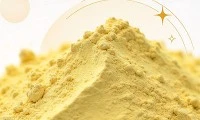
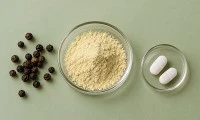
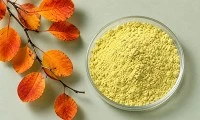
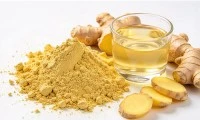
Fresh ginger, dried ginger powder, and ginger extracts bring different characteristics to baked goods. For bakeries and food manufacturers, the choice depends on the flavor, texture, and processing requirements of the finished product.Soluble ginger extract standardized to 1% gingerol is an option to evaluate when a formula needs an ingredient that mixes into the water-based phase. Its suitability still needs to be tested in the actual recipe, particularly where baking temperature, flavor retention, and dough performance matter.
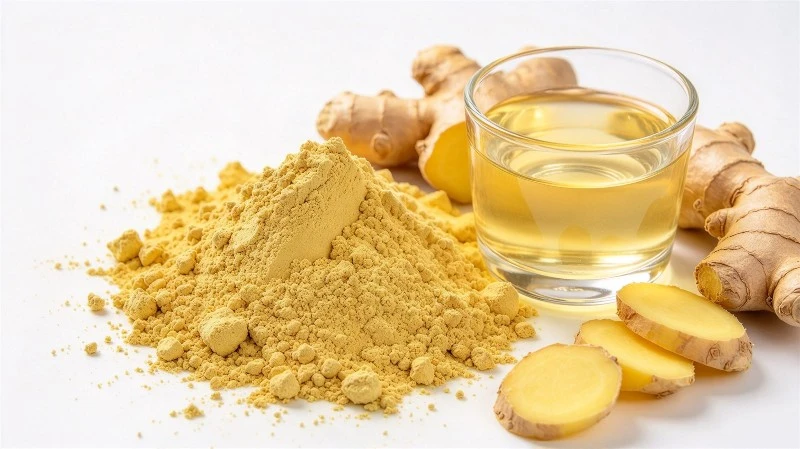
What Is Soluble Ginger Extract 1% Gingerol Powder?
Soluble ginger extract is a processed ginger ingredient formulated for water solubility. The 1% specification refers to its standardized gingerol content; it does not describe the ingredient's entire composition or provide a direct measure of flavor strength.Before using it, check the product specification for the carrier system, recommended mixing conditions, and any additional ingredients. These details affect how the powder behaves in a recipe and how it should be declared on the finished-product label.
How It Differs from Fresh and Dried Ginger
Fresh ginger contributes moisture, plant fibers, and a distinctive fresh flavor. Dried ginger powder contributes ground plant material and a different flavor profile. A soluble extract offers another way to introduce ginger into a formulation, especially when visible particles are undesirable.The three forms should not be substituted by volume without testing. Gingerol content alone cannot establish an equivalent amount of fresh ginger, dried ginger, or extract because aroma, pungency, moisture, and bulk density also differ.
Mixing Ginger Extract into Batters and Doughs
1. Add It to the Liquid Phase
A practical starting point is to dissolve the powder in a measured portion of the recipe's water before combining it with the other ingredients. Check that it has mixed fully and assess whether the solution remains uniform.For recipes using milk or other complex liquids, test compatibility under the intended mixing conditions. Solubility in water does not automatically establish identical performance in every liquid ingredient.Pre-mixing can help distribute the extract through a batter. In lower-moisture doughs, the available water and mixing sequence need particular attention.
2. Measure by Weight
For repeatable trials, weigh the extract rather than measure it by teaspoon. Record its amount as a percentage of the total recipe or another clearly defined formulation basis.There is no universal inclusion level for a loaf, a batch of cookies, or gingerbread. Begin with the supplier's application guidance, then compare several trial levels against the desired flavor and finished-product requirements.Avoid assuming that ¼ teaspoon of extract replaces a tablespoon of grated ginger. A reliable substitution ratio needs to be established in the specific recipe.
Flavor and Texture in Baked Goods
1. Check Flavor After Baking
Assess ginger flavor in the finished product, rather than relying only on the taste of the batter. Baking and the surrounding ingredients can change the balance of aroma, sweetness, and pungency.A lemon ginger loaf, for example, needs enough ginger character to remain noticeable alongside citrus, butter, and sugar. Gingerbread may require a different balance because cinnamon, nutmeg, molasses, and other ingredients also contribute strong flavors.Compare samples after cooling and again during storage. Record flavor intensity, bitterness, aftertaste, and overall balance.
2. Evaluate Crumb and Dough Performance
A soluble extract may be useful when a recipe calls for a smooth texture, but finished-product performance still depends on the complete formulation.
Check batter viscosity, dough handling, spread, rise, crumb structure, and moisture perception. The extract's carrier system and inclusion level may also influence results.Solubility alone does not guarantee softer scones, chewier cookies, or a more tender cake. Those outcomes need to be demonstrated through recipe trials.
Heat Stability During Baking
1. Water Solubility Does Not Establish Heat Stability
The original draft describes the powder as coated for protection and reports 70% gingerol retention after baking. Those claims require product-specific formulation details and analytical results before they can be used.A soluble ingredient should not automatically be described as heat-protected. Ask the supplier whether stability data are available for the selected grade and whether the test conditions are relevant to your process.
2. Test Under Actual Production Conditions
Oven temperature, baking time, product size, moisture, and the food matrix all matter when evaluating an ingredient.For a meaningful comparison, prepare a control and trial batches under the same conditions. Assess flavor and physical quality after baking. If retained gingerol content is part of the product specification or a proposed claim, arrange suitable testing of the finished product.Sensory results and analytical results answer different questions. A product can retain a noticeable ginger flavor without demonstrating a particular gingerol retention percentage.
Baking Applications to Evaluate
1. Cakes, Loaves and Muffins
These products provide a liquid phase in which the extract can be pre-mixed. Lemon loaves, carrot muffins, and spiced cakes are possible trial applications.Check flavor distribution, batter behavior, rise, and crumb quality. Compare the extract with the ginger ingredient already used in the recipe to determine whether the change offers a practical benefit.
2. Cookies, Gingerbread and Scones
Lower-moisture products require more attention to incorporation. Use the available recipe liquid where appropriate, and confirm that the extract distributes evenly without changing dough handling.Evaluate the finished flavor alongside the other spices. The required amount may differ considerably between a lightly flavored cookie and a strongly spiced gingerbread.
3. Glazes, Frostings and Fillings
A soluble extract can also be evaluated in applications where a smooth finish is preferred. Performance will depend on the available water, fat content, mixing conditions, and storage requirements.It will not reproduce grated ginger pieces or the full sensory character of fresh ginger. Where those characteristics are central to the recipe, fresh ginger may remain the more suitable choice.
Combining Ginger with Other Ingredients
1. Citrus and Spice Blends
Ginger can be tested alongside lemon, cinnamon, nutmeg, turmeric, and other flavor ingredients. Adjust the balance through finished-product tasting rather than assuming an existing spice ratio will remain suitable.When using turmeric or another strongly colored ingredient, assess appearance as well as flavor. Even distribution of one soluble ingredient does not guarantee that every component of a blend will disperse equally.
2. Fortified Bakery Products and Snack Bars
For fortified products, each additional ingredient needs its own application review. Confirm the grade, composition, processing behavior, and suitability for the intended market.Ingredients such as lutein or specialized nutritional powders should not be added solely because they appear compatible in a recipe description. Their use requires a defined formulation purpose and appropriate technical support.
Ingredient Composition, Labeling and Storage
1. Review the Full Specification
"Made from ginger" does not establish that an extract contains no carriers, additives, or processing aids. Request the complete composition and relevant declarations before making claims such as "no preservatives" or "no artificial flavors."The finished-product ingredient declaration should reflect the supplied material and the requirements of the destination market.
2. Confirm Shelf Life and Handling Conditions
Use the shelf life, packaging, and storage instructions stated in the supplier's documentation. A two-year shelf life should only be published if it applies to the specific ingredient.During production, keep the material protected from moisture and follow the handling instructions after opening. Include the extract in the bakery product's own shelf-life assessment; raw-material stability does not establish finished-product stability.
How to Run a Bakery Trial
A small, controlled trial can answer the main formulation questions before a larger production run.
- Confirm the ingredient. Review gingerol content, full composition, solubility instructions, and available quality documentation.
- Prepare a control. Use the current recipe and ginger ingredient as the comparison.
- Test several weighed inclusion levels. Keep the rest of the recipe and processing conditions consistent.
- Record mixing and baking performance. Note dissolution, batter or dough behavior, spread, rise, and texture.
- Evaluate after cooling and during storage. Compare flavor, appearance, and physical quality.
- Arrange analytical testing where needed. Verify retained gingerol content if it forms part of the finished-product specification.
Soluble Ginger Extract Supply for Bakery Formulations
Botanical Cube supplies water-soluble ginger extract standardized to 1% gingerol for ingredient distributors, food manufacturers, and product development teams. Buyers can request specifications, samples, and available quality documentation to evaluate the material in their own recipes.
For bulk supply or OEM inquiries, email sales@botanicalcube.com with your intended product, estimated quantity, destination country, and processing requirements. If you have an existing formula or purchasing specification, include it so our team can discuss suitable supply and packaging options.