


At Botanical Cube, we receive questions about piperine from supplement brands and ingredient buyers developing digestive health products. Some ask about microbiome research, while others want to understand how a high-purity powder differs from a lower-assay black pepper extract.Our starting point is to separate the research from the purchasing specification. Experimental findings can help guide development, but they do not automatically establish benefits for a finished supplement.For buyers, both questions matter: what does the evidence show, and which ingredient specification suits the proposed product?

What Is Pure Piperine Powder?
1. Understanding the Assay
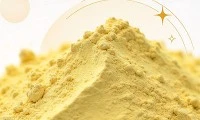
When we discuss a high-purity piperine powder, we mean a material with a defined piperine assay, such as 95% or 98%. The numerical specification is more useful than the word "pure," which should not be interpreted as an absolute guarantee of 100% piperine.We recommend checking the product specification and batch Certificate of Analysis together. Buyers should confirm the analytical method, acceptance limits, composition and reporting basis before comparing quotations.
A higher assay can reduce the amount of powder needed to reach a specified piperine content. It does not independently establish better tolerability, absorption or clinical performance.
2. Comparing Available Grades
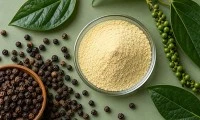
We supply black pepper extract in 10%, 50%, 95% and 98% piperine specifications, alongside a separate 4% water-soluble grade.These materials serve different formulation requirements. We discuss the required piperine content, dosage form and processing conditions before recommending a grade for sample evaluation.
What Does Gut Health Research Show?
1. Inflammation-Related Research
Piperine has been investigated in experimental models of intestinal inflammation. A study using cells and a chemically induced mouse colitis model examined its relationship with pregnane X receptor signaling and reported protective effects under the study conditions. These findings provide a research direction; they do not demonstrate treatment benefits for people with digestive symptoms.
When we review this type of evidence with a formulation team, we consider the model, tested material, exposure and measured outcomes. A result from an animal disease model cannot establish that a commercial supplement will relieve bloating or IBS symptoms.
2. Microbiome Research
A 2025 mouse study investigated piperine in DSS-induced colitis and reported changes in intestinal microbiota alongside improvements in inflammation and barrier-related measurements. The work was conducted in mice under experimental conditions. It does not establish the same microbiome response in healthy adults. For product development, we would therefore avoid promising that piperine increases particular beneficial bacteria in consumers without relevant human evidence.
3. Intestinal Barrier Research
Another mouse study examined piperine in TNBS-induced colitis and reported effects involving inflammatory signaling and tight-junction proteins. This supports further investigation of intestinal barrier mechanisms, while remaining preclinical evidence. We would not translate these findings into a claim that piperine "repairs leaky gut." A finished-product claim needs evidence appropriate to the intended population, formulation and market.
Bioavailability and Gut Health Are Different Questions
1. Absorption Research Needs Its Own Interpretation
Buyers sometimes assume that an ingredient associated with altered absorption must also improve digestive health. We assess those questions separately.A laboratory study found that piperine inhibited human P-glycoprotein transport and CYP3A4 activity in the tested systems. These proteins are involved in drug transport and metabolism, so the findings also raise interaction considerations. They do not establish a general digestive benefit.
We avoid applying a single absorption percentage to every ingredient combination. Any proposed absorption claim should be supported by research on the relevant materials and conditions.
2. Safety Review Belongs in Formula Development
We recommend that development teams assess piperine within the complete formula, including the intended serving, target population and potential medication use.Consumers taking medication should discuss concentrated piperine supplements with a qualified healthcare professional. For OEM projects, we keep ingredient selection, safety assessment and proposed product claims connected throughout development.
Choosing a Piperine Grade for Your Formula
1. High-Assay Powder for Concentrated Formulations
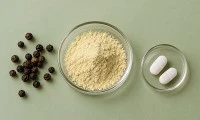
For capsules and tablets, 95% or 98% piperine may be considered when ingredient loading is a priority.We recommend checking blending performance, flow, content uniformity and the complete formula's manufacturing requirements. A satisfactory assay result is one part of qualification; handling and production trials remain necessary.
2. Water-Soluble Piperine for Aqueous Systems
For water-based applications, we offer a separate 4% water-soluble piperine grade for evaluation.We recommend testing samples at the intended concentration and recording water temperature, mixing time, pH, clarity and sediment. Performance in plain water should also be checked in the complete beverage or drink-mix formula.Water solubility is a formulation characteristic. It should not be treated as proof of superior clinical effectiveness.
3. Compare Active Content Consistently
We calculate ingredient loading from the specified piperine content rather than comparing powder weights alone.For example, 100 mg of a nominal 10% material contains 10 mg of piperine, while 100 mg of a nominal 95% material contains 95 mg. These are composition calculations, not serving recommendations.Lower-assay grades should not automatically be described as inferior. Their suitability depends on the formula and purchasing requirements.
Can Piperine Be Combined With Other Ingredients?
We support discussions about multi-ingredient formulations, but each component should have a defined purpose.Adding luteolin, vitamin D3, L-carnitine or another ingredient does not by itself demonstrate greater digestive benefits. Research on individual ingredients cannot establish the performance of their combination.Before proceeding, we recommend reviewing compatibility, stability, ingredient quantities, analytical requirements and the evidence supporting the proposed claims.For OEM inquiries, a clear product brief helps us discuss practical options: dosage form, proposed ingredients, target market, packaging and expected order quantity.
What to Check Before Buying Bulk Piperine Powder
1. Specification and Batch COA
We recommend confirming:
- Botanical identity and piperine assay.
- Test method and acceptance limits.
- Full composition, including carriers where applicable.
- Moisture and relevant physical characteristics.
- Storage conditions and shelf life.
The batch COA should identify the supplied lot and show results against the agreed specification.
2. Supporting Quality Reports
Buyers can discuss available HPLC documentation and testing for heavy metals, microbiological quality, pesticide residues and ETO-related requirements.We recommend agreeing on the required tests and limits before ordering. Supporting reports should apply to the selected material and, where required, the shipment batch.
3. Samples and Commercial Terms
We encourage sample evaluation before commercial purchasing. Analytical review and manufacturing trials help buyers assess the ingredient against their actual requirements.For repeat supply, confirm packaging, quantity, lead time and documentation in advance. This gives procurement, quality and production teams a consistent basis for reviewing subsequent orders.

Bulk Piperine Powder and OEM Support From Botanical Cube
We supply black pepper extract in 10%, 50%, 95% and 98% piperine, plus 4% water-soluble piperine, to ingredient distributors, supplement brands and contract manufacturers.For a relevant quotation, share your required specification, intended application, estimated quantity and destination country. We can discuss samples, COA, available supporting reports and supply requirements.We also support OEM and private-label inquiries. Include your preferred dosage form, proposed formula, packaging requirements and target schedule so we can review suitable customization options.
Email sales@botanicalcube.com to request specifications, samples, bulk pricing or OEM information. We supply business customers only.
References
[1] The protective effect of piperine on dextran sulfate sodium induced inflammatory bowel disease and its relation with pregnane X receptor activation. PMID: 25907981.
[2] Hu, Y., et al. (2025). Piperine Improves DSS-Induced Colitis in Mice via Inhibition of Inflammation and Modulation of Gut Microbiota. DOI: 10.1002/ptr.8491.
[3] Guo, G., et al. (2020). Piperine, a functional food alkaloid, exhibits inhibitory potential against TNBS-induced colitis…in experimental mice. DOI: 10.1177/0960327119892042.
[4] Piperine, a major constituent of black pepper, inhibits human P-glycoprotein and CYP3A4. PMID: 12130727.