




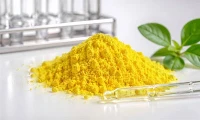
Hello everyone, today we're talking about something that's becoming increasingly important in modern life: blood sugar management. With fast-paced lifestyles, convenient but often unhealthy food options, and rising stress levels, maintaining healthy blood sugar isn't just for diabetics anymore. It's a key component to overall health, preventing a host of health issues from heart disease to nerve damage.Many of us are always looking for natural ways to maintain our health, and when it comes to blood sugar, two powerful plant-based ingredients are often mentioned: berberine and mulberries. You may have heard of them, but how are they different? Let's take a deep dive and see which might be better for your needs.

What is berberine?
Let's start with berberine. This amazing compound isn't new; it has a long history in traditional Chinese and Ayurvedic medicine, and has been used for centuries to treat a variety of ailments. You can find berberine naturally in a variety of plants, such as goldenseal, Oregon grape, barberry, and of course, Coptis chinensis (Chinese Coptis chinensis), which is a common source of many supplements.So how does berberine work its magic on blood sugar? It's pretty fascinating. Berberine doesn't just target one pathway; it works in multiple ways to help your body manage blood sugar:
1. Insulin sensitivity: Insulin is like a key that opens cells, allowing glucose to enter them for energy. When your body becomes less sensitive to insulin (called insulin resistance), glucose has trouble entering cells, causing blood sugar to rise. Berberine helps make cells more responsive to insulin, allowing glucose to enter cells more efficiently.
2. Reduces liver glucose production: Your liver produces glucose, especially when you're fasting or experiencing low blood sugar. Berberine helps reduce liver glucose production, preventing excess sugar from being released into your bloodstream.
3. Improves gut flora: Gut health is closely linked to overall health, including blood sugar. Berberine has been shown to positively impact the composition of your gut flora, promoting a healthier balance, which indirectly impacts glucose metabolism.
4. Boosts glucose absorption and utilization: In addition to insulin sensitivity, berberine helps your body absorb and use glucose more efficiently at the cellular level. It activates an enzyme called AMPK (AMP-activated protein kinase), which is often referred to as the "metabolic master switch" because of its key role in energy regulation. This activation helps improve how cells absorb and use glucose. [1]
Beyond blood sugar, berberine has other potential benefits. Research shows that it has a positive effect on cholesterol levels, helping to lower "bad" LDL cholesterol and triglycerides. Some studies also suggest that it can play a role in weight management by affecting fat metabolism and energy expenditure.Who might consider taking berberine? If you're looking for overall metabolic health support, especially if you're dealing with issues like insulin resistance, or want to maintain healthy blood sugar and lipid levels, berberine may be a good choice. Keep in mind that this is not medical advice, and you should consult your doctor before starting any new supplement.
Mulberry: Nature's Sweetness Regulator
Now, let's shift our focus to Mulberry, specifically the leaves of the mulberry tree. While the fruits are delicious, it's the leaves that have garnered significant attention in the health world, particularly for their role in blood sugar management. Mulberry leaves have been a staple in traditional Asian medicine for centuries, often brewed as a tea for various health benefits.
So, what makes Mulberry leaves so effective for blood sugar? Their primary mechanism is quite different from berberine's:
1. Inhibiting Carbohydrate Absorption (The Power of DNJ): Mulberry leaves are rich in a unique compound called 1-deoxynojirimycin (DNJ). DNJ acts as an alpha-glucosidase inhibitor. What does that mean? Basically, it blocks certain enzymes in your gut that are responsible for breaking down complex carbohydrates into simple sugars (like glucose) that can be absorbed into your bloodstream. By doing this, DNJ slows down the absorption of sugars from your digestive tract.
2. Reducing Post-Meal Blood Sugar Spikes: Because DNJ interferes with carbohydrate digestion, it effectively minimizes the sharp rise in blood sugar levels that often occurs after a carbohydrate-rich meal. This is a key benefit, especially for those looking to flatten their blood sugar curve. A study showed that individuals taking mulberry extract before a meal had significantly lower post-meal glucose and insulin responses compared to a placebo group. [2]
3. Potential Antioxidant and Anti-inflammatory Properties: Beyond its direct blood sugar effects, mulberry leaves also contain various antioxidants and anti-inflammatory compounds, which can contribute to overall health and help protect against cellular damage often associated with metabolic imbalances.
Mulberry also offers other potential perks, including support for cardiovascular health due to its antioxidant content.Who might consider Mulberry? If your primary concern is managing those post-meal blood sugar spikes, especially if you often consume carbohydrate-heavy meals, mulberry could be a great choice. It's generally considered very gentle and well-tolerated. Again, it's always best to consult your healthcare provider first.
Berberine vs. Mulberry: A Deep Dive into the Comparison
Now that we understand each contender, let's put them head-to-head.
1. Mechanism of Action: Different Approaches, Similar Goals
Berberine: Think of berberine as working inside your cells and influencing your body's overall metabolism. It's like an orchestra conductor, fine-tuning various metabolic processes from insulin sensitivity to liver function. Its effects are more systemic and comprehensive.
Mulberry: Mulberry, particularly its DNJ component, works more in your digestive tract. It's like a gatekeeper, slowing down the entry of sugar from your food into your bloodstream. Its primary focus is on what happens immediately after you eat.
2. Blood Sugar Effects: Where Each Shines
Berberine: Given its broad actions, berberine is often seen as more beneficial for long-term, comprehensive blood sugar management. It can help improve your body's baseline glucose control and address underlying issues like insulin resistance. Some studies suggest berberine can be as effective as certain prescription medications in lowering blood sugar levels, with one meta-analysis noting significant reductions in fasting blood glucose (FBG) and HbA1c (a long-term marker of blood sugar control) [3].
Mulberry: Mulberry truly excels in controlling post-meal blood sugar surges. If you find your blood sugar spiking after eating, mulberry can be incredibly helpful in blunting that response. This makes it an excellent choice for targeted support around meal times. Clinical trials have demonstrated that mulberry leaf extract can reduce postprandial glucose levels by 18-35% in healthy and pre-diabetic individuals after a carbohydrate challenge. [4]
3. Who Benefits More? Tailoring to Your Needs
Berberine: If you're dealing with more systemic metabolic issues, such as insulin resistance, metabolic syndrome, or generally elevated fasting blood sugar levels, berberine might be the more potent option for you.
Mulberry: If your main challenge is keeping your blood sugar steady after meals, especially if you have a diet rich in carbohydrates, then mulberry is an excellent choice for its targeted action.
4. Potential Side Effects and Considerations
Berberine: While generally safe, some individuals might experience digestive upset, such as nausea, diarrhea, or constipation, especially at higher doses. It's also important to be aware that berberine can interact with certain medications, including those for diabetes, blood thinners, and cholesterol, as it can affect liver enzymes.
Mulberry: Mulberry is usually very well tolerated and considered quite gentle. Side effects are rare but could include mild digestive discomfort in sensitive individuals. As with any supplement, pay attention to how your body responds.
How to choose the right natural blood sugar support product for you?
1. Assess your situation: What is your main blood sugar problem? Is it high fasting blood sugar, post-meal blood sugar spikes, or both?
2. Consider your lifestyle: What is your eating pattern? How active are you?
3. Identify your health goals: Are you aiming to improve your overall metabolism, or to control specific meal times?
Most importantly, always consult a healthcare professional, such as your doctor or a registered dietitian, before starting any new supplement regimen. They can help you understand whether berberine or mulberries (or both!) are right for your specific health condition and can advise on appropriate dosage and potential interactions with any medications you're taking. Remember, these supplements are meant to support a healthy lifestyle, not replace it. A balanced diet, regular exercise, and stress management remain the cornerstones of effective blood sugar control.
Berberine HCl and Mulberry Extracts – Our Natural Solutions
Your top choice for comprehensive metabolic support: Our berberine HCl powder is highly pure and highly absorbed. We specifically offer the hydrochloride (HCL) form because it is more bioavailable than other forms of berberine, meaning your body can use it more effectively. We adhere to strict quality control standards to ensure that every batch of our products is tested for purity, potency, and safety.
1. Product Benefits: Highly pure, easily absorbed HCl form, rigorous quality control, and third-party testing.
2. Ideal Use: As a daily supplement to support overall metabolic health, improve insulin sensitivity, and help maintain healthy blood sugar and lipid levels.
3. Suggested Use: Typically 500 mg to 1500 mg daily, divided into 2-3 doses, taken with meals to minimize potential digestive discomfort. Always consult a healthcare professional for personalized dosing recommendations.
Mulberry Extract Powder for Post-Meal Blood Sugar Support
Our Mulberry Extract Powder is a standardized extract that ensures consistent and effective concentrations of the key active compound, DNJ. We pride ourselves on providing natural, additive-free products with traceable origins, so you know exactly where your supplements are coming from.
Product Benefits: Standardized DNJ content, natural, additive-free, sustainably sourced.
1. Ideal Use: Take before a carbohydrate-rich meal to help reduce post-meal blood sugar spikes and support healthy weight management.
2. Recommended Use: Typically 200 mg to 600 mg per meal, 15-30 minutes before meals. Always consult a healthcare professional for personalized dosing recommendations.
Why Choose Us?
Choosing Botanical Cube Inc. means choosing reliability, quality, and transparency. We are committed to providing you with high-quality botanical ingredients you can trust. Our dedicated customer service team will support you every step of the way, ensuring you get the information you need to make smart health decisions.
Harness the power of nature for a healthier you
Both berberine and mulberry are remarkable natural compounds that offer significant benefits for blood sugar management. Berberine offers a broader, more systemic approach to metabolic health, while mulberry provides targeted support for post-meal blood sugar surges. Understanding their unique mechanisms of action can help you make informed choices that best meet your personal needs and health goals.
We encourage you to take an active role in your health journey. Explore these natural remedies, but always consult with your healthcare provider. Combining the power of nature with a healthy lifestyle will allow you to live a vibrant, high-quality life.Ready to explore how our berberine HCl powder or mulberry extract powder can help you achieve your health goals? Contact us today to learn more about our products or to discuss a solution tailored to your needs!For more product information or a custom solution, please contact us at sales@botanicalcube.com.
References
[1] Hardie, D. G. (2013). AMPK: A master regulator of energy homeostasis. Journal of Endocrinology, 218(3), R19-R36.
[2] Lown, M., et al. (2017). Mulberry leaf extract reduces the postprandial glucose and insulin response to a high carbohydrate meal in healthy individuals. Nutrition & Metabolism, 14(1), 58.
[3] Dong, H., et al. (2012). Berberine in the Treatment of Type 2 Diabetes Mellitus: A Systemic Review and Meta-Analysis. Evidence-Based Complementary and Alternative Medicine, 2012, 591605.
[4] Kim, S. Y., et al. (2015). The anti-diabetic activity of mulberry leaf extract in normal and type 2 diabetic mice. Archives of Pharmacal Research, 38(11), 2056-2065.