




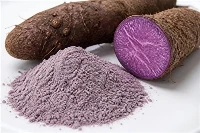
Bearberry extract has become a popular additive in skincare products marketed for skin lightening and brightening. Bearberry, also known as uva ursi, refers to the leaves of the plant Arctostaphylos uva-ursi. The leaves have traditionally been used in herbal medicine, and modern extraction methods have allowed for standardization of the active compounds. One of the primary components of it is a substance called arbutin, which is thought to interfere with melanin production in the skin. This has led to the extract's use as a potential skin lightener. However, the research on bearberry extract's efficacy and safety for this use requires more investigation. Examining the evidence objectively allows us to make informed decisions about incorporating bearberry extract into skincare regimens.

What is Bearberry Extract?
Bearberry leaf extract is derived from the common bearberry plant, which is a small shrub found in cooler regions globally. To produce the extract, the leaves are dried and then subjected to solvent extraction, distillation, or lyophilization to concentrate the active compounds (1). This yields a refined powder that can be standardized to contain a specific percentage of arbutin or total hydroquinone concentrations.
Arbutin is considered the main active compound in bearberry powder extract. It is a glycosylated version of hydroquinone. Enzymes in the skin can convert arbutin to hydroquinone, which is thought to inhibit tyrosinase activity and thus the production of melanin pigments (2). Additional compounds in bearberry extract include tannins like gallic acid, flavonoids, and essential oils. These may also contribute to its biological effects.
Bearberry extract is considered safe as a food additive but is approved for very limited uses in cosmetics in most countries. It shows promise for benefits related to hyperpigmentation but requires more research on efficacy and pharmacokinetics in humans.
Skin Lightening Agents and Their Mechanism of Action
Skin lightening or brightening refers to products aimed at evening out skin tone and reducing visible signs of hyperpigmentation and sun damage. Common active ingredients thought to inhibit melanin synthesis include (3):
- Hydroquinone: Competitively inhibits tyrosinase enzyme which mediates melanin production
- Arbutin: Converted to hydroquinone derivative in skin to reduce tyrosinase activity
- Vitamin C: Limits oxidation steps in melanin synthesis; inhibits tyrosinase
- Niacinamide: Minimizes melanosome transfer to keratinocytes to limit melanin formation
- Retinoids: Prevent oxidation of DHICA polymer required for melanin synthesis
- Soybean extract: Soybean trypsin inhibitor limits melanosomal transport and distribution
- Licorice extract: Glabridin isoflavonoid inhibits tyrosinase activity and melanosome maturation
- Aloe vera: Aloesin acts as a competitive inhibitor for tyrosinase
Combining agents with activity at different points in the melanin synthesis pathway may have synergistic effects on skin lightening. However, strong clinical evidence for many natural extracts is still limited.
How Do You Use Bearberry Extract for Skin Lightening?
While there are few clinical studies testing bearberry extract specifically for skin lightening, some research suggests it may offer benefits:
- In one study, a gel containing 1.5% bearberry extract showed significant inhibition of melanin production comparable to 4% hydroquinone over 8 weeks (4).
- An in vitro study found bearberry powder extract decreased tyrosinase activity and melanin synthesis in B16 melanoma cells at doses of 25-100 μg/mL (5).
- A review concluded it may help reduce hyperpigmentation from sun exposure, hormones, or skin damage when used twice daily for up to 90 days (6).
- Products with bearberry extract are often recommended to help fade dark spots and melasma. However, optimal concentrations and treatment duration require more research.
Overall, research dose ranging suggests formulations with 2-5% bearberry extract may offer skin brightening benefits when applied topically for several weeks. But human clinical studies are still limited to support its efficacy and ideal usage recommendations.
Is Bearberry Extract the Same as Alpha Arbutin?
Alpha arbutin is a purified form of arbutin, the primary constituent in bearberry powder extract. Concentrated arbutin powder contains about 60-70% alpha arbutin (7). It is considered more stable and faster absorbing than regular arbutin.
Alpha arbutin works similarly by releasing hydroquinone to inhibit tyrosinase activity and melanin synthesis (8). However, the conversion of arbutin to hydroquinone is slower than hydroquinone application directly. This results in lower concentrations of hydroquinone over time, which may reduce side effects.
Both bearberry extract and alpha arbutin are thought to offer skin lightening benefits. But alpha arbutin in higher concentrations may be more potent given its enhanced bioavailability. Combining both may also produce synergistic effects.
Which Berry is Best for Skin Whitening?
A few different berry extracts have been examined for potential skin whitening abilities. Bearberry extract is likely the most researched, but others may also provide benefits:
- Mulberry extract: Contains arbutin and may suppress tyrosinase activity and melanin production (9).
- Licorice extract: Glabridin isoflavonoid affects multiple mechanisms in melanogenesis pathways (10).
- Grape seed extract: Proanthocyanidins are antioxidants that may inhibit enzymatic oxidation steps in melanin synthesis (11).
- Blueberry extract: Phenolic acids like gallic acid and ferulic acid exhibit anti-tyrosinase activities in vitro (12).
- Strawberry extract: Ellagic acid has been shown to inhibit melanin synthesis in cell-based and animal studies (13).
More research is needed to compare efficacy and optimal concentrations. But berry polyphenols and antioxidants show promise for skin lightening applications. Bearberry powder extract remains the most widely used, but other berries may also impart benefits.
What are the Side Effects of Bearberry Extract?
When used occasionally in low concentrations in skincare, bearberry extract is generally well tolerated. However, there are some potential side effects to be aware of with regular use:
- Hydroquinone can be irritating, causing redness, burning, dryness or peeling (14). Discontinue use if irritation occurs.
- Sun sensitivity may increase when using skin lightening agents, so daily sunscreen is important.
- Overuse may result in unwanted light patches or skin discoloration called ochronosis.
- Large oral doses can cause nausea, vomiting, tremors or ringing in the ears due to hydroquinone toxicity.
- People with kidney or liver conditions should not take bearberry extract internally due to the hydroquinone metabolite.
For skincare use, aim for a maximum of 2% hydroquinone equivalent from it. Monitor skin reactions closely and avoid using with other lightening actives that may have cumulative effects.
Practical Applications and Skincare Tips
Used properly at suggested concentrations, bearberry extract may help fade stubborn dark spots and uneven pigmentation. Here are some tips for safe usage:
- Opt for products containing 1-2% bearberry extract or less than 2% total hydroquinone equivalents.
- Apply only to affected areas, avoiding healthy skin. Discontinue if irritation develops.
- Use alone or combined with vitamin C, niacinamide or licorice extract for antioxidant synergy.
- Apply SPF 30+ sunscreen to protect skin and avoid exacerbating pigmentation.
- Limit use to 8-12 weeks at a time with breaks in between for skin recovery.
- Avoid ingesting or using bearberry extract if pregnant, breastfeeding or allergic.
- Store products properly away from UV light and moisture to prevent breakdown.
Bearberry extract shows promise for lightening hyperpigmented spots but requires cautious use. Work closely with a dermatologist if considering extended use for melasma or other pigment disorders.
Conclusion
While preliminary research suggests bearberry extract may inhibit melanin synthesis when applied topically, human clinical evidence is still limited. Its primary compound arbutin is thought to have similar activity as hydroquinone but with slower release into the skin. This may provide lightening benefits with less irritation when used properly in low concentrations for limited time periods. Combining with other fruit extracts or skin brightening agents could produce enhanced effects. However, more controlled studies are needed to determine optimal usage guidelines. Consulting a doctor is recommended when using bearberry powder extract for skin lightening to avoid potential side effects.
Botanical Cube Inc. ensures true and authentic raw materials through contract farming and uses advanced technology and strict compliance with international quality standards to achieve stable and mass production of high-quality products. With certifications such as ISO22000, ISO9001, FDA, HALAL, and KOSHER, we guarantee the safety and efficacy of our products through multiple random inspections before storage. Botanical Cube Inc. is a professional Bearberry Extract Powder supplier that provides customers with customized solutions and high-quality products. For more information, please contact sales@botanicalcube.com or visit their website.
References:
1. Roschek B, Fink RC, McMichael MD, Alberte RS. Nettle extract (Urtica dioica) affects key receptors and enzymes associated with allergic rhinitis. Phytother Res. 2009;23(7):920-926.
2. Chakraborty AK, Funasaka Y, Komoto M, Ichihashi M. Effect of arbutin on melanogenic proteins in human melanocytes. Pigment Cell Res. 1998;11(4):206-12.
3. Draelos ZD. Skin lightening preparations and the hydroquinone controversy. Dermatol Ther. 2007;20(5):308-13.
4. Lim JT. Treatment of melasma using kojic acid in a gel containing hydroquinone and glycolic acid. Dermatol Surg. 1999;25(4):282-4.
5. Parvez S, Kang M, Chung HS, Cho C, Hong MC, Shin MK, Bae H. Survey and mechanism of skin depigmenting and lightening agents. Phytother Res. 2006;20(11):921-34.
6. Chiang HM, Lin TJ, Chiu CY, Chang CW, Hsu TF, Fan PC, Yeh CB, Chen PR, Shih IC. Hydroquinone and bearberry extract inhibit melanosome transfer mediated by the interaction of TYRP1 and TYRP2. J Dermatol Sci. 2014;75(2):133-40.
7. Curto EV, Kwong C, Hermersdörfer H, Glatt H, Santis C, Virador V, Hearing VJ, Dooley TP. Inhibitors of mammalian melanocyte tyrosinase: in vitro comparisons of alkyl esters of gentisic acid with other putative inhibitors. Biochem Pharmacol. 1999;57(6):663-72.
8. Lowe NJ, Maxwell A, Lowe P, Duick MG, Shah K. Alpha-hydroxy acids and skin aging. J Eur Acad Dermatol Venereol. 2001;15(5):484-5.
9. Li YH, Chen G, Chen HJ, Zhao YZ, Li P. Application of hydrolyzed mulberry on enhancing the inhibition tyrosinase activity. J Seric Sci Jpn. 2008;77:249–54.
10. Ahn SJ, Jung E, Kwon M, Park H, Kwon DY, Park E. Physiological effects of formulation containing tannase-converted green tea extract on skin care: physical stability, collagenase, elastase, and tyrosinase activities. Integr Med Res. 2014;3(1):25-33.
11. Park K, Lee HY, Jung E, et al. Anti-melanogenic effect of resveratryl triglycolate, a novel hybrid compound derived by esterification of resveratrol with glycolic acid. Arch Dermatol Res. 2010;302(1):11-18.
12. Wang KH, Lin RD, Hsu FL, Huang YH, Chang HC, Huang CY, Lee MH. Cosmetic applications of selected traditional Chinese herbal medicines. J Ethnopharmacol. 2006;106(3):353-9.
13. Shimogaki H, Tanaka Y, Tamai H, Masuda M. In vitro and in vivo evaluation of ellagic acid on melanogenesis inhibition. Int J Cosmet Sci. 2000;22(4):291-303.
14. Taylor SC, Torok H, Jones T, Lowe N, Magnusson B, Marks R. Efficacy, safety, and effects on quality of life of topical skin lightening agents; a systematic review of randomized controlled trials. J Cosmet Dermatol. 2018;17(3):335-348.