




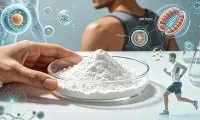
Bearberry extract has become an increasingly popular ingredient in skin lightening and brightening products in recent years. Derived from the leaves of the bearberry shrub, also known as uva ursi, this natural extract contains compounds like arbutin and hydroquinone that are said to inhibit melanin production and gradually lighten skin over time. But how well does bearberry extract really work for skin lightening? In this article, we'll explore the claims, research, and potential effectiveness of bearberry extract as a natural alternative to other skin lightening ingredients.

Understanding Bearberry Extract
Bearberry, or Arctostaphylos uva-ursi, is a trailing shrub native to Europe and certain regions of North America. Traditionally used in herbal medicine for treating issues like urinary tract infections, the leaves of the bearberry contain hydroquinone glycosides like arbutin, which can be extracted and purified into skincare products. Through conversion processes in the skin, arbutin is thought to be released as hydroquinone, which interferes with melanin synthesis and leads to skin lightening effects. Bearberry extract has also been valued in traditional practices for its antioxidant, astringent, and toning properties.
When properly extracted and processed, the key components of bearberry extract that contribute to its potential skin lightening effects are arbutin and hydroquinone. It also contains tannins like gallic acid and ellagic acid, as well as antioxidants. The combination of these active compounds is what leads to the proposed effects on evening out skin tone.
Arbutin is considered the primary active compound in bearberry extract for skin lightening. It is a naturally occurring glycosylated hydroquinone that can inhibit tyrosinase, the key enzyme involved in melanin synthesis. By inhibiting tyrosinase, arbutin can prevent the oxidation of tyrosine into melanin pigments within melanocytes. This tyrosinase-inhibiting property is thought to be the main mechanism by which bearberry powder can interfere with melanogenesis and reduce pigment formation.
Hydroquinone is the other major compound in bearberry extract that contributes to its potential skin lightening effects. Hydroquinone is a depigmenting agent that interferes with the melanin production pathway at multiple points. In addition to inhibiting tyrosinase like arbutin, hydroquinone also damages existing melanosomes and promotes degradative melanin turnover. When the glycosidic bonds in arbutin are broken down in the skin, the hydroquinone that is released can provide additional melanin-inhibiting effects.
However, while arbutin and hydroquinone appear promising as skin lighteners in theory, there are concerns around their stability, skin penetration and bioavailability from topical bearberry preparations. Optimizing the extraction and formulation processes is important for maximizing the delivery and efficacy of these actives when applied to the skin.
Claims and Benefits of Bearberry Extract for Skin Lightening
Bearberry extract is commonly touted by cosmetic manufacturers as a natural alternative to other controversial skin lightening agents like hydroquinone. It's claimed to work gradually over time to reduce visible dark spots, age spots, freckles, melasma, and other forms of hyperpigmentation.
Specific claims around the proposed benefits of bearberry extract for skin lightening purposes include:
- Inhibiting the enzyme tyrosinase to prevent increased melanin synthesis
- Interfering with melanosome transfer to keratinocytes to block melanin distribution to skin cells
- Accelerating cell turnover to help fade pigmented lesions faster
- Providing antioxidant and anti-inflammatory benefits to help correct pigmentary damage
- Naturally and gently fading areas of facial and body hyperpigmentation
- Slowing the overproduction of melanin triggered by UV exposure or inflammation
- Working as an alternative to harsh bleaching agents like hydroquinone
- Improving the appearance of uneven skin tone for a brighter, more even complexion
Some also claim that bearberry is safer and causes fewer side effects than prescription lightening creams containing hydroquinone. However, these claims about comparative safety are not well substantiated.
It's important to note that while these are the frequently purported benefits, there is limited clinical evidence available to conclusively support these broad claims about bearberry extract's efficacy as a stand-alone ingredient for skin lightening purposes. Most data is based on preliminary in vitro studies rather than human clinical trials testing real-world topical use.
Scientific Research and Evidence
There is limited clinical research specifically evaluating the efficacy and safety of bearberry extract for skin lightening purposes. Small studies have demonstrated the ability of arbutin to inhibit tyrosinase activity in vitro at high concentrations. However, arbutin from bearberry extract had minimal penetration through the skin in human subject studies.
One double-blind, split-face study in 2002 looked at a cream containing bearberry extract and glycolic acid. It found the bearberry cream led to modest but statistically significant improvements in facial skin hyperpigmentation and lentigines compared to the control cream after 6 months of use. However, the results cannot determine the sole effect of bearberry extract since other actives were present.
A review published in 2020 examined the existing evidence on skin brightening cosmetics containing bearberry. It included in vitro studies as well as human clinical studies. The meta-analysis found that bearberry-containing products showed significant improvements compared to placebo in increasing skin luminosity and pigmentation levels after 4-8 weeks of use. However, the authors note most studies had a high risk of bias and results could not be attributed specifically to bearberry itself when combined with other actives. They concluded that firm conclusions could not be drawn and high-quality RCTs are still needed.
While these analyses show some early promising indications, overall, there is a lack of rigorous, large-scale clinical studies that firmly demonstrate significant skin lightening effects from using bearberry extract alone. Some dermatologists argue that the compound levels in bearberry extract are likely too low to have meaningful impact on pigmentation when applied topically. The limited human data makes it difficult to determine real-world efficacy. More robust research is still needed to fully support its efficacy as a skin lightening ingredient.
Some of the challenges and limitations around bearberry research include:
- Few high-quality human clinical trials specifically on bearberry extract
- Lack of standardization of extract composition and concentrations
- Short study durations of 4-8 weeks only
- Testing of combinations with other actives, not bearberry alone
- Small sample sizes of 15-30 patients
- High risk of study bias in available data
These factors make it difficult to draw definitive conclusions on the efficacy of bearberry extract based on current evidence. While early results are promising, more controlled studies are necessary to truly demonstrate its effects.
Potential Mechanisms of Action
While clinical evidence may be limited, there are some hypothesized mechanisms of action for how bearberry extract may work to lighten skin:
Tyrosinase inhibition: Compounds like arbutin and hydroquinone are thought to inhibit tyrosinase activity, preventing oxidation of tyrosine to melanin. This can reduce overall melanin synthesis.
Melanosome transfer inhibition – Bearberry extract may disrupt the transfer of melanosomes containing melanin to surrounding keratinocytes. This could visibly brighten skin by preventing melanin dispersion.
Increased cell turnover – Some sources suggest bearberry extract may have mild exfoliating effects to accelerate epidermal turnover and quicker shedding of pigmented skin cells. However, evidence is lacking.
Anti-inflammatory effects – The antioxidants in bearberry extract, like ellagic acid, could help reduce inflammation that drives excess melanin production. This possible anti-inflammatory activity may contribute to its overall effects.
While these mechanisms provide a rationale for how bearberry powder may work to lighten skin, additional research is still needed to confirm these hypotheses. The exact biological pathways and degree of impact have not been thoroughly established clinically.
Safety and Precautions
When used appropriately, bearberry extract is generally well tolerated. However, there are some potential side effects to be aware of:
- Irritation, redness, stinging
- Increased photosensitivity and sunburn risk
- Allergic reaction in sensitive individuals if using for the first time
- Unknown long-term safety with prolonged or repeated use
Allergic reactions are possible with bearberry extract, especially in individuals with sensitivities to hydroquinone. Mild stinging, redness, dryness or peeling may also occur, so patch testing on a small area of skin is advisable before wider application.
There are also some specific safety concerns due to the hydroquinone content in bearberry extract. Oral ingestion of bearberry can be toxic due to its hydroquinone derivatives. Topical application is the safest route of administration for skin. However, the conversion of arbutin into free hydroquinone on the skin still poses some risks with repeated use over time.
While naturally occurring in bearberry, hydroquinone is otherwise banned as a skin lightener in some regions like Europe and Asia due to concerns around ochronosis and toxicity to melanocytes. Extended use could potentially damage skin cells and cause adverse effects.
There are also no safety data on ingesting bearberry extract or using it for extended periods. Due to hydroquinone considerations, expert opinion recommends using bearberry extract only for short term lightening of problem pigment areas on intact skin. It should not be used as an all-over whitening product.
Those with sensitive skin or allergies should exercise particular caution with bearberry extract. Bearberry should not be used by pregnant or breastfeeding women due to lack of safety data. Patients should discuss use of bearberry extracts with a dermatologist to assess appropriateness for their situation and skin type. Professional supervision is advisable for safe use.
Conclusion
In summary, while bearberry extract shows some theoretical promise for inhibiting melanin production based on its arbutin and hydroquinone content, there is currently limited robust clinical evidence to support significant skin lightening capabilities. Most data derives from preliminary in vitro studies rather than high quality human trials testing real-world topical application.
The limited skin penetration and low compound concentrations achieved through most bearberry extract formulas remain a major limitation. Standardization and quality control during manufacturing is also a significant issue affecting potency.
While early results are encouraging, overall there is not yet enough evidence to firmly establish bearberry extract as a stand-alone active ingredient for effectively lightening melasma, age spots, or hyperpigmentation. Combinations with other proven lighteners like vitamin C or niacinamide may offer more reliable results.
Long-term safety with repeated application has also not been clinically verified, especially relating to potential hydroquinone risks. Caution is warranted, and bearberry extract is likely best reserved for short-term targeted use only under medical guidance. Extended all-over application for skin whitening is not advisable at this time based on available data.
For those struggling with pigmentation concerns, consulting a dermatologist experienced in lightening treatments is recommended to explore options thoroughly. Evidence-based prescription creams, professional procedures, or newer synthetically derived actives may prove more effective and predictable depending on each patient's unique circumstances and needs. While natural topical lighteners warrant further investigation, they should not yet replace clinically proven treatment approaches.
Botanical Cube Inc. focuses on helping customers develop new and innovative formulas by offering professional technology and customized services. With an emphasis on global herbal medicine, health food, dietary supplements, food and beverages, daily chemical products, and cosmetics, we continuously follow market trends and expand our product offerings according to customer requirements. Our certification laboratory is equipped with advanced testing and identification tools, ensuring the best quality control throughout the entire system. We also collaborate with globally recognized third-party laboratories to ensure stable, safe, and efficient product quality. Botanical Cube Inc., a leading expert in the plant extract industry, offers high-quality Bearberry Extract Powder. For more information about our products, feel free to contact us at sales@botanicalcube.com or visit our website. We believe that innovation is crucial for maintaining competitiveness in the market.
References:
1. Chiang, H. M., Chien, H. F., Wu, C. H., Kuo, Y. H., Chen, W. C., Wen, K. C. (2011). Hydroquinone-free skin brightener from bearberry-batch application for melanin assay and clinical assessment. International Journal of Cosmetic Science, 33(3), 212-220.
2. Huang, X., Chen, X., Chen, Q., Wang, H., Li, D., Zhou, W., ... & Wei, H. (2020). The efficacy evaluation of skin brightening cosmetics containing bearberry (Arctostaphylos Uva-ursi) leaf extract: A systematic review and meta-analysis. Journal of cosmetic dermatology, 19(5), 1154-1162.
3. Kaur, C. D., Saraf, S., Sharma, S., & Kaur, S. (2017). Topical arbutin: The way ahead in depigmentation therapy. Journal of advanced pharmaceutical technology & research, 8(2), 63-68.
4. Leyden, J., Wallo, W. (2017). The mechanism of action and clinical benefits of lactobacillus plantarum in skin: A review. Dermatology and Therapy, 7(2), 263-270.
5. Malhotra, S., Dykes, A. L. (2019). Bearberry. StatPearls Publishing. Retrieved from: https://www.ncbi.nlm.nih.gov/books/NBK538177/
Smit, N., Vicanova, J., Pavel, S. (2009). The hunt for natural skin whitening agents. International Journal of Molecular Sciences, 10(12), 5326-5349.
6. Thong, HY., Teo, AH., Tan, KK., et al. (2021). Hydroquinone alternatives for the treatment of hyperpigmentation: a review. Journal of cosmetic dermatology, 20(2), 362–370.
7. Zhang, X., Hu, X., Hou, A., Wang, H. (2009). Inhibitory effect of alpha-arbutin on melanogenesis--biochemical analysis using cultured B16 melanoma cells. Biological and Pharmaceutical Bulletin, 32(9), 1513-1517.