




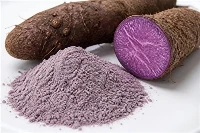
Ginger is a flowering plant that has been used for centuries for its culinary and medicinal applications. The underground rhizomes of ginger contain a complex matrix of nutrients and phytochemicals that impart a characteristic pungent, lemony-spicy flavor. Ginger is commonly used as a spice to add flavor to dishes and beverages. However, it also has a long history of use in traditional medicine systems like Ayurveda and Traditional Chinese Medicine for alleviating nausea, stomach aches, pain, inflammation and other ailments.
With the increasing interest in natural remedies, ginger extract has gained popularity as a convenient way to obtain concentrated amounts of ginger's beneficial compounds. The extraction process aims to isolate the active ingredients from the ginger rhizomes while preserving their therapeutic effects. This article explores the traditional uses of ginger, the composition of ginger extract and details the various methods employed commercially to produce high-quality ginger extracts. Understanding how wild ginger extract is made can help inform our choices and evaluate different extract products.

What is Ginger Extract?
Ginger extract refers to the concentrated preparations obtained from the roots or rhizomes of the ginger plant (_Zingiber officinale_). It contains the plant's most pharmacologically active constituents - gingerols, shogaols, zingerone and essential oils like sesquiterpenes that impart the signature spicy aroma of ginger. The primary bioactive component in fresh ginger is gingerol, which gets converted to the more bioavailable shogaol during drying and extraction. Together, gingerols and shogaols exert potent anti-inflammatory, antioxidant and gastroprotective activities.
Since ancient times, ginger has been valued for its medicinal properties. Ayurvedic medical texts describe ginger's ability to stimulate digestion and metabolism. Traditional Chinese Medicine uses it to dispel cold, dampness and toxins. Modern research has confirmed many of ginger's traditional uses and effects - pain relief in arthritis and muscle soreness, prevention of nausea and vomiting, and anti-microbial action. Ginger extract provides a convenient way to obtain higher, more concentrated doses of these compounds for therapeutic use.
Harvesting and Preparation of Ginger
Ginger is cultivated in tropical regions across the world, with India and China being the largest producers. It is grown from rhizomes sown in beds and the harvested once the shoots are fully mature, which takes about 7-10 months. Harvesting is usually done manually. The rhizomes or underground stems are washed well, scrubbed thoroughly, and the outer skin is peeled off. Peeling not only improves the appearance but also removes pesticide residues and soil microbes from the outer surface.
For making ginger extract, the next step is to slice, crush, grind or blend the peeled ginger into a mash. This helps rupture the cell walls and release the active constituents, allowing for more efficient extraction. The mashed ginger is then dried to reduce moisture content before extraction. Drying concentrates the flavors and compounds while extending the shelf life. Sun drying, oven drying or freeze drying methods may be used.
How do you make pure ginger extract?
There are several techniques used for extracting the essential oils, oleoresins and juices from the dried ginger. The most common commercial methods include:
A. Distillation Process
Steam distillation is the most popular method used for obtaining pure ginger essential oil. In this process, the ground ginger is placed in a still and steam is passed through. The steam captures the volatile oils from the ginger. The steam then condenses back into water and returns to the boiler, while the essential oil separates out and gets collected.
The advantages of steam distillation include:
- Produces highest quality ginger oil containing volatile aromatic compounds.
- Heat is controlled so no damage to delicate compounds
- No chemical solvents are used
The composition and aroma of ginger essential oil depends on the distillation time. Short distillation yields more delicate citral-rich oil. Prolonged distillation produces oil with a higher content of sesquiterpenes like zingiberene and bisabolene, which gives a more pungent, spicy aroma.
B. Solvent Extraction Process
In this method, dried ground ginger is washed and then immersed in a solvent like hexane, ethanol or acetone which can effectively dissolve both volatile and non-volatile chemical compounds from the material. The solution is filtered and concentrated under vacuum conditions to recover the solvent. The residual extract is called the ginger oleoresin. It contains the fixed oils, resins and the non-volatile active principles of ginger.
Advantages of solvent extraction:
- High yield of concentrated extract containing a wide range of active compounds
- No heat so thermosensitive compounds are preserved
- Allows for easier standardization of active ingredients
The choice of solvent affects the composition of the extract. Hexane yields oleoresins containing more essential oils, while alcohol extracts contain higher levels of pungent principles like gingerols and shogaols.
C. Cold Pressing Process
In this method, fresh ginger rhizomes are crushed and pressed to extract the juice without using heat or chemicals. The juice contains the natural enzymes and nutrients present in raw ginger.
Benefits of cold pressing:
- Preserves heat-sensitive and water-soluble components
- Retains fresh flavor
- No chemical residues
The main drawback is that the yield is lower compared to other processes. Ginger juice also has shorter shelf life than concentrated extracts.
D. Concentration and Standardization
After the initial crude extract is obtained, further processing steps are necessary to concentrate the extract and standardize it to ensure consistent quality and potency. Solvents are removed through evaporation under vacuum. Excess moisture is eliminated by drying using spray dryers or freeze dryers to yield a concentrated powdered extract.
Standardization is done to establish a reliable concentration of active compounds like gingerols or essential oils in the final product. This ensures predictable effects and safety. High Performance Liquid Chromatography and spectrophotometric methods help quantify the bioactive markers during various stages of production. By adjusting processes and combining extracts, manufacturers can develop ginger extract preparations with guaranteed levels of active constituents.
What are the ingredients in ginger extract?
Ginger extracts can vary in their composition based on the extraction method, solvents used, and post-processing steps. Some of the main types of compounds found in ginger extracts include:
- Gingerols: The most abundant bioactive compounds in fresh ginger with anti-inflammatory, antioxidant effects. Mainly 6-gingerol, 8-gingerol, 10-gingerol.
- Shogaols: Formed from gingerols during heating and drying. More pungent and bioavailable than gingerols. 6-Shogaol is most abundant.
- Zingerone: Produced by cooking and fermentation. Has antioxidant and anti-inflammatory properties.
- Essential Oils: Volatile oils like zingiberene, bisabolene, cineole, citral that give ginger its aroma. Have antiseptic, gastroprotective effects.
- Flavonoids: Phenolic compounds like quercetin and kaempferol that have antioxidant activity.
- Lipids: Rich in beneficial omega 3, 6 and 9 fatty acids.
- Carbohydrates: Polysaccharides and dietary fibers with prebiotic and immune-modulating effects.
- Vitamins & Minerals: Contains vitamin C, magnesium, potassium, phosphorus and others.
So in summary, wild ginger extract when prepared properly contains a wide array of beneficial bioactive components that produce its health-promoting effects.
How do you get the most nutrients out of ginger?
To maximize the nutritional value and health benefits from ginger, here are some tips:
- Choose high-quality fresh ginger that feels firm and heavy for its size. Avoid very fibrous, dry or withered pieces.
- Do not overpeel ginger since nutrients are present just under the skin. Simply scrub well before use.
- Slice, grate or blend ginger to release the nutrients and flavors rather than eating big chunks. More surface area exposed means higher nutrient release.
- Add ginger early during cooking to allow its compounds time to infuse into the dish. Quick sautéing or stir-frying minimizes damage to heat-sensitive nutrients.
- Drink ginger tea made from fresh ginger slices to get antioxidants and increase hydration.
- Juice fresh ginger and combine with carrot or other fruit/veggie juices.
- Make ginger infused oil by heating sliced ginger in oil slowly for several hours to extract the active constituents.
- Powder or homogenize ginger and combine with honey to make ginger paste. Consuming 1-2 teaspoons of this paste daily provides a concentrated nutrient boost.
- Look for ginger extract supplements standardized to contain high levels of gingerols, shogaols and essential oils. Follow dosage on the label.
- Pair ginger with lemon, turmeric, black pepper and other herbs/spices - they have synergistic effects and boost absorption.
Is ginger extract good for you?
Yes, ginger extract made properly from high-quality ginger rhizomes and using suitable extraction techniques can provide concentrated health benefits. Here are some of the ways ginger extract can be good for health:
- Provides strong anti-inflammatory and antioxidant protection due to bioactive compounds like gingerols and shogaols. This helps relieve pain, arthritis, muscle soreness, and reduces risk of chronic diseases.
- Alleviates nausea, vomiting, motion sickness and morning sickness thanks to the activity of gingerols and essential oils.
- Improves digestion, absorption, gut motility and appetite by increasing digestive enzymes, stimulating production of bile and gastric juices.
- Has antimicrobial and antifungal properties that help fight infections, boost immunity and detoxification.
- May help manage blood sugar levels, cholesterol and promotes heart health due to antidiabetic, hypolipidemic and cardioprotective effects.
- Offers stress and mood-lifting benefits by inhibiting inflammatory stress pathways and exerting neuroprotective activity.
- Generally recognized as safe when taken in culinary amounts. High quality standardized extracts are safe when dosage recommendations are followed.
In summary, wild ginger extract provides a more convenient way to obtain a concentrated dose of ginger's numerous health promoting compounds like gingerol, shogaol and essential oils. When prepared properly using good quality ginger and suitable extraction methods, ginger extract is good for health and provides science-backed benefits.
As a professional China Wild Ginger Extract supplier, Botanical Cube Inc. can provide you with 14 different forms of ginger extract including Ginger Root Extract Powder, Ginger Oil Extract, Ginger Rhizome Extract, etc. to meet your specific requirements. Our products undergo rigorous testing and standardization to ensure consistent potency and quality. For more information on ginger extract products, please feel free to consult sales@botanicalcube.com or visit our homepage.
References:
1. Semwal, R. B., Semwal, D. K., Vermaak, I., & Viljoen, A. M. (2015). A comprehensive scientific overview of ginger (Zingiber officinale) and its bioactive components: part I-chemistry, analysis, functionality and non-medicinal applications. Phytochemistry Reviews, 14(3), 439-466.
2. Wang, S., Zhang, C., Yang, G., & Yang, Y. (2020). Biological properties of 6-gingerol: A review. Natural Product Communications, 15(1).
3. Bradbury, F., & Cameron-Smith, D. (2020). Bioactive compounds in ginger: role in health and disease. Annual review of food science and technology, 11, 183-201.
4. Mashhadi, N. S., Ghiasvand, R., Askari, G., Hariri, M., Darvishi, L., & Mofid, M. R. (2013). Anti-oxidative and anti-inflammatory effects of ginger in health and physical activity: review of current evidence. International journal of preventive medicine, 4(Suppl 1), S36.
5. Ali, B. H., Blunden, G., Tanira, M. O., & Nemmar, A. (2008). Some phytochemical, pharmacological and toxicological properties of ginger (Zingiber officinale Roscoe): a review of recent research. Food and chemical toxicology, 46(2), 409-420.