




Ginger extract, derived from the root of the ginger plant, has been used for centuries in traditional medicines and cuisines. In recent years, modern science has confirmed many of its purported health benefits, from reducing nausea and pain to lowering blood sugar and cholesterol. But how much of this pungent extract should you take every day? This article reviews the recommended daily ginger extract guidelines based on factors like age, sex, and overall health. We'll also explore its potential benefits and risks at different dosages and methods of consumption.
What is Ginger Extract?
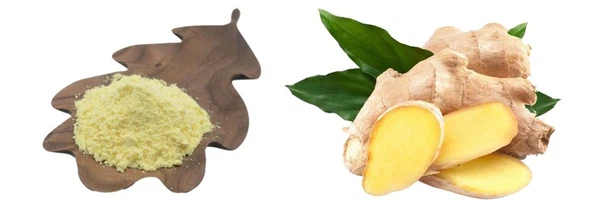
Ginger extract is a highly concentrated liquid made by soaking chopped, sliced or pulverized ginger root in a solvent like alcohol, vegetable glycerin or water. The solvent helps draw out and capture the plant's beneficial bioactive components. This produces a densely packed extract containing ginger's key compounds like gingerols, shogaols and paradols. Through their antioxidant and anti-inflammatory actions, these versatile ginger molecules are associated with pain relief, reduced nausea, healthier digestion and more. Commercial ginger extracts usually provide standardized concentrated doses ranging from 100mg per pill or serving up to 10,000mg.
Recommended Daily Intake
There is no universally standard recommended daily intake for ginger extract. How much you take depends on what you are using it for and how much your body can tolerate. However, health organizations provide some general intake guidelines based on the existing evidence:
● The German Commission E recommends healthy adults consume no more than 4 grams of powdered ginger root daily. This is equivalent to approximately 1,200 to 1,500mg of standardized ginger extract containing 5% gingerols.
● According to the University of Michigan Health Library, ginger extract doses up to 4,000mg appear to be safe for most healthy adults when used for up to 3 months.
● Higher single doses up to 8,000mg may be appropriate for reducing acute nausea from motion sickness, chemotherapy or surgery. However, these higher levels should only be used under medical supervision.
For specific health conditions or for children and elderly populations, getting personalized medical advice is ideal to find your optimum ginger extract dosage. Starting slow with ginger supplements or food sources allows you assess your tolerance. You can increase your intake gradually if appropriate to dial in the daily amount that agrees with your body and addresses your health goals.
Factors Influencing Intake
The ideal ginger extract dosage varies widely between people depending on individual bioavailability and tolerability influenced by these primary factors:
Purpose of Use
● General health and wellness: Typical doses range from 250mg to 2,000 mg per day. This is shown to provide antioxidant, anti-inflammatory and digestive benefits for most healthy adults.
● Specific conditions like osteoarthritis: Clinical research used doses around 1,000 to 2,000mg daily, sometimes divided into multiple smaller doses for relief from joint inflammation and discomfort.
● Acute nausea: Doses of 1,500mg to 4,000mg daily may provide relief from surgery-related or chemotherapy induced intense nausea when supervised by a physician.
Health Condition
● People with diabetes, heart disease, gallstones or bleeding disorders should use ginger cautiously to avoid unsafe drops in blood pressure or clotting issues. Inform your doctor about using ginger supplements to discuss possible drug interactions.
● Healthy adults are considered the best candidates for regular ginger extract use for wellness and preventative benefits, at appropriate doses.
Tolerance
● Some people experience heartburn, stomach upset, diarrhea or irritation when consuming ginger extracts. This indicates their personal tolerance is lower.
● Start with small doses around 100 to 250mg and gradually increase intake only if ginger seems well tolerated. Scale back if any significant discomfort occurs.
Age and Sex
● Doses for children depend on weight and fall well below adult doses. Get pediatric guidance since universal ginger recommendations for youth are lacking.
● Women who are pregnant or breastfeeding should not exceed 1,000 to 1,500mg per day due to inadequate safety data at higher levels or long term. It's preferable to get OBGYN guidance on ginger use during pregnancy and lactation.
● Men may better tolerate higher daily doses but caution is still warranted starting out especially with pre-existing medical issues.
Potential Benefits and Risks
Human and animal research shows taking up to 100mg to 1,500mg daily of ginger extract appears to be safe for most healthy adults and may help:
● Alleviate nausea
● Lessen menstrual and migraine headaches
● Reduce arthritis-associated joint inflammation and pain
● Provide antioxidant and immune boosting protection
● Stimulate healthy digestion
Taking ginger extract reliably seems to activate anti-inflammatory pathways that reduce pain and swelling involved in various health conditions. Consuming higher amounts up to 4,000mg could specifically benefit:
● Easing muscle aches and workout soreness
● Controlling blood sugar levels which helps prevent diabetes
● Lowering "bad" LDL cholesterol levels to support heart health
Research has not shown that exceeding 4,000-5,000mg daily provides any additional health advantages for adults. However doses above 5,000mg do raise the risks of these side effects:
● Heartburn
● Indigestion
● Mild to moderate diarrhea
● Mouth or throat irritation
● Slow blood clotting which can increase bruising
Possible bleeding concerns might worsen when combining such high doses of ginger preparations or extracts with blood thinning medications like Warfarin or Aspirin. It's crucial to tell your doctor if adding ginger supplements to your health regimen to assess for any problematic interactions with your prescriptions.
Methods of Consuming
With both food forms and concentrated supplements available, getting ginger's benefits can be worked into your routine multiple ways:
Culinary: Mincing, grating or juicing fresh ginger root into stir-fries, soups, curries, marinades is an easy kitchen way to access some ginger extract compounds. The downside is often not knowing precise amounts consumed. But including ginger liberally as a flavor enhancer ensures some helpful health components make it into your diet and can provide a tolerability check before considering extracts.
1 Teas: Grating about 5 grams or 1-2 teaspoons of fresh ginger root and steeping into hot water makes a warming ginger tea. Ginger is also often blended with herbal teas and ingredients like honey or lemon. This allows consuming its bioactive components in a pleasant beverage form. Store-bought ginger tea products will contain varying amounts of actual ginger extract ranging widely from 50mg to 500mg per teabag.
Juices and Smoothies: Blending or pressing fresh ginger juice with fruits/vegetables provides flavor and wellness compounds too. Again amounts will vary based on ginger root size and quantity added but will likely fall in the 100-500mg range in a typical glass.
2 Supplements: Standardized capsules or tablets offer consistent concentrated doses and the convenience many favor. This allows easy consumption of higher therapeutic doses like 1,000-2,000mg for issues ginger helps treat – particularly nausea or arthritis pain. Follow product label guided dosing and don't exceed maximums. Consulting an integrative physician or pharmacist can help identify reputable quality ginger extract supplement brands meeting purity and potency standards too.
3 Topical Creams and Rubs: Applying products containing substantial ginger extract amounts like pastes, creams or oils could help ease muscle aches and arthritis pain when used alongside an internal ginger regimen. Using ginger topically allows directly targeting treatment areas. However research on efficacy and ideal topical use guidelines is still quite limited. So discuss with your doctor or pharmacist about appropriately incorporating a ginger infused product into your pain relief plan.
Other Considerations
A few other factors are worth considering when adding ginger extract to your routine:
Drug Interactions
● As touched on, ginger supplements may increase bleeding risks or affect blood pressure if taken alongside anticoagulant, antihypertensive or anti-platelet medications. It could also alter absorption or efficacy of certain diabetes, heart and antidepressant prescription drugs.
● Inform your physician of any ginger supplement additions so possible interactions with your regular prescriptions can be monitored and managed. Your pharmacist can also screen for known ginger drug interactions.
Supplement Quality
● With the rise in ginger extract supplements, choosing quality products is vital. Seek out reputable nutraceutical brands that disclose the source of ginger used and provide verifiable independent testing for purity and accurate labeled gingerol/bioactive levels. Leading supplement companies focused on clinical strength formulations are preferable.
● Avoid obscure brands making miraculous claims. Supplements should confirm they follow FDA current good manufacturing processes (CGMPs) for quality controls too.
Safety
● Avoid extremely high amounts of ginger root or extracts during pregnancy (over 1,500mg) or for very young children since safety data is limited at higher doses for these populations.
● Those with gallstones or other medical conditions should always seek physician guidance before considering substantial supplemental ginger amounts or making dramatic dietary increases. Start low 100mg and slowly titrate based on your individual reactions.
Conclusion
For most healthy adults, daily ginger extract intakes between 500mg and 1,500mg are considered safe and can impart a variety of wellness benefits related to reducing inflammation. Using higher therapeutic doses up to 4,000mg could provide relief for issues like nausea and arthritis but require more care. Exceeding 4-5 grams of total ginger preparations daily fails to boost gains further and substantially raises your risk of unpleasant digestive side effects. Pay attention to your personal tolerance, pre-existing health conditions and purpose for using ginger extract supplements. This helps determine appropriate ginger extract dosage guidelines to follow. Consulting an integrative healthcare practitioner is ideal if pregnant, nursing, on medications or diagnosed with certain medical conditions before adding in ginger extracts.
If you're looking for a trusted supplier of water-soluble ginger extract, Botanical Cube Inc. is a reputable choice. With our commitment to quality and customer satisfaction, we provide high-quality botanical extracts to meet your specific needs. Contact us at sales@botanicalcube.com or visit our website to learn more about our water-soluble ginger extract and other botanical products. Start your journey with Botanical Cube Inc.
References:
[1] Zick SM, et al. J Altern Complement Med. 2008 Dec;14(10):1333-40.
[2] Blumenthal M, et al. The Complete German Commission E Monographs. American Botanical Council, 1998.
[3] Ginger. University of Michigan Health Library.
[4] Palatty PL, et al.. Phytother Res. 2013 Feb;27(2):173-79.
[5] Marx WM, et al.. Eur J Gastroenterol Hepatol. 2017 Jun;29(6):694-700.
[6] Daily JW, et al. Eur J Pharmacol. 2015 Oct;764:68-78.
[7] Griffiths LA. Can Pharm J. 2019 Jul;152(4):254-9.
[8] Tiran D. Baillieres Clin Obstet Gynaecol. 2003 Nov;17(4):733-743.