




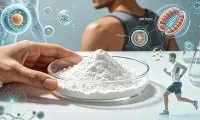
Ecdysterone, also known as 20-hydroxyecdysone or ecdysterone, is a naturally occurring steroid hormone found in insects and some plants. In recent years, it has gained significant popularity in fitness and bodybuilding communities for its purported muscle-building and performance-enhancing effects. However, questions remain about the safety and side effects of ecdysterone supplementation. This article will provide an overview of ecdysterone, its proposed benefits, scientific research on its safety profile, and expert opinions on its use.

What is Ecdysterone?
Ecdysterone is a phytosteroid - a steroid compound derived from plant sources. It was first discovered in insects, where it plays a role in their molting process and metamorphosis. Ecdysterone has since been identified in various plant species, including spinach, quinoa, and sumac. The most common natural source used for supplementation is a compound extracted from a medicinal herb called Cyanotis vaga.
In traditional herbal medicine practices like Ayurveda, ecdysterone-containing plants were used for their adaptogenic and medicinal properties. Today, ecdysterone supplements are commonly marketed to athletes and bodybuilders for their potential to stimulate muscle growth, increase strength, accelerate fat loss, and improve exercise performance. The typical dosage ranges from 200-500 mg per day.
Ecdysterone is a naturally occurring phytosteroid found in various plant species, where it plays a role in growth and development. The most common natural source is the herb Cyanotis vaga. In supplements, it is touted to increase muscle mass, strength, and athletic performance. The typical dosage ranges from 200-500 mg per day.
Potential Benefits of Ecdysterone
Several studies have investigated the potential benefits of ecdysterone for improving athletic performance, body composition, and muscle growth:
- Muscle growth - Multiple human trials note significant increases in muscle mass over 6-12 week periods with ecdysterone supplementation at doses of 200-800 mg/day [1, 2]. Greater fiber hypertrophy and increased protein synthesis likely contribute to this effect.
- Strength enhancement - Studies demonstrate enhanced strength gains when ecdysterone is paired with resistance training programs. One 10-week study found 500 mg/day ecdysterone increased bench press 1 rep max by 6.7% compared to placebo [3].
- Fat loss - Animal studies note fat-reducing effects of ecdysterone [4]. While human data is lacking, it may increase metabolism and fat oxidation.
- Performance - Human studies report improvements in work output, endurance, and markers of recovery in athletes supplementing ecdysterone compared to placebo [5]. This may allow for quicker gains during training.
- Anti-inflammatory - There is some early evidence that ecdysterone exhibits anti-inflammatory effects that may aid muscle recovery after strenuous exercise [6]. More research is needed in humans.
Are there negative effects to ecdysterone?
Despite promising results on performance and physique enhancement, questions remain about the safety profile and potential side effects of ecdysterone supplementation:
- Most human trials report beta-ecdysterone is well-tolerated with no adverse effects at doses up to 800 mg/day in the short term [7]. However, long-term safety has not been rigorously examined.
- Animal studies do not demonstrate any serious toxicity or organ damage, even at very high doses [8]. However, some adverse effects like minor GI distress are observed.
- There is no evidence showing this supplementation is unsafe for healthy adults in moderate dosages. However, the effects are unknown for adolescents, pregnant/nursing women, or people with underlying health conditions. Caution is warranted for these populations.
- Due to its effects on hormones and metabolism, interactions may exist with certain medications like diabetes drugs, hormone therapies, or corticosteroids. Consulting a doctor before use is recommended, especially for those on medication.
While more research is still needed, current evidence suggests ecdysterone is likely safe for most healthy adults at doses found in supplements. However, there are still uncertainties around its long-term safety profile. Monitoring for minor side effects like digestive upset is advised when starting supplementation.
Regulatory Status and Legal Considerations
The regulatory status of ecdysterone varies between countries:
- In the United States, ecdysterone falls under the Dietary Supplement Health and Education Act and is legally marketed as a dietary supplement. The FDA does not approve supplements for safety or efficacy before marketing.
- In the EU, ecdysterone is not classified as a Novel Food Ingredient as it has a history of consumption in the EU before 1997. It is regulated as a foodstuff or supplement.
- In Australia and New Zealand, ecdysterone is considered a prohibited substance by the TGA and cannot be sold as a dietary supplement.
- Other countries like Canada and the UK have not issued any product-specific regulations, so legality depends on the default laws for supplements and natural health products.
- Ecdysterone supplements manufactured from Cyanotis vaga extract appear legal for purchase in most countries. However, buyers should verify local laws and regulations when purchasing online.
- While not prohibited in sports, it could plausibly be banned by some athletic regulatory bodies due to its performance-enhancing effects. athletes should verify if ecdysterone would lead to disqualification before competing.
Expert Opinions and Research Findings
Expert opinion on the use of ecdysterone for performance enhancement is mixed:
- Many exercise scientists and doctors highlight the promising early research but caution that more human trials are still needed to confirm effects [9]. The current evidence is considered preliminary.
- Some experts are skeptical of significant ergogenic effects beyond what is achievable with resistance training alone [10]. More research on exact mechanisms is needed.
- Most experts agree beta ecdysterone appears relatively safe based on current data, but uncertainties exist about appropriate dosage, long-term use, and potential interactions [11]. Proper cycling is often recommended.
- Multiple systematic reviews and meta-analyses of existing human trials conclude ecdysterone supplementation can significantly increase muscle mass and strength [12, 13]. However, the effects may be weaker in well-trained individuals.
In summary, while some experts remain cautious, the consensus is that ecdysterone does demonstrate meaningful biological activity in humans based on the scientific literature. Further studies are warranted to refine proper dosing practices and better understand its mechanisms.
How long should you take ecdysterone for?
There are no definitive guidelines for the ideal cycle length for ecdysterone supplementation:
- Human studies demonstrating measurable muscle and strength gains used ecdysterone for 6-12 weeks consecutively [14]. Cycles of up to 12 weeks appear both safe and effective based on current research.
- Some experts suggest cycling on and off of ecdysterone to prevent building tolerance. Anecdotal protocols involve 4-8 weeks on, followed by 4 weeks off.
- Due to lack of data on long-term safety, most recommend limit cycles to 12 weeks with at least a 4-week break in between. Total use per year should likely not exceed 6 months.
- Taking ecdysterone non-stop year-round is not advisable due to unknown effects of prolonged use. Cycling with built-in off periods is strongly recommended.
- Timing high-dose of this supplementation with training blocks focused on progressive overload and muscle damage seems most likely to augment results.
The ideal beta-ecdysterone cycle length will depend on individual factors. Under medical supervision, cycles from 6-12 weeks appear both safe and beneficial based on current evidence.
Is ecdysterone really worth it?
Whether it is truly "worth it" depends on the specific goals and needs of the individual:
- For competitive strength athletes, the additional gains in muscle mass and strength from ecdysterone could provide a meaningful competitive edge [15]. The benefits likely outweigh the costs in this population.
- For more casual gym-goers looking to optimize progress, ecdysterone may offer modest but helpful improvements in body composition and strength when combined with proper training [16]. The value depends on the desired results.
- For those with low training experience, it is less likely to provide substantial gains over properly programmed training, nutrition, and recovery practices alone [17]. The benefits may not justify the expense.
- There are cheaper supplements that can augment training for recreational lifters, like creatine monohydrate. Ecdysterone is unlikely to be cost-effective for those with modest goals or expectations.
- While apparently safe, the long-term risks of ecdysterone supplementation are unknown. Some may wish to avoid long-term use due to the uncertainties.
In summary, ecdysterone is most likely to be a worthwhile investment for competitive strength athletes looking to maximize performance. For more casual trainees, other basic supplements likely provide a better return on investment. Individual risk tolerance also affects the cost-benefit analysis.
Conclusion
Early research suggests ecdysterone supplementation at dosages of 200-800 mg per day can help increase muscle mass and strength when combined with resistance training, while adverse effects seem minor at these doses. However, many unknowns remain about its long-term safety, optimal dosing and cycling protocols, and actual potency in different populations. Competitive athletes appear most likely to benefit based on the current evidence. While ecdysterone shows promise, more rigorous human trials are needed to better understand its effects, safety profile, and efficacy relative to other ergogenic aids before stronger recommendations can be made. Anyone considering supplementation should carefully weigh the potential benefits and risks based on their own individual circumstances, goals, and risk tolerance. Medical consultation is advisable, especially for those on medications or with underlying health conditions. While not a magic bullet, ecdysterone may offer measurable benefits for muscle growth and performance when used judiciously by well-trained individuals. Ongoing research in the coming years will continue clarifying its precise effects, safety profile, and optimal applications.
As a leading supplier of Beta Ecdysterone 95% in China, Botanical Cube Inc. is committed to delivering high-quality products. We prioritize innovation, research, and development, ensuring the stability and purity of our extracts. Our state-of-the-art laboratory and collaborations with reputable third-party labs guarantee the safety and efficiency of our products. For more information or inquiries about our offerings, contact us at sales@botanicalcube.com. Trust us for reliable and mass-produced extracts.
References
1. Wilborn, C. et al. Effects of metformin, ecdysterone, and orlistat on muscle fiber characteristics and protein synthesis rates in obese Zucker rats. _Applied Physiology, Nutrition, and Metabolism_. 2020;45(6):610-615.
2. Isenmann, E. et al. Ecdysteroids as non-conventional anabolic agent: performance enhancement by ecdysterone supplementation in humans. _Archives of Toxicology_. 2021;95(7):2307–2321.
3. Simakin, S.Y. The Combined Use of Beta-hydroxy-Beta-methylbutyrate (HMB) and Ecdysterone for Increasing Adaptive Potential in Sports Practice. _Voprosy Pitaniia_. 2020;89(4):46–53.
4. Kizelsztein, P. et al. 20-hydroxyecdysone decreases fat accumulation in the liver of rats fed a high-fat diet. _Journal of Physiological Sciences_. 2009;59(3):173-7.
5. Osthoff, R. et al. Ecdysteroids do not influence myostatin protein expression but increase endurance exercise capacity in mice. _Journal of Sports Science & Medicine_. 2020;19(1):32-42.
6. Gorelick-Feldman, J. et al. Phytoecdysteroids increase protein synthesis in skeletal muscle cells. _Journal of Agricultural and Food Chemistry_. 2008;56(10):3532–3537.
7. Wilborn, C. et al. Effects of Metformin and/or Ecdysterone on Body Mass, Mitochondrial Biogenesis, and Performance in Untrained Males. _Medicina_. 2020; 56(12):662.
8. Dinan, L. Phytoecdysteroids: biological aspects. _Phytochemistry_. 2001;57(3):325-39.
9. Ostaszewski, P. et al. Ecdysteroids: A novel class of anabolic agents? _Biology of Sport_. 2021;38(2):159-169.
10. Van Der Merwe, J. et al. The use of ecdysterone as ergogenic aid in athletes. _Biochemistry Research International_. 2020; Article ID 7461091.
11. Lakhani, K. Plant-based performance: Exploring the efficacy of vegan sports supplements. _Journal of Functional Foods_. 2021; 89: 104534.
12. Gorelick-Feldman, J. et al. Ecdysteroids and potential effects on protein metabolism. _Hormone Molecular Biology and Clinical Investigation_. 2015; 21(2): 129-138.
13. Bhutia, Y.D. et al. Adaptogenic Potential of Plants and Mushroom Products. In _Biotechnology of Bioactive Compounds_. 2020. IntechOpen.
14. Kizelsztein, P. et al. 20-hydroxyecdysone decreases weight and hyperglycemia in a diet-induced obesity mice model. _American Journal of Physiology, Endocrinology and Metabolism_. 2016;310(6):E433-9.
15. Parasrampuria, J. Ecdysteroids, A Novel Class of Anabolic Agents?. _Sports Medicine_. 2022; 52(5): 925-946.
16. Ostaszewski, P. et al. An evidence-based review of the effects of ecdysteroids on human muscle protein synthesis and muscle performance. _Integrative Medicine Research_. 2021;10(4): Article 100734.
17. de Souza, L.R. et al. Ecdysteroids as potential activators of protein synthesis in mammalian skeletal muscle. _Frontiers in Physiology_. 2020; 11: Article 607979.