



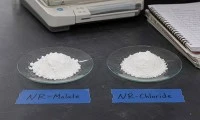
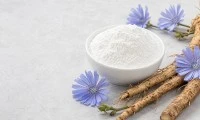
The short answer is no.
Although Ube Powder and Purple Sweet Potato Powder share a similar purple appearance, they come from different plants, offer different flavor profiles, and perform differently in food and beverage applications.This confusion is surprisingly common. We've spoken with beverage brands, bakery manufacturers, and product developers who initially assumed that Ube and Purple Sweet Potato were interchangeable ingredients. After all, both are naturally purple, both are used in desserts and beverages, and both are often marketed as premium plant-based ingredients.
However, once formulation begins, the differences become much more noticeable.Ube Powder is made from purple yam (Dioscorea alata), a tropical tuber known for its naturally vibrant purple color and distinctive sweet, nutty, vanilla-like flavor. Purple Sweet Potato Powder, on the other hand, is produced from purple varieties of sweet potato (Ipomoea batatas), which tend to have a milder, earthier taste and a different anthocyanin profile.
For food brands, choosing between the two is not simply a matter of color. It can affect flavor development, consumer perception, product positioning, and even manufacturing performance.
In this article, we'll compare Ube Powder and Purple Sweet Potato Powder in detail-from botanical origins and nutritional characteristics to color performance, flavor differences, market trends, and commercial applications-so you can decide which ingredient is the best fit for your next product.

Why Are Ube and Purple Sweet Potato Often Confused?
The root of the confusion is purely visual and linguistic. Both ingredients deliver a striking purple color to finished food products, and in various regional markets, the words "yam" and "sweet potato" are often used interchangeably by everyday consumers.
But when you scale up from a home kitchen to industrial manufacturing, casual naming becomes a major risk. Ube, purple sweet potato, and purple taro represent three entirely different botanical raw materials. If your procurement department purchases purple sweet potato powder expecting the signature sensory profile of premium Philippine Ube, your final formulation will fall short of consumer expectations.
What Is Ube Powder?
1.Botanical Origin
True Ube is botanically classified as Dioscorea alata [1]. It is a prominent tuberous root crop primarily cultivated in Southeast Asia, deeply rooted in the culinary heritage of the Philippines as the iconic purple yam. Unlike sweet potatoes, which grow closer to the soil surface, Ube grows as an underground vine tuber, requiring specific tropical soil conditions and a prolonged growth cycle to develop its distinctive pigmentation and starch profile.
2. Key Characteristics
- Vibrant Violet Hue: Ube powder yields a deep, rich, and highly identifiable violet color that remains stable under specific processing ranges.
-
Signature Sensory Profile: It delivers a truly unique flavor combination-a mellow blend of natural nutty notes, creamy coconut, and a smooth, back-of-the-throat vanilla finish.
- High Premium Appeal: Because of its complex aroma and cultural authenticity, Ube has shifted from an exotic regional ingredient to a high-value global flavor profile.
3. Why Is Ube Becoming So Popular?
Consumers today eat with their eyes first, and Ube offers the perfect intersection of natural visual appeal and comfort-food flavor. Unlike synthetic dyes like FD&C Blue No. 1 or Red No. 40, Ube allows clean-label brands to achieve an instagrammable purple shade while maintaining a completely natural ingredient list.

What Is Purple Sweet Potato Powder?
1. Botanical Origin
Purple sweet potato powder comes from Ipomoea batatas[1], belonging to the Convolvulaceae (morning glory) family. It is widely grown across China, Japan, and parts of the Americas. Botanically, it is a storage root rather than a true yam.
2. Key Characteristics
- Anthocyanin-Driven Pigmentation: The purple color of this root is highly dependent on specific acylated anthocyanins [2], which can range from a reddish-purple to deep indigo depending on the pH of your formulation.
- Earthy Flavor Profile: Compared to Ube, purple sweet potato has a distinctly rustic, starchy, and earthy sweet taste, very similar to a standard orange sweet potato but slightly less sugary.
- Cost-Efficient Sourcing: Because Ipomoea batatas has a much higher yield per acre and simpler agricultural requirements than Ube, it is highly abundant in the global market, resulting in a significantly lower raw material cost.
3. Common Commercial Uses
Due to its cost structure, purple sweet potato powder is widely utilized as a bulk natural coloring agent in large-scale industrial baking, extruded snacks, puffed cereals, and entry-level functional food blends where a subtle sweet potato flavor is acceptable.
Ube Powder vs Purple Sweet Potato Powder
To help your research and development (R&D) team make the right choice instantly, we have summarized the technical and sensory differences in the master comparison table below:
| Feature | Premium Ube Powder | Purple Sweet Potato Powder |
| Botanical Source | Dioscorea alata (True Tuber Yam) | Ipomoea batatas (Storage Root) |
| Appearance (Powder) | Pale violet to deep purple with complex starchy flecks | Uniform magenta to dusty reddish-purple |
| Flavor Profile | Creamy, vanilla-like, distinct nutty coconut notes | Earthy, rustic, traditional sweet potato taste |
| Aroma | Rich, sweet, baked pastry and warm vanilla aroma | Mild, starchy, vegetable-like smell |
| Color Intensity | High saturation vibrant violet | Medium saturation, leans red or indigo with pH shifts |
| Nutritional Edge | High resistance starch, rich in potassium & mucilage | Exceptionally high total crude anthocyanins |
| Processing Stability | Excellent heat retention in pH 4.5–6.5 systems | Highly sensitive to pH shifts (turns pink in acid, gray/green in alkaline) |
| Typical Applications | Premium Ube lattes, RTD plant milks, artisanal ice cream, high-end pastry | Bulk bakery coloring, extruded snacks, pet food, low-cost noodles |
| Consumer Appeal | Trendy, exotic, premium, high social media engagement | Familiar, healthy, standard everyday superfood |
| Market Positioning | Premium / Specialized Ingredient | Value-driven / Bulk Functional Filler |
Which Powder Creates a Better Natural Purple Color?
For a brand manager or product formulator, color consistency is everything. If your purple product turns an unappealing gray on the retail shelf, consumer repeat-purchase rates drop to zero.
Ube powder delivers a highly sought-after, authentic violet hue. In neutral to slightly acidic systems (such as dairy bases, coconut milks, and standard oat milk formulations with a pH between 5.5 and 6.5), Ube retains a gorgeous, soft-yet-vibrant purple.
Purple sweet potato powder, on the other hand, relies heavily on a class of anthocyanins that act like natural pH indicators [2]. If you introduce purple sweet potato powder into an acidic beverage (like a fruit juice blend or a yogurt with a pH below 4.0), the color will shift dramatically toward a bright magenta or pinkish-red. Conversely, if your manufacturing water or baking agents lean alkaline (pH above 7.0), purple sweet potato can shift toward a dull, gray-green color.
Therefore, for beverages, frozen desserts, and premium cream fillings where you need a true, stable, non-artificial purple look, Ube powder is the clear winner.
What Does Ube Taste Like Compared to Purple Sweet Potato?
Let's look at the sensory data. The consumer experience of Ube is fundamentally different from that of purple sweet potato.
When you formulate with Ube powder, you are getting an active flavor profile that consumers genuinely crave. It acts simultaneously as a natural sweetening enhancer and an aromatic component. The natural presence of specific volatile compounds gives Ube an unmistakable vanilla-malt aroma. It adds an indulgent, velvety mouthfeel and a "creamy" perception to products, even in completely vegan or dairy-free applications.
Purple sweet potato powder provides a much more subdued, starchy experience. The flavor is mild, slightly sweet, but carries a heavy vegetable, soil-like undertone. While it works perfectly well when masked inside a heavily spiced cinnamon cookie or a complex multi-grain cracker, it lacks the standalone flavor power needed to anchor a signature beverage or a premium dessert line.
How Do Ube and Purple Sweet Potato Compare Nutritionally?
Both ingredients are exceptional clean-label superfoods, but their nutritional architectures serve different formulation goals. According to comparative food chemistry data published in the Journal of Food Composition and Analysis, both crops are excellent sources of complex carbohydrates and dietary fiber, but they diverge in micro-nutritional focus [3].

Ube contains a higher ratio of mucilage and specific storage proteins that support digestive health, alongside an excellent potassium and resistant starch profile [3]. Purple sweet potato powder typically shows a higher crude concentration of total acylated anthocyanins per dry gram [2], making it a powerful cellular antioxidant component.
When presenting these ingredients on your product packaging, both allow you to easily claim "No Artificial Colors," "Rich in Plant-Based Antioxidants," and "Clean Label Ingredients."
How Does Ube Compare with Purple Taro?
Another common question we hear is: "Is Ube the same as Purple Taro?"
The answer is no. Although both ingredients are popular in beverages, desserts, and bakery products, they come from different plants and serve different functions in food formulations.
Ube (Dioscorea alata) is a purple yam known for its vibrant purple color and naturally sweet, nutty, vanilla-like flavor. Purple Taro (Colocasia esculenta), on the other hand, has a milder, more starchy taste and typically produces a much lighter lavender color.
From a product development perspective, Ube is often chosen for premium applications where both visual appeal and flavor are important, such as Ube lattes, ice cream, and dessert mixes. Purple Taro is more commonly used when a creamy texture and traditional taro flavor are desired, particularly in milk teas and puddings.
While both ingredients have unique advantages, they are not direct substitutes and can create very different consumer experiences.

Why More Food Brands Are Turning to Ube Powder
The global shift toward premiumization, social media shareability, and clean labels has made Ube a highly profitable ingredient choice for modern food brands.
According to recent food market analysis reports, the natural food colors market is projected to grow at a CAGR of 6.8% through the late 2020s, driven entirely by the consumer rejection of artificial dyes. Concurrently, Mintel trend data highlights Ube as one of the fastest-growing flavor profiles in the global cafe and premium bakery sectors.
By incorporating true Ube powder into your product lines, your brand taps into three powerful market drivers:
- Premium Market Positioning: Ube commands a higher retail price point. Consumers routinely pay a 20-30% premium for "Ube-flavored" items compared to standard vanilla, taro, or sweet potato products.
- The Visual Viral Effect: Products containing high-quality Ube powder generate immediate organic traction on visual platforms like Instagram and TikTok, significantly reducing your brand's initial marketing acquisition costs.
- The Clean Label Movement: It perfectly replaces chemical colorants and synthetic flavors with a single, recognizable, wholesome ingredient: Dioscorea alata.
Top Applications of Ube Powder in Food and Beverage Products
Our commercial clients have successfully implemented our standardized Ube powder across a diverse range of premium product lines:
- Beverage Systems: High-end ready-to-drink (RTD) canned lattes, plant-based milk alternatives (Ube-infused coconut or oat milks), and clean protein shake powders.
- Industrial Bakery: Gourmet macarons, vibrant rolled cakes, frozen waffle/pancake batters, and glazed brioche donuts.
- Premium Dairy & Frozen: Artisanal gelatos, vegan ice creams, and colorful cultured yogurts.
- Functional Foods: Superfood smoothie bowl mixes, anti-aging nutritional powders, and functional energy bars.

Can Ube Powder Replace Purple Sweet Potato Powder?
Yes, from a formulation perspective, you can absolutely replace purple sweet potato powder with Ube powder-and doing so will almost always result in a massive upgrade to your product's aroma, flavor depth, and color luxury.
However, you must adjust for the fact that Ube possesses a much more distinct, impactful flavor profile. If your original recipe was built around the neutral, quiet earthiness of sweet potato, switching to Ube will introduce explicit vanilla and coconut notes. Furthermore, because authentic Ube powder sits at a premium price point compared to abundant sweet potato crops, this replacement makes the most sense if you are aiming for a high-end market re-positioning.
How to Choose the Right Purple Ingredient for Your Product?
When making your final procurement and product development decisions, use this simple strategic framework:
- Choose Purple Sweet Potato Powder if: Your primary target is basic cost-cutting, you are producing high-volume standard baked goods or pet foods, and the exact shade of purple or complex aroma profile is secondary to your bottom-line budget.
- Choose Purple Taro Powderif: You are formulating traditional Asian-style bubble teas, dense pastry fillings, or texturized puddings where an intense starchy thickness and heavy body are highly desirable.
- Choose True Ube Powder if: You are developing a premium beverage, high-end dessert, or clean-label functional food where you need an authentic, bright violet color, a standout flavor experience (vanilla-coconut-nutty), and a product that commands premium margins on retail shelves.
Frequently Asked Questions
1. Is ube a sweet potato?
No, Ube is not a sweet potato. It is a true yam (Dioscorea alata), belonging to the Dioscoreaceae family, whereas sweet potatoes belong to the Convolvulaceae family
[1].
2. Is ube the same as taro?
No. Taro is an entirely different root crop (Colocasia esculenta) [1]. Pure taro yields a pale, gray-lavender color and a neutral, highly viscous texture, while Ube offers a vibrant purple color and a rich vanilla flavor.
3. Why is ube more expensive?
Ube requires highly specific tropical climates, has a limited annual harvest window, and requires intensive manual agricultural labor compared to highly mechanized sweet potato farming, making its
pure powder form a premium commodity.
4. What does ube powder taste like?
Pure Ube powder tastes like a rich, comforting blend of smooth vanilla, creamy coconut, and a gentle, toasted nutty undertone.
5. Can ube powder be used in beverages?
Yes. High-quality, finely milled Ube powder features exceptional dispersion properties, making it perfect for lattes, RTD milks, and nutritional shakes.
6. Which purple powder has the strongest color?
Ube powder provides the most vibrant, recognizable "electric violet" hue in standard food formulations, while purple sweet potato provides a high concentration of anthocyanins that vary in
tone depending on acidity levels [2].
Choosing the Right Purple Ingredient
Although Ube Powder and Purple Sweet Potato Powder are often grouped together because of their similar appearance, they are fundamentally different ingredients. From botanical origin and flavor profile to color performance and product positioning, each brings its own characteristics to a formulation.
For brands and product developers, understanding these differences can make ingredient selection much easier. Whether you're developing beverages, bakery products, dairy alternatives, desserts, or nutritional blends, the right ingredient should support both your product concept and consumer expectations.As demand for naturally colorful and clean-label ingredients continues to grow, Ube Powder has become an increasingly popular choice for brands seeking a distinctive flavor profile and a vibrant purple appearance.If you're exploring Ube Powder for your next project, feel free to contact our team at sales@botanicalcube.com for product information, technical support, or sample requests.
References
[1] Botanical Classifications & Tuber Anatomy: World Flora Online Consortium. Taxonomic breakdown of Dioscorea alata, Ipomoea batatas, and Colocasia esculenta. (Cited in Section: What Is Ube Powder?, What Is Purple Sweet Potato Powder?, and How Does Ube Compare with Purple Taro?).
[2] Anthocyanin Chemical Structure & pH Color Stability: Journal of Agricultural and Food Chemistry. Acylated anthocyanins from purple-fleshed sweet potatoes (Ipomoea batatas L.) and their color characteristics in shifting pH environments. (Cited in Section: What Is Purple Sweet Potato Powder?, Which Powder Creates a Better Natural Purple Color?, and Frequently Asked Questions).
[3] Nutritional Composition & Resistant Starch Analysis: Journal of Food Composition and Analysis. Comparative study on the physicochemical properties, starch fractions, and mineral profiles of Dioscorea alata yams versus alternative tuberous storage roots. (Cited in Section: Nutritional Comparison: Is Ube Healthier Than Purple Sweet Potato?).
[4] Taro Starch Microstructure & Viscosity Metrics: International Journal of Food Properties. Characterization of small-granule starches from Colocasia esculenta and their rheological water-binding behaviors in food systems. (Cited in Section: How Does Ube Compare with Purple Taro?).