




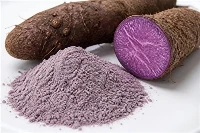
In recent years, there has been a growing interest in natural supplements to aid with anxiety and sleep disorders. Two of the most popular herbs in this field are valerian extract and lavender extract. Both of these natural remedies have shown promise in promoting relaxation and alleviating anxiety, but which one is better? In this article, we will compare valerian and lavender, evaluating their production methods, uses, and effectiveness for anxiety relief.

1. Introduction: The Popularity of Valerian and Lavender
Valerian and lavender are commonly featured in many products marketed as natural sleep aids and anxiety relievers. As more people seek alternatives to pharmaceutical treatments, these herbs have gained significant attention in the wellness industry. Valerian, known for its calming properties, and lavender, with its soothing scent, are often found in capsules, teas, essential oils, and tinctures. But are they truly comparable when it comes to anxiety relief?
2. What Are Valerian and Lavender Extracts?
Before diving into the comparison, let's first understand what each extract is and how it works:
Valerian Extract:
Derived from the root of the valerian plant (Valeriana officinalis), valerian has long been used in traditional medicine for its sedative and anxiolytic properties. It is known to promote relaxation and improve sleep quality, making it a common remedy for stress and insomnia[1].
Lavender Extract:
Extracted from the flowers of the lavender plant (Lavandula angustifolia), lavender has been used for centuries to reduce anxiety and improve mood. Its calming effects are often attributed to its volatile oils, which contain compounds like linalool and linalyl acetate[2].
3. A Comparison of Valerian and Lavender
To better understand the differences and similarities between these two popular extracts, we have outlined a comparison across various dimensions in the table below.
| Aspect | Valerian Extract | Lavender Extract |
|---|---|---|
| Source | Root of the valerian plant (Valeriana officinalis) | Flowers of the lavender plant (Lavandula angustifolia) |
| Production Process | Typically dried and then extracted via steam distillation or alcohol extraction | Extracted by steam distillation or cold pressing |
| Purity and Specifications | Available in various forms, typically in capsules or tinctures. Standardized to 0.8-1.5% valerenic acid. | Available as essential oil or in tinctures. Pure lavender essential oil is standardized to 30-50% linalool. |
| Color and Appearance | Pale yellow powder or liquid tincture | Clear, pale yellow essential oil or liquid tincture |
| Application | Anxiety relief, sleep aid, relaxation, and stress reduction | Anxiety relief, mood improvement, sleep aid, stress reduction |
| Production Challenges | Difficult to standardize due to variable content of active compounds | Sensitive to temperature, affects the quality of essential oil |
| Use in Products | Often used in sleep aids, stress-relieving supplements, and tea | Widely used in aromatherapy, skincare products, and as an additive in teas |
4. Key Differences and Similarities
From the comparison above, it is clear that while both valerian and lavender share some common applications in anxiety relief and stress reduction, they differ in several key areas:
Source and Production:
Valerian is typically extracted from the root, while lavender is sourced from the flowers. This difference in plant parts contributes to variations in their chemical composition.
Purity and Active Compounds:
Valerian extract is primarily standardized to valerenic acid, while lavender extract focuses on linalool. The purity of these extracts can also vary depending on the production method.
Application:
Valerian is mostly used in supplements and capsules aimed at improving sleep and reducing anxiety, while lavender is more commonly found in essential oils and aromatherapy products. Lavender's versatility also makes it a popular choice in skincare.
5. Conclusion: Are They the Same?
So, are valerian and lavender the same when it comes to relieving anxiety? The answer is no. While both extracts offer calming effects, they work through different mechanisms. Valerian is often considered more potent for sleep-related issues and is typically used in supplement form. Lavender, on the other hand, is more widely used in aromatherapy and skincare products due to its gentle soothing effects.
For consumers, understanding these differences can help them make better-informed choices when selecting a product. For instance, if you're looking for a natural sleep aid, valerian might be more suitable, while lavender might be the better option if you prefer aromatherapy or a multi-use product that also benefits your skin.
6. Takeaway: How to Use These Products
For end consumers, this information can be useful in selecting the right product for their needs. If you're dealing with occasional anxiety or sleep disturbances, valerian supplements could be a great addition to your routine. If you're looking for a more relaxing experience and a product with multiple uses, lavender essential oil or tinctures could be the way to go.
As a supplier of high-quality botanical extracts, we at Botanical Cube Inc. offer both valerian and lavender extracts in pure form and can provide custom solutions for your needs. Whether you're looking for raw ingredients or need help with formulation, we're here to support you. Reach out to us at sales@botanicalcube.com to discuss how we can work together to develop products that support both you and your customers' well-being.
FAQ:
Q1: Can I take valerian and lavender together?
A1:Yes, valerian and lavender can be used together, but it is important to consult with a healthcare provider to ensure the combination is suitable for your needs.
Q2: How long does valerian take to work?
A2: Valerian typically takes 30-60 minutes to take effect when used for anxiety relief or sleep support.
References
[1] Barton, D. et al. (2009). Valerian Root for Anxiety and Insomnia: A Review of Clinical Studies. Phytotherapy Research.
[2] Cavanagh, H. M. et al. (2008). Lavender Oil: A Review of Its Efficacy and Safety. The Journal of Clinical Pharmacology.