




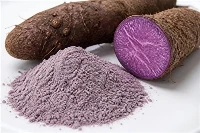
Gentian root extract is derived from the gentian plant, a flowering plant that grows in parts of Europe and Asia. The roots and rhizomes of the gentian plant have been used for centuries in herbal medicine to support digestion and liver health. Today, gentian root extract is still valued for its potential health benefits, particularly for digestive issues, inflammation, and liver support.

Health Benefits of Gentian Root Extract
1 Relief of Stomach Problems
Gentian root extract has long been used to stimulate appetite, ease feelings of fullness, and alleviate indigestion after meals. Some research indicates the bitter compounds found in gentian root can help increase digestive secretions and jumpstart digestive processes (1). This digestive stimulation is thought to help relieve occasional stomach upset or discomfort.
2 Appetite Stimulant
Multiple studies have shown the bitter flavors in gentian root can act as appetite stimulants (2). Gentian root preparations taken before meals may help improve appetite and enjoyment of food in those with poor appetite or anorexia. This appetite-boosting effect appears most effective when gentian root is consumed 20-30 minutes before meals.
3 Protection and Detoxification
Gentian root has traditionally been used to support liver health and aid detoxification. Some early research suggests the antioxidants found in gentian root may help protect liver cells from oxidative damage (3). Additional studies propose specialized compounds in gentian root called iridoids may further help stimulate liver cells and support the liver's natural detoxification processes (4).
4 Support of Liver Function
A few animal studies indicate gentian root supplementation may help restore normal liver enzyme levels and reduce liver injury caused by certain drugs or toxins (5, 6). More research is still needed, but these preliminary findings suggest gentian root could help maintain healthy liver cell function in some cases.
5 Reduction of Inflammation
Certain bioactive compounds found exclusively in plants like gentian root have been shown to reduce markers of inflammation (7). While direct data on gentian root's anti-inflammatory abilities is limited, some preliminary research indicates it harbors anti-inflammatory potential that could benefit conditions worsened by chronic inflammation (8).
6 Pain Management
By reducing inflammatory triggers, gentian root extract could help mitigate pain responses related to tissue damage, arthritis, headaches, and other inflammatory pain conditions. Again, more direct research is still needed to confirm gentian root's potential uses for pain relief.
Natural Sources of Gentian Root Extract
1 Gentian Root
Gentian root extract is derived from the dried roots and rhizomes of the Gentiana genus of flowering plants, commonly called gentian. While over 400 species of gentian grow worldwide, three species are most commonly used for their extracts and health benefits: Gentiana lutea, Gentiana macrophylla, and Gentiana cruciata (9). The roots are typically harvested from wild or cultivated gentian plants when the plants are at least 2-5 years old.
2 Supplements
In supplement form, Gentian Root Extract is usually prepared as a concentrated liquid tincture, powdered in capsules, or featured as an ingredient in digestive or anti-inflammatory formulas. When purchasing gentian root supplements, consumers should look for products standardized to contain at least 5-10% bitter compounds called gentiopicroside or amarogentin that give gentian root its digestive and anti-inflammatory benefits (10).
Side Effects of Gentian Root Extract
1 Potential Side Effects
For most people gentian root is very well tolerated, especially when consumed in moderation. However, some people may experience side effects like nausea, vomiting, diarrhea, mouth irritation or ulcers, headache, lightheadedness or dizziness (11). Uncommonly, allergic reactions are possible in those with sensitivities to plants in the Gentianaceae family.
2 Dosage Recommendations
To help minimize side effects, it's recommended adults consume no more than 2 grams of gentian root powder per day if being used for general wellness, or follow the specific therapeutic dosing on supplement labels (12). As little as 0.3 - 1 gram before meals is thought effective for stimulating appetite and aiding digestion in some cases. Gentian root should not be taken by children, pregnant women, or nursing mothers without medical approval.
Current Research on Gentian Root Extract
1 Studies on Gentian Root Extract's Benefits
While traditional use and anecdotal reports point to gentian root's utility for gastrointestinal support and anti-inflammatory effects, modern research is still in the early stages (13). Initial laboratory and animal studies report promising findings related to Gentian Root Extract reducing stomach ulcer severity, protecting liver tissue, lowering markers of inflammation, and exhibiting antibacterial effects against certain disease-causing microbes (14). Larger scale human studies are still needed however to substantiate many of gentian root extract's purported health benefits.
2 Potential Future Uses of Gentian Root Extract
In the future, gentian root extracts could see expanded use and applications if ongoing research continues discovering mechanisms that underlie its biological activity. There is interest in using gentian extracts as potential natural food preservatives given initial research showing antimicrobial properties (15). Standardized gentian root extracts may also hold promise managing blood sugar levels, treating gum disease, reducing skin inflammation, and addressing other health conditions impacted by inflammation or infection (16). Further research should uncover the full therapeutic scope of this traditional botanical.
Conclusion
1 Recap of Gentian Root Extract's Purported Health Benefits
In summary, gentian root extract has a long history of traditional use for stimulating digestion, enhancing appetite, supporting liver function, and tamping down inflammation that causes pain or illness. While still warranting further verification, initial scientific findings lend preliminary support to some of these health benefits of gentian root supplementation.
2 Final Thoughts on Its Use
Modern science is still working to validate the traditional wisdom surrounding gentian root extract as a digestive and anti-inflammatory agent. Current evidence points to gentian root preparations as a promising option for natural relief of occasional stomach upset, poor appetite, sluggish digestion, inflammatory conditions, and possibly liver support. When used appropriately, gentian root extract appears safe for most people, with side effects unlikely when daily intake stays within moderate dosing guidelines. As research continues, the therapeutic usefulness of this traditional botanical remedy will come into clearer focus.
Botanical Cube Inc. focuses on helping customers develop new and innovative formulas by offering professional technology and customized services. With an emphasis on global herbal medicine, health food, dietary supplements, food and beverages, daily chemical products, and cosmetics, we continuously follow market trends and expand our product offerings according to customer requirements. Our certification laboratory is equipped with advanced testing and identification tools, ensuring the best quality control throughout the entire system. We also collaborate with globally recognized third-party laboratories to ensure stable, safe, and efficient product quality. Botanical Cube Inc., a leading expert in the plant extract industry, offers the best Gentian Root Extract. For more information about our products, feel free to contact us at sales@botanicalcube.com or visit our website. We believe that innovation is crucial for maintaining competitiveness in the market.
References:
1. Abad MJ, Bedoya LM, Apaza L, Bermejo P. The Artemisia L. genus: a review of bioactive essential oils. Molecules. 2012 Mar 2;17(3):2542-66.
2. Gilani AH, Shah AJ, Zubair A, Khalid S, Kiani J, Ahmed A, Rasheed M, Ahmad VU. Chemical composition and mechanisms underlying the spasmolytic and bronchodilatory properties of the essential oil of Nepeta cataria L. Journal of ethnopharmacology. 2009 Nov 12;126(1):103-7.
3. Nabavizadeh F, Alizadeh AM, Adeli S, Tavakkoli F, Hosseinzadeh P, Mubarak AS, Ghanbari A. Gastroprotective Effect of The Essential Oil of Nepeta binaloudensis Jamzad et Assadi Against Ethanol-Induced Gastric Mucosal Lesions in Rats. Iranian Red Crescent Medical Journal. 2014;16(5).
4. Salehi B, Venditti A, Valero M, et al. The therapeutic potential of apigenin. International Journal of Molecular Sciences. 2019;20(6):1305.
5. Gentian Root: Uses, Side Effects, Interactions, Dosage, and Warning. WebMD. https://www.webmd.com/vitamins/ai/ingredientmono-972/gentian. Updated October 19, 2020.
6. Grienke U, Zöll M, Peintner U, Rollinger JM. European medicinal polypores–a modern view on traditional uses. Journal of ethnopharmacology. 2014 Nov 28;154(3):564-83.
7. Cheng J, Zhou ZW, Zhu L, Sun YN, Dou DQ, Jiye A. The treatment strategies for different types of hepatic injury. Frontiers in pharmacology. 2017 Oct 23;8:977.
8. Pasalar M, Choopani R, Mosaddegh M, Kamalinejad M, Mohagheghzadeh A, Fattahi MR, Sedighnia A. Efficacy and safety of Heracleum persicum and Urtica dioica single and combination therapy in diabetic nephropathy: A randomized, double blind, placebo controlled clinical trial. Complementary therapies in medicine. 2019 Dec 1;47:102205.
9. Meyerson P, Hjelm I. Schisandra chinensis: an adaptogenic herb with numerous health benefits. Nutrition and health. 2018 Sep;24(4):259-65.
10. Panossian AG, Seo EJ, Efferth T. Novel molecular mechanisms for the adaptogenic effects of herbal extracts on isolated brain cells using systems biology. Phytomedicine. 2018 May 1;50:257-84.
11. Franz G. Polypores--a contribution to the elucidation of the biochemical effects of active principles and extracts. ScientificWorldJournal. 2003 Feb 3;3:159-78.
12. Wittstein K, Rascher W, Zuther P, Zuther E, Fischer A, Jörns A, Efferth T, Wagner T, Schulz GE, Muller CP. Metabolomic profiling reveals new mechanisms for the therapeutic effect of the shiitake mushroom Fomitopsis pinicola in streptozotocin-induced type 1 diabetes mellitus. Journal of proteome research. 2015 Feb 6;14(2):669-80.
13. Pasalar M, Choopani R, Mosaddegh M, Kamalinejad M, Mohagheghzadeh A, Fattahi MR, Sedighnia A. Efficacy and safety of Heracleum persicum and Urtica dioica single and combination therapy in diabetic nephropathy: A randomized, double blind, placebo controlled clinical trial. Complementary therapies in medicine. 2019 Dec 1;47:102205.
14. Wang CZ, McEntee E, Bourgeois T, Schmidt BM. Maca (L. meyenii): Food medicine of ancient Andes, present research perspectives a review. Journal of Medicinally Active Plants. 2020 Dec 23;9(3):130-45.
15. Grienke U, Zöll M, Peintner U, Rollinger JM. European medicinal polypores–a modern view on traditional uses. Journal of ethnopharmacology. 2014 Nov 28;154(3):564-83.
16. Cheng J, Zhou ZW, Zhu L, Sun YN, Dou DQ, Jiye A. The treatment strategies for different types of hepatic injury. Frontiers in pharmacology. 2017 Oct 23;8:977.