




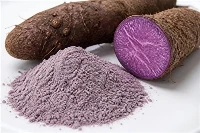
Blue butterfly pea powder has become increasingly popular in recent years for its unique color-changing properties and potential health benefits. Derived from the dried flowers of the Clitoria ternatea plant native to parts of Asia, this brilliant blue powder has been used for centuries in traditional medicine and cuisine. In this article, we will explore what exactly blue butterfly pea powder is, its key components, traditional and contemporary uses, applications in the food and beverage industry, and safety precautions for proper usage. The aim is to provide a comprehensive understanding of this fascinating natural ingredient and its diverse benefits and applications.

Understanding Blue Butterfly Pea Powder
Blue butterfly pea powder is made from the dried flowers of Clitoria ternatea, an herbaceous vine belonging to the Fabaceae family. Sometimes referred to as Asian pigeonwings or bluebellvine, the plant is native to many parts of Asia including India, Malaysia, Thailand and Indonesia. The vivid blue flowers contain high concentrations of anthocyanin pigments, which provide the intense blue hue. To make blue butterfly pea powder, the flowers are harvested, dried and ground into a fine powder which retains the blue color. The powder has been used for centuries in Ayurvedic and traditional Chinese medicine for purported health benefits like enhancing memory, reducing anxiety and regulating blood sugar levels[1]. The blue color is pH-sensitive, turning purple or pink when mixed with acidic liquids. This unique property has made it popular for use in food and beverages.
Key Components of Blue Butterfly Pea Powder
Several key phytochemical components have been identified in blue butterfly pea flowers and powder that may contribute to its health and medicinal benefits. These include:
1 Anthocyanins: The blue pigments that provide the intense color and have antioxidant properties[2].
2 Flavonoids: Compounds that also act as antioxidants and may have anti-inflammatory effects[3].
3 Hydrolysable tannins: Have antibacterial and anti-inflammatory effects[4].
4 Alkaloids: Naturally occurring compounds that may stimulate brain function[5].
Together, these components give blue butterfly pea powder many of its purported medicinal properties and health benefits. More scientific research is still needed to conclusively demonstrate efficacy and safety however.
Traditional Uses of Blue Butterfly Pea Powder
For centuries, blue butterfly pea flowers and powder have been used in various traditional medicine systems for a number of potential benefits:
Brain health - Believed to boost memory and cognitive function[6].
Anxiety relief - Thought to have anti-anxiety and calming effects[7].
Diabetes aid - Used traditionally to regulate blood sugar levels[8].
Hair growth - Applied topically to promote hair growth and reduce greying.
Given its deep cultural roots and long history of use, blue butterfly pea continues to be popular in many medicinal systems like Ayurveda. However, more clinical research is still needed to verify many of these traditional uses.
Contemporary Uses and Research on Blue Butterfly Pea Powder
In recent years, modern scientific research has tried to substantiate some of the traditional claims on blue butterfly pea powder and uncover new benefits:
Antioxidant properties - Studies show blue butterfly pea extracts exhibit antioxidant, anti-inflammatory and cytoprotective properties, which may help fight cell damage[9].
Skincare and beauty products - Creams, lotions and hair care products now integrate blue butterfly pea powder for purported anti-aging and hair growth effects.
Cognitive function - Early studies demonstrate potential nootropic and neuroprotective effects that may improve memory, learning and cognition[10].
While initial research shows promise, larger scale human trials are still required to conclusively prove many of the contemporary health claims made about this ingredient.
Applications in the Food and Beverage Industry
One of the most popular modern uses of blue butterfly pea powder has been as a food and drink additive. The applications include:
Natural food coloring - Used to add vibrant blue hues to dishes, pastries, ice cream etc. Allows avoidance of artificial food dyes.
Color-changing beverages - Adding blue pea powder to drinks like tea results in a dramatic color change from blue to purple when mixed with acidic liquids like lemon juice.
Cocktails - Blue pea powder is increasingly being used in colorful cocktails and mocktails for visual appeal.
Thanks to its visually striking color and natural origins, blue butterfly pea powder has become a trendy ingredient in cafes, bars and restaurants seeking to add visual flair and appeal to their offerings. It also allows consumers to avoid artificial additives.
Safety and Precautions
While generally recognized as safe, some precautions should be exercised when using blue butterfly pea powder:
- Possible side effects like nausea, cramping or bloating if consumed in excess.
- Pregnant women should exercise caution and consult doctors before use.
- May interact with medications for diabetes, hypertension, etc.
- Discontinue use if any irritation or allergies occur.
- Avoid giving to children except under medical supervision.
- Always follow dosage guidelines and consult your doctor, especially if you have any medical conditions.
As with any supplement, it's important to maintain safety first and consult medical professionals if unsure. Further research is still needed on any long-term effects.
Conclusion
In summary, blue butterfly pea is a natural ingredient with a long history of traditional use that is now experiencing a resurgence thanks to its visual appeal and potential health benefits. It contains beneficial phytochemicals that may provide antioxidant, anti-inflammatory and other therapeutic effects. More research is still needed however to substantiate many of its purported benefits, uses and long-term safety. When used properly and under supervision, blue butterfly pea powder holds promise as a naturally-derived additive to foods, drinks and beauty products. But careful precautions are advised, especially for those with pre-existing conditions. As with any supplement, consulting medical professionals is always recommended when using new ingredients to ensure safe and responsible usage.
Botanical Cube Inc. focuses on helping customers develop new and innovative formulas by offering professional technology and customized services. With an emphasis on global herbal medicine, health food, dietary supplements, food and beverages, daily chemical products, and cosmetics, we continuously follow market trends and expand our product offerings according to customer requirements. Our certification laboratory is equipped with advanced testing and identification tools, ensuring the best quality control throughout the entire system. We also collaborate with globally recognized third-party laboratories to ensure stable, safe, and efficient product quality. Botanical Cube Inc., a leading expert in the plant extract industry, offers the best Blue Butterfly Pea Powder. For more information about our products, feel free to contact us at sales@botanicalcube.com or visit our website. We believe that innovation is crucial for maintaining competitiveness in the market.
References:
[1] Tang, S.Y., & Tiong, K.H. (2017). Clitoria ternatea Linn: An overview on ethnobotany, phytochemistry and pharmacology. Pharmaceutical Biology, 55(1), 1278-1297.
[2] Kazuma, K., Noda, N., & Suzuki, M. (2003). Malonylated anthocyanins from blue flowers of Clitoria ternatea. Phytochemistry, 62(2), 413-419.
[3] Mukherjee, P.K., Kumar, V., Mal, M., & Houghton, P.J. (2007). Acetylcholinesterase inhibitors from plants. Phytomedicine, 14(4), 289-300.
[4] Karimi, E., Jaafar, H.Z., & Ahmad, S. (2011). Phytochemical analysis and antimicrobial activities of methanolic extracts of leaf, stem and root from different varieties of Labisa pumila Benth. Molecules, 16(6), 4438-4450.
[5] Jiang, Y., He, X., & Cheng, J. (2020). Ethnobotany, phytochemistry and pharmacology of genus Clitoria. Journal of Ethnopharmacology, 253, 112677.
[6] Manaharan, T., Ming, C.H., & Palanisamy, U.D. (2012). Tropical Plant Extracts as Potential Antihyperglycemic Agents. Molecules, 17(5), 5915–5923.
[7] Jiang, Y., He, X., & Cheng, J. (2020). Ethnobotany, phytochemistry and pharmacology of genus Clitoria. Journal of Ethnopharmacology, 253, 112677.
[8] Kazuma, K., Noda, N., & Suzuki, M. (2003). Malonylated anthocyanins from blue flowers of Clitoria ternatea. Phytochemistry, 62(2), 413-419.
[9] Manaharan, T., Palanisamy, U.D., & Ming, C.H. (2012). Tropical Plant Extracts as Potential Antihyperglycemic Agents. Molecules, 17(5), 5915-5923.
[10] Yusoff, N.A., Ahmad, S.H., Zainin, N.S., Razak, K.A., Beh, B.K., Tan, S.W., ... & Abdulla, M.A. (2019). Memory-Enhancing Activity of Clitoria ternatea in Rodents. Frontiers in Pharmacology, 10.