




Cranberries are one of nature’s most versatile superfoods. The small red berries are packed with vitamins, minerals, and potent plant compounds. While fresh cranberries can be tart, cranberry extract allows you to get a concentrated dose of their beneficial antioxidants. In this post, let’s explore what exactly cranberry extract is and the science behind its many potential health benefits.
What is Cranberry Extract?
Cranberry extract is derived from the juice or whole berries of the cranberry plant, Vaccinium macrocarpon. To make cranberry extract, the berries are crushed and undergo processing to concentrate the natural compounds.
Cranberry extract contains beneficial flavonoids like proanthocyanidins, anthocyanins, flavonols, and triterpenoids at much higher levels than the whole fruit (1). These compounds provide antioxidant, anti-inflammatory, and anti-microbial activities.
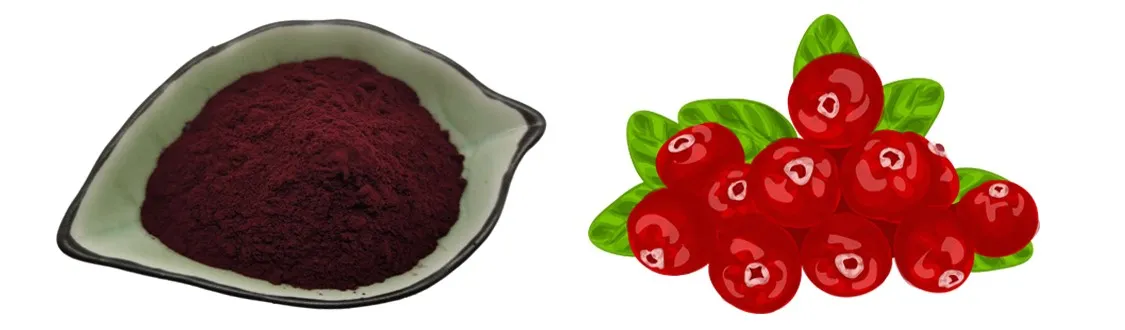
Popular forms of cranberry extract include concentrates, powders, and pills. They may be standardized to contain a certain percentage of key cranberry flavonoids. Concentrated cranberry extract packs the equivalent nutrients of multiple cranberries into just one pill or powdered serving.
Potential Health Benefits of Cranberry Extract
Research on bioactive compounds in cranberry extract suggests it may offer various wellness advantages. Here are some of the top potential health benefits:
Urinary Tract Health
Cranberries are most associated with urinary tract health. The proanthocyanidins in cranberry prevent bacteria like E. coli from adhering to the cells lining the urinary tract and bladder, reducing the risk of infection (2). Meta-analyses indicate cranberry juice or extract supplements may decrease the incidence of UTIs especially in women prone to recurrent infections (3).
Antioxidant Properties
Studies show cranberry extract exhibits significant in vitro antioxidant activity and helps lower oxidative stress in cells and live animal models. Polyphenol antioxidants may help protect lipids from oxidative damage and increase antioxidant capacity in plasma after consumption (4).
Heart Health
The anthocyanins and triterpenoids in cranberry extract demonstrate an ability to reduce cholesterol levels, blood pressure, and markers of cardiovascular inflammation in multiple studies (5). They may also inhibit platelet aggregation to support healthy blood flow. These benefits may lower the risk of atherosclerosis and cardiovascular disease.
Digestive Health
Early research indicates the phytochemicals in cranberry extract could support gastrointestinal health. Cranberries have shown a potential to inhibit H. pylori bacteria, reduce gastric inflammation, and alleviate symptoms of dyspepsia (6). More studies are still needed though.
Other Potential Uses
Skin health: The antioxidant and anti-inflammatory actions of cranberries may benefit the skin. Cranberry extracts are beginning to appear in anti-aging skincare products though more research is still needed (7).
Oral health: Proanthocyanidins may disrupt biofilms and reduce bacteria involved in cavities and gum disease. Cranberry juice has been studied for dental applications (8).
Neuroprotection: Emerging evidence suggests cranberry flavonoids may help reduce neuroinflammation and oxidative damage, protecting brain cells (9).
Clearly, cranberry extract shows significant promise in promoting overall wellness. But what are some precautions to consider with its use? Let’s take a look.
Side Effects and Considerations
Cranberry extract is considered very safe for most people. But some things to keep in mind:
- May interact with blood thinners - consult a doctor if taking warfarin
- Can irritate the stomach lining for those with gastritis or ulcers
- Large doses may cause upset stomach or diarrhea
- Drink plenty of water to avoid kidney stone risk
- Check for added sugar in juices and liquid extracts
Avoid exceeding the recommended dosage - a maximum of 1 gram daily from supplements is commonly suggested. Introduce slowly to assess individual tolerance. While minor, take note of any side effects like headache or nausea.
Take cranberry extract with food rather than on an empty stomach to minimize any stomach upset. Also, don’t take cranberry products 2 hours before or after medications as absorption may be affected.
Best Time to Take Cranberry Extract
The optimum time depends on your intended use:
- For urinary tract health - Take in the morning and/or before bed
- For antioxidant benefits - Consume with food at anytime
- For digestion - Take alongside meals or with digestive enzymes
Start your day with cranberry extract or add it to your nighttime routine for urinary tract benefits. Use alongside meals to enhance digestion or anytime for antioxidant support.
The vibrant bioactive compounds in cranberry extract offer a wide range of wellness advantages. Harness the unique benefits of this superfruit extract as part of your daily health promotion plan. Please let me know if you need any clarification or have additional questions!
In conclusion, cranberry extract is a powerful natural supplement with numerous potential health benefits. From promoting urinary tract health to supporting heart health, digestive health, and even skin health, cranberry extract has shown promise in various areas. However, it is important to use caution and follow recommended dosages, as well as consider any potential interactions or side effects. If you're interested in purchasing cranberry extract or learning more about our botanical products, Botanical Cube Inc., as an expert of Botanical Cube, can provide you with the most suitable Cranberry Extract price. For more information, please contact us at sales@botanicalcube.com or visit our website to learn more about our Cranberry Extract powder and other botanical products.
References:
1. Côté J, Caillet S, Doyon G, Sylvain JF, Lacroix M. Analyzing cranberry bioactive compounds. Crit Rev Food Sci Nutr. 2010 Aug;50(7):872-88. doi: 10.1080/10408390903151345. PMID: 20645831.
2. Liu Y, Gallardo-Moreno AM, Pinzon-Arango PA, Reynolds Y, Rodriguez G, Camesano TA. Cranberry changes the physicochemical surface properties of E. coli and adhesion with uroepithelial cells. Colloids Surf B Biointerfaces. 2008 May 1;65(1):35-42. doi: 10.1016/j.colsurfb.2008.02.012. Epub 2008 Mar 5. PMID: 18358553.
3. Wang CH, Fang CC, Chen NC, Liu SS, Yu PH, Wu TY, Chen WT, Lee CC, Chen SC. Cranberry-containing products for prevention of urinary tract infections in susceptible populations: a systematic review and meta-analysis of randomized controlled trials. Arch Intern Med. 2012 Jul 9;172(13):988-96. doi: 10.1001/archinternmed.2012.3004. PMID: 22777630.
4. Yan X, Murphy BT, Hammond GB, Vinson JA, Neto CC. Antioxidant activities and antitumor screening of extracts from cranberry fruit (Vaccinium macrocarpon). J Agric Food Chem. 2002 Oct 9;50(21):5844-9. doi: 10.1021/jf020228m. PMID: 12358452.
5. McKay DL, Blumberg JB. Cranberries (Vaccinium macrocarpon) and cardiovascular disease risk factors. Nutr Rev. 2007 Nov;65(11):490-502. doi: 10.1111/j.1753-4887.2007.tb00280.x. PMID: 18019988.
6. Shmuely H, Yahav J, Samra Z, Chodick G, Koren R, Niv Y, Ofek I. Effect of cranberry juice on eradication of Helicobacter pylori in patients treated with antibiotics and a proton pump inhibitor. Mol Nutr Food Res. 2007 Jun;51(6):746-51. doi: 10.1002/mnfr.200600205. PMID: 17546681.
7. Bodet C, Grenier D, Chandad F, Ofek I, Steinberg D, Weiss EI. Potential oral health benefits of cranberry. Crit Rev Food Sci Nutr. 2008 Aug;48(7):672-80. doi: 10.1080/10408390701675933. PMID: 18683195.
8. Singh AP, Lange TS, Kim KK, Brard L, Horan T, Moore RG, Vorsa N, Singh RK. Purified cranberry proanthocyanidines (PAC-1A) cause pro-apoptotic signaling, ROS generation, cyclophosphamide retention, and cytotoxicity in high-risk neuroblastoma cells. Int J Oncol. 2012 Jan;40(1):99-108. doi: 10.3892/ijo.2011.1197. Epub 2011 Oct 11. PMID: 21993591; PMCID: PMC3241583.
9. Feliciano RP, Shea MP, Shanmuganayagam D, Krueger CG, Howell AB, Reed JD. Comparison of isolated cranberry (Vaccinium macrocarpon Ait.) proanthocyanidins to catechin and procyanidins A2 and B2 for use as standards in the 4-(dimethylamino)cinnamaldehyde assay. J Agric Food Chem. 2012 Apr 18;60(15):3978-85. doi: 10.1021/jf204914a. Epub 2012 Apr 6. PMID: 22452478; PMCID: PMC3326724.