




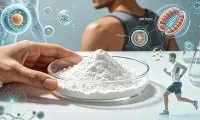
Siberian ginseng, also known as Eleutherococcus senticosus, is an herbal supplement that has been used in traditional medicine for centuries. As interest grows in integrative health approaches, Siberian ginseng has received attention from researchers and clinicians for its potential health benefits. This article will provide an overview of Siberian ginseng extract - what it is, its traditional uses, the science behind its purported benefits, and current perspectives on its applications for health and wellness. Understanding the origins, pharmacology, and proper uses of this herb is important for leveraging its therapeutic potential.

What is Siberian Ginseng Extract?
Siberian ginseng is a shrub that grows in southeastern Russia, northern China, Korea and Japan. The extract is typically derived from the root of the plant. It has a light tan color and an earthy, bittersweet flavor profile. Siberian ginseng contains compounds called eleutherosides, which are thought to give the plant its adaptogenic properties. Adaptogens help bring the body into homeostasis and better able to cope with various stressors. In addition to eleutherosides, Siberian ginseng contains polysaccharides, flavonoids, and vitamins and minerals.
On the market, Siberian ginseng extract can be found as powders, liquid extracts, capsules, and tablets. It has a shelf-life of about three years when properly stored away from moisture, heat, and sunlight. The origin and processing method of the extract can impact its chemical composition and therapeutic effects.
Traditional Uses and Cultural Significance
Indigenous tribes in Siberia reputedly used Siberian ginseng to increase stamina, performance, and quality of life. Traditional Chinese Medicine has utilized the herb for thousands of years as a tonic to invigorate qi, strengthen immunity, and prevent respiratory tract infections. In Traditional Korean medicine, it has been employed to support greater vitality and blood circulation. The cultural significance and traditional reverence for Siberian ginseng highlights its long history of therapeutic use across different regions. While folk practices may not always align with modern research, the ethnobotanical relevance of Siberian ginseng suggests it harbors important medicinal properties.
Health Benefits of Siberian Ginseng Extract
Siberian ginseng extract exhibits a number of science-backed health benefits:
May Have Adaptogenic Properties: Adaptogens enhance the body's capacity to cope with stress from mental, physical or environmental sources through modulating physiological functions. Multiple human studies indicate Siberian ginseng may help mediate stress response. For instance, one study found it helped normalize levels of cortisol – the key stress hormone. Through adaptogenic effects, the extract may improve stress resilience, fatigue, and quality of life related to chronic stress.
Supports Mental Performance: Components of Siberian ginseng like eleutherosides appear to have neuroprotective and nootropic effects – enhancing cognitive abilities. Human research suggests that siberian ginseng root extract may improve working memory, reaction times, abstract thinking and other measures of mental performance. These benefits make it promising for cognitive support and neuroprotection.
Boosts Immune Function: Siberian ginseng has a long history of use in preventing colds and flu. One extensive review noted studies showing the extract enhances immunity – increasing production of T-cells and lymphocytes. Active constituents in the extract directly stimulate immune cells involved in mounting defense against pathogens. Through these mechanisms, supplementing with Siberian ginseng seems to reduce risk and duration of respiratory infections.
Enhances Exercise Endurance: Through a combination of anti-fatigue, stress modulation, metabolic and circulatory effects some evidence suggests Siberian ginseng extract aids exercise capacity and endurance. These benefits are linked closely to its adaptogenic mechanism alongside direct impacts on muscles, cellular energy and oxygenation. While more research is warranted – Siberian ginseng shows promise for sports performance.
Siberian Ginseng Extract and Immune System Support
Given its reputation and use to prevent infections, extensive investigation has been dedicated to Siberian ginseng's capacity to modulate immunity. Several constituent compounds show immunostimulatory effects – increasing neutrophil production, T-cell counts and antibody synthesis. This armamentarium of immune weapons helps guard against pathogens.
Specifically, Siberian ginseng appears especially effective at bolstering mucosal immunity – enhancing production of IgA antibodies which defend against invading microbes in respiratory and GI passages. Research indicates it may also have immunomodulatory capacity – enhancing immune activity only when needed and preventing unchecked inflammation from runaway immune responses.
These varied effects suggest siberian ginseng root extract may help reduce risk and impact of certain bacterial and viral infections. More research is still needed, but the immunological impact aligns closely with traditional utilization against infectious illness. With further study, utilizing Siberian ginseng for immune support shows promise.
Siberian Ginseng Extract and Energy Enhancement
As mentioned, Siberian ginseng has an extensive history of use to ward off fatigue and increase energy levels. The mechanisms behind this include cumulative effects of bolstering the hypothalamic-pituitary-adrenal (HPA) axis to modulate cortisol, upregulating key enzymes in cellular energy pathways, improving blood flow and oxygenation, scavenging cell-damaging free radicals and defending against inflammation.
Siberian ginseng appears to increase capacity for mental and physical exertion while tempering perceptions of fatigue. Research indicates it can boost energy production from carbohydrates and fat – providing more fuel and lactic acid clearance in working muscles. It's also shown benefit for oxygen uptake and circulation – enhancing endurance capacity.
The net effect combines to not only provide more usable energy, but also counteract inflammation and toxins which signal the perception of exhaustion. Through this symphony of mechanisms, Siberian ginseng shows real potential to act as an ergogenic aid – improving energy efficiency and athletic efforts ranging from moderate exercise to extreme endurance sports.
Other Potential Health Benefits of Siberian Ginseng Extract
Beyond the benefits discussed above Siberian ginseng exhibits antiviral, hepatoprotective, antioxidative, osteoprotective, anti-inflammatory, analgesic, estrogenic and lifespan extending effects in cell cultures and animal research.
Ongoing human studies show its potential to mitigate complications from influenza infections, enhance blood flow which supports cardiovascular function, reduce markers of inflammation linked to numerous chronic diseases, moderate glucose levels and insulin sensitivity to prevent diabetes progression, protect brain cells from toxins and oxidation which may defend against dementia progression and enhance quality of life related to menopausal symptoms.
While larger clinical trials are still needed to confirm many of its proposed benefits, current signal certainly warrants further research across these areas. The remarkable versatility and safety observed in studies with Siberian ginseng ensures its use both clinically and as a supplement will continue expanding as the therapeutic evidence base grows.
Sources and Dosage of Siberian Ginseng Extract
Siberian ginseng extract is widely available from supplement retailers online and in stores, with liquid extracts and capsule being the most common dosing format used. Quality, chemical composition and biological activity can vary substantially based on part of plant used, harvest timing, extraction technique and contaminant exposure during manufacturing. Choosing extracts tested for specific Siberian ginseng biomarkers like eleutherosides is ideal.
Human trials use from 200 to 1000mg siberian ginseng root extract in one to multiple daily doses over at least eight weeks for therapeutic effects. For general health, most researchers suggest 300-500mg capsules or approximately 3-9mL liquid extract divided into 2-3 daily doses with food is effective. Due to its energizing effects, afternoon dosing is sometimes preferred. While mostly very safe, possible side effects involve headaches, dizziness, upset stomach or allergic reactions in predisposed individuals. Thus, starting with lower dosages and scaling up gradually while monitoring tolerance is advised. It should also be avoided in pregnancy or for those on immunosuppressant medications without medical guidance.
Conclusion
In summary, Siberian ginseng is an adaptogenic herb with an extensive therapeutic history and growing support through pharmacology and clinical research. It exhibits wide-ranging effects which provide promise in enhancing mental performance, exercise endurance, immune function and energy behind both physical and cognitive efforts. Ongoing studies continue demonstrating its health benefits span from bolstering immunity to cardiovascular and neuroprotective effects. While quality, dosing and safety require diligence – with sound evidence behind its versatility and mechanisms of action, the value of Siberian ginseng for health and prevention is becoming increasingly harder to ignore.
Embark on your healthy journey with the support of Botanical Cube Inc. We focus on customizing solutions for customers and have three independent R&D centers, constantly developing new projects. With satisfied customers in over 100 countries and regions and more than 500 industries, we are committed to providing excellent product quality and service.
Botanical Cube Inc. has been deeply involved in the plant extract industry for many years and is your reliable supplier. If you need Siberian Ginseng Extract Powder, contact us at sales@botanicalcube.com or visit our website to learn more about our best Siberian Ginseng Extract and other botanical products.
References:
1. Shin, B.-K., Kwon, S. W., & Park, J. H. (2015). Chemical diversity of ginseng saponins from Panax ginseng. Journal of Ginseng Research, 39(4), 287–298.
2. Sun, L., Isaak, C. K., Zhou, Y., Petkau, J. C., Liu, Y., Qiao, Y., ... Siow, Y. L. (2021). A Systematic Review of the Botany, Phytochemistry, Pharmacology, and Toxicology of Eleutherococcus senticosus. Frontiers in Pharmacology, 12.
3. Farnsworth, N. R., Kinghorn, A. D., Soejarto, D.D., & Waller, D. P. (1985). Siberian ginseng (Eleutherococcus senticosus): Current status as an adaptogen. In Economic and medicinal plant research (Vol. 1, pp. 156-215). Academic Press.
4. Davydov, M., & Krikorian, A. D. (2000). Eleutherococcus senticosus (Rupr. & Maxim.) Maxim.(Araliaceae) as an adaptogen: a closer look. Journal of ethnopharmacology, 72(3), 345-393.
5. Panossian, A., & Wikman, G. (2008). Effects of Adaptogens on the Central Nervous System and the Molecular Mechanisms Associated with Their Stress. Pharmaceuticals, 1(3), 188–224.