

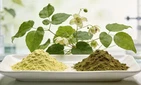
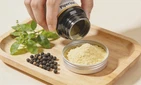

Berberine is a compound found in several plants such as goldenseal, Oregon grape, and barberry (1). It has been used in traditional Chinese medicine for many years to treat digestive issues and infections (2). More recently, research has shown berberine has potential benefits for heart health, blood sugar control, and other areas (3). This article reviews factors to consider when taking berberine supplements and examines different perspectives on the optimal timing for effectiveness and safety.

What is Berberine?
Berberine is a compound extracted from the roots, rhizomes, and stem bark of plants such as barberry, goldenseal, and tree turmeric (4). In the body, berberine acts as an alkaloid, giving it antimicrobial, anti-inflammatory, and antioxidant effects that can help treat gastrointestinal issues and high blood sugar levels (5). Potential benefits of berberine supplementation may include improving heart health markers, aiding weight loss, and reducing risk of disease - though more research is needed (6).
Factors to Consider When Taking Berberine
When taking berberine supplements, proper dosage and timing are important to consider for both effectiveness and safety. The common dosage recommendation is 900-2000 mg per day, usually split into three doses (7). Taking berberine with a meal may enhance absorption, as the compound utilizes some of the same pathways as dietary glucose (8).
Side effects at typical dosages are minimal but may include digestive upset, cramping or diarrhea when first starting treatment (9). Berberine should be avoided in pregnancy and when taking medications that slow blood clotting due to risks of bleeding or developmental issues (10).
1 Best Time to Take Berberine
Experts disagree on the optimal timing for taking berberine. Some argue taking it in the morning maximizes effects throughout the day, while others recommend evening doses line up with the body's natural metabolic rhythms.
a. Morning
Some functional medicine practitioners recommend taking berberine early in the day, either first thing in the morning or with breakfast (11). The rationale is that taking it early ensures stable levels in the body to exert beneficial effects all day long. Since berberine activates AMPk pathways similarly to exercise, taking it in the morning may mimic effects of fasting or exercise to reduce blood sugar and cholesterol (12).
b. Afternoon
Other experts suggest taking berberine supplements early afternoon, such as alongside lunch. This allows berberine to overlap with typical post-meal spikes in glucose and cholesterol, which it helps regulate (13). The afternoon timing may also coincide well with two smaller daily doses for sustained effects rather than one larger dose. However, research has not confirmed clear differences between morning and afternoon dosing times yet.
c. Evening
A third perspective highlights potential advantages of taking berberine supplements in the evening. The body's natural metabolic processes follow circadian rhythms aligned with digestion later in the day (14). Taking berberine before bed may therefore work synergistically with the body's innate metabolic patterns. This timing could be especially relevant for supporting healthy blood sugar regulation overnight during fasting periods. However, some people report discomfort or disrupted sleep when taking berberine in the evening that may outweigh potential benefits.
Expert Opinions and Clinical Studies
While some functional medicine practitioners share anecdotal reports of optimal berberine timing, evidence from clinical studies is limited. One study in patients with type II diabetes did show taking berberine powder three times per day immediately prior to or after meals helped regulate blood sugar spikes more than singled doses (15). However, specific times of day were not examined. Another study suggested single bedtime doses support blood sugar control over nigh with similar effectiveness to three daily doses (16). More research directly comparing different berberine dosing times is still needed though.
Practical Recommendations
When determining the ideal berberine timing and dosage protocol, experts emphasize starting low and gradually increasing as needed and tolerated (17). Consistency also matters - splitting one daily dose into smaller doses spread throughout the day enhances effects more than a single large dose. Most importantly, people should observe how their bodies respond at different times and adjust accordingly. Seeking guidance from an herbal medicine practitioner or doctor knowledgeable in botanical treatments can help identify optimal, personalized berberine timing.
People taking berberine for general wellness or blood sugar support may benefit most from consistent morning or afternoon dosing. However, those using berberine specifically to lower fasting blood glucose often find bedtime doses most effective. Athletes and active individuals attempting to maximize metabolic effects of berberine may prefer coordinating with exercise sessions. Regardless of goals, tracking biomarkers on and off berberine at different times can reveal the ideal timing and dosage.
Conclusion
In summary, experts disagree whether morning, afternoon, or evening works best for taking berberine powder. Observing personal responses and considering factors like exercise, meals, sleep, and desired effects allows determining ideal timing. Tracking biomarkers provides helpful objective data as well. However, research has not confirmed clear differences between timing protocols yet besides consistency and proper dosage mattering most. Consulting an herbal or functional medicine practitioner helps develop a personalized plan for optimal berberine timing and safety.
At Botanical Cube Inc., we focus on customizing solutions for customers and have three independent R&D centers, constantly developing new projects. With satisfied customers in over 100 countries and regions and more than 500 industries, we are committed to providing excellent product quality and service. If you're interested in Berberine Powder or other botanical products, consider reaching out to Botanical Cube Inc., a professional Berberine Powder manufacturer. Contact us at sales@botanicalcube.com or visit our website to learn more.
References
1. Tillhon,M., Guaman Ortiz,L.M., Lombardi,P., & Scovassi,A.I.( 2012). Berberine new perspectives for old remedies. Biochemical pharmacology, 84( 10), 1260 – 1267.
2. Küpeli Akkol,E., Bahadır Acıkara,O., Süntar,I., Ergene,B., & Saltan İşcan,G.( 2015). Quantitative determination of berberine in Herba Berberis and the morphological characters of Berberis species. South African Journal of Botany, 97, 165- 172.
3. Domitrović,R., Jakovac,H., Romić,Z., Rahelić,D., & Blažeković,B.( 2012). Berberis vulgaris root excerpt alleviates the adverse goods of cyclophosphamide on manly reproductive system in rats. Food and chemical toxicology, 50( 3- 4), 1156 – 1161.
4. Singh,A., & Duggal,S.( 2009). Berberine Alkaloid with Wide Diapason of Pharmacological Conditioning. Journal of natural products, 74( 3).
5. Zhang,Y., Li,X., Zou,D., Liu,W., Yang,J., Zhu,N.,. Wang,G.( 2008). Treatment of type 2 diabetes and dyslipidemia with the natural factory alkaloid berberine. The Journal of clinical endocrinology and metabolism, 93( 7), 2559 – 2565.
6. Hu,Y., Ehli,E.A., Kittelsrud,J., Ronan,P.J., Munger,K., Downey,T.,. Davies,G.E.( 2012). Lipid- lowering effect of berberine in mortal subjects and rats. Phytomedicine, 19( 10), 861 – 867.
7. Jellin,J., Gregory,P.J., Batz,F., Hitchens,K., etal.( 2018) druggist's Letter/ Prescriber's Letter. Natural Medicines. https//naturalmedicines.therapeuticresearch.com.
8. Wang,K., Feng,X., Chai,L., Cao,Y., Qiu,F., & Yan,F.( 2017). The metabolism of berberine and its donation to the pharmacological goods. medicine metabolism reviews, 49( 2), 139 – 157.
9. Raffa,R.B.( 2015). A proposed medium for the vasodilator action of berberine. Journal of clinical drugstore and rectifiers, 40( 5), 529 – 533.
10. Abdel- Hamid,M.E., Nazmy,M.H., Mahmoud,A.H., Fawzy,M.A., Younis,L.K., & Shaheen,M.A.( 2016). Genotoxicity evaluation of berberine in mortal lymphocytes using comet assay. Journal of salutary supplements, 13( 3), 224 – 235.
11. Mancini,D.( 2019). Berberine important Blood Sugar Management More.Dr. Mancini. https//drmancini.com/berberine-powerful-blood-sugar-management-more/
12. Cicero,A.F., Tartagni,E., & Ertek,S.( 2012). Anticholesteremic exertion of berberine Mechanisms of action and preclinical substantiation. High blood pressure & cardiovascular forestallment, 19( 5), 245 – 252.
13. Zhang,H., Wei,J., Xue,R., Wu,J.D., Zhao,W., Wang,Z.Z., Wang,S.K., Zhou,Z.X., Song,D.Q., Wang,Y.M., Pan,H.N., Kong,W.J., & Jiang,J.D.( 2010). Berberine lowers blood glucose in type 2 diabetes mellitus cases through adding insulin receptor expression. Metabolism clinical and experimental, 59( 2), 285 – 292.
14. Kalsbeek,A., la Fleur,S., & Fliers,E.( 2014). Circadian control of glucose metabolism. Molecular metabolism, 3( 4), 372 – 383.
15. Yin,J., Xing,H., & Ye,J.( 2008). efficacity of berberine in cases with type 2 diabetes mellitus. Metabolism clinical and experimental, 57( 5), 712 – 717.
16. Zhang,H., Wei,J., Xue,R., Wu,J.D., Zhao,W., Wang,Z.Z., Wang,S.K., Zhou,Z.X., Song,D.Q., Wang,Y.M., Pan,H.N., Kong,W.J., & Jiang,J.D.( 2010). Berberine lowers blood glucose in type 2 diabetes mellitus cases through adding insulin receptor expression. Metabolism clinical and experimental, 59( 2), 285 – 292
17. Birdsall,T.C.( 1998). Berberine Therapeutic Implicit of an Alkaloid set up in Several Medicinal shops. Alternative Medicine Review, 2( 2), 94- 103.