




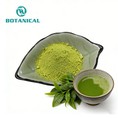


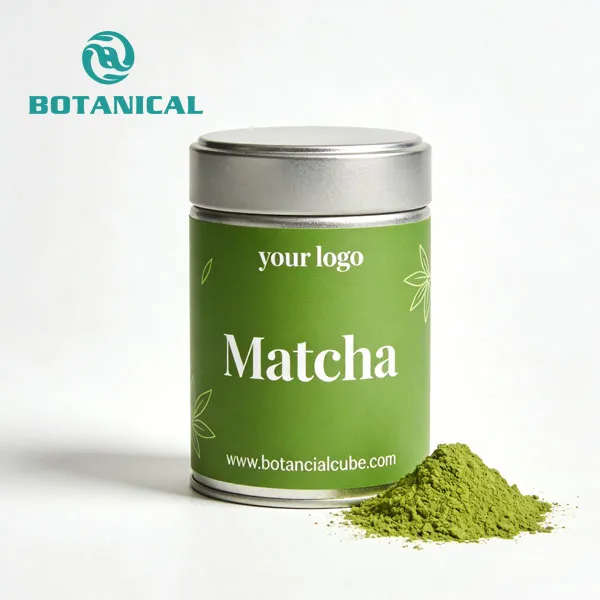


Organic Matcha Powder – Premium Stone-Ground Japanese Green Tea
Our organic matcha powder is carefully produced from young tea leaves grown in Japan under strict organic farming practices. It is stone-ground into a vibrant green, fine powder with a rich umami flavor, ideal for beverage manufacturers, bakery products, and dietary supplement formulations.
This high-quality matcha powder ensures consistent color, flavor, and bioactive compound content, making it a reliable choice for bulk supply and functional product development.
Key Features & Benefits
- Certified Organic & Non-GMO – USDA Organic, EU Organic, and Kosher certified.
- Rich in Bioactive Compounds – High in antioxidants, catechins, and L-theanine for functional formulations.
- Premium Quality Powder – Fine particle size, vibrant green color, easy to dissolve in beverages or food products.
- Consistent Supply for Manufacturers – Bulk packaging available for industrial use.
Key Active Compounds & Functional Value
Organic matcha powder contains naturally balanced bioactive compounds, making it an excellent ingredient for functional foods and beverages:
- Catechins (EGCG) – Powerful antioxidants supporting product health claims.
- Natural Caffeine – Provides clean, sustained energy without jitters.
- L-theanine – Promotes calm focus and mental clarity.
- Chlorophyll – Supports detox-friendly positioning and vibrant green color.
- Complete Leaf Nutrition – Using the whole leaf ensures a richer nutrient profile compared to brewed green tea extracts.
Why Our Organic Matcha Powder?
1. Consistent chlorophyll and pigment index:
We guarantee a pigment index of L ≤ 40 and a ≥ -5, ensuring a deep emerald green color in every batch - perfect for color-critical applications such as beverages, ice cream or skin care formulations. Many suppliers produce dark, yellow-green products due to improper shading or improper harvesting.
2. Standardized EGCG and caffeine ratio:
Our matcha powder maintains an EGCG content of 60-80 mg/g, which is much higher than regular culinary grade matcha powder (about 30 mg/g). In addition, we control the ratio of L-theanine to caffeine to about 2:1, creating a smoother energy curve.
3. Ultra-fine particle size for seamless dissolution:
Our powder is ground to 1000 mesh (≤15μm) to ensure a smooth, particle-free experience in water-based solutions or emulsions - which is critical for functional beverages and ready-to-drink applications.
4. Low Microbial Load, No Irradiation Required:
Thanks to our low temperature steam sterilization process, our total colony count is less than 1000 CFU/g, while avoiding gamma irradiation. Many organic buyers now refuse to use gamma irradiation due to controversy over its effect on nutrient retention.
Matcha Quality Standards
Matcha is not a one-size-fits-all ingredient.Its quality, purity, and application vary depending on cultivation methods, processing standards, and regulatory requirements across different markets.To help our partners select the right grade for different applications-from food manufacturing to premium beverage formulation-we have summarized the key quality standards below.
| Comparison Factors | Standard Matcha | EU-Compliant Matcha | Organic Certified Matcha |
|---|---|---|---|
| Market Position | Entry-level daily use | Premium export-grade quality | High-end organic & clean-label market |
| Pesticide Screening | 112 testing items | 500+ testing items | Strict organic cultivation standards |
| Pesticide Residue Control | Meets standard safety limits | Extremely strict EU residue requirements | No synthetic pesticide usage |
| Lead (Pb) Limit | ≤ 5.0 mg/kg | ≤ 3.0 mg/kg | ≤ 3.0 mg/kg |
| Cultivation Method | Traditional shade-grown | Cleaner cultivation management | Organic farming + ecological soil management |
| Certification & Traceability | Standard compliance based | Third-party testing reports available | Certified organic with full traceability |
| Recommended Applications | Food ingredients & beverages | Functional foods & international retail | Premium wellness, organic products, clean-label brands |
From Shaded Tea Gardens To Fine Matcha Powder
High-quality matcha begins in the tea garden. Our tea leaves are sourced from managed tea gardens in China, including established cultivation areas in Wuhan. Before harvest, the tea plants are shaded for a period of time to reduce direct sunlight exposure, supporting chlorophyll development and contributing to the deep green color and smooth taste of matcha.
Once the leaves reach the ideal harvesting stage, fresh tea leaves are collected and selected based on leaf color, freshness, and overall condition. During peak harvest periods, mechanical harvesting may also be used to support efficiency and maintain stable raw material supply for large-scale production.
After harvesting, the leaves are steamed, dried, sorted, and finely milled into matcha powder. The process is managed to maintain batch consistency for OEM, private label, and long-term ingredient supply.


Matcha Grade
Different grades of matcha are developed for different end uses.From industrial food applications to premium ceremonial drinking, each grade represents a specific balance of flavor, color, and purity.
| Grade | Mesh Size | Key Advantages | Application |
|---|---|---|---|
| Culinary Grade | 80–100 mesh | Strong stability in high-temperature processing, cost-effective, good color retention in baked products | Baking, desserts, cooking, industrial food |
| Café Grade | 100–120 mesh | Good solubility, balanced taste, stable foam performance in milk-based drinks | Lattes, smoothies, milk tea, beverage formulations |
| Ceremonial Grade | 120–150 mesh | Fine texture, better solubility, smooth umami taste, low bitterness | Direct drinking, premium beverages |
| Premium Ceremonial Grade | 150–200 mesh | Ultra-fine powder, instant solubility, vibrant green color, high umami richness | High-end drinking, wellness drinks, premium retail |
| EU-Compliant Grade | 100–150 mesh | Meets strict EU residue standards, stable quality consistency, suitable for export markets | EU market food & beverage applications |


COA
| Test Item | Specification | Result |
|---|---|---|
| Physical & Chemical Analysis | ||
| Appearance | Fine green powder | Conforms |
| Color | Bright vibrant green | Conforms |
| Particle Size | 800 mesh | Conforms |
| Moisture Content | ≤5.0% | 3.2% |
| Ash Content | ≤4.0% | 2.8% |
| pH (1% solution) | 6.0 - 7.5 | 6.8 |
| Active Components | ||
| Total Polyphenols | ≥30.0% | 32.5% |
| Catechins | ≥15.0% | 16.8% |
| EGCG | ≥10.0% | 11.2% |
| Caffeine Content | 2.0% - 4.5% | 3.6% |
| L-Theanine | ≥1.5% | 1.8% |
| Microbiological Analysis | ||
| Total Plate Count | ≤10,000 CFU/g | 2,100 CFU/g |
| Yeast & Mold | ≤100 CFU/g | 50 CFU/g |
| E. Coli | Negative | Negative |
| Salmonella | Negative | Negative |
| Staphylococcus | Negative | Negative |
| Heavy Metals | ||
| Lead (Pb) | ≤1.0 ppm | 0.28 ppm |
| Arsenic (As) | ≤1.0 ppm | 0.14 ppm |
| Cadmium (Cd) | ≤0.5 ppm | 0.06 ppm |
| Mercury (Hg) | ≤0.1 ppm | 0.02 ppm |
| Pesticide Residues | EU & USDA Organic Standard | Conforms |
Marcha Production Process
1️⃣ Selection of Young Tea Leaves
Pick the tender buds and leaves from certified organic tea gardens in Japan to ensure pure, vibrant green powder.
2️⃣ Steaming
Steam leaves immediately to preserve color, flavor, and nutrients.
3️⃣ Drying & Milling
Low-temperature drying followed by stone grinding into fine powder, retaining aroma, nutrients, and bright green color.
4️⃣ Quality Control
Conduct strict testing for moisture, particle size, color, and bioactive compounds to ensure consistent, premium quality.
5️⃣ Packaging
Pack in vacuum-sealed bags or bulk containers, ready for industrial supply and OEM orders.

Applications & Recommended Usage
1. Tea beverages & lattes – 1–2 g per serving for a vibrant color and smooth flavor.
2. Bakery & confectionery products – 0.5–2% of total batter/mixture; adds natural green color and mild umami.
3. Smoothies & nutritional supplements – 1–3 g per serving for functional antioxidant benefits.
4. Ice cream & desserts – 0.5–1.5% of total weight for natural color, flavor, and bioactive compounds.
5. Savory recipes – 0.2–1% as a seasoning or ingredient to enhance color and nutrition.
*Note: Usage can vary depending on desired flavor intensity, product formulation, and regulatory limits.
FAQs
Q1: What is the difference between matcha powder and regular green tea powder?
A: Matcha uses whole young leaves stone-ground into fine powder, offering higher catechins, L-theanine, and chlorophyll content, while regular green tea powders are often made from older leaves or extracts.
Q2: How much matcha powder should I use for beverages or food products?
A: Typical usage ranges: 1–2 g per serving for drinks, 0.5–2% for bakery, 1–3 g for supplements, depending on desired flavor and color.
Q3: Can I use this matcha powder in commercial beverage or bakery production?
A: Yes, it is produced in GMP-compliant facilities, bulk packaging is available, and quality is consistent for industrial applications.
Q4: Does matcha powder retain nutrients after processing?
A: Yes, stone-ground matcha preserves catechins, L-theanine, and chlorophyll, offering functional benefits not found in brewed green tea extracts.
Q5: What certifications do you have for bulk supply?
A: USDA Organic, EU Organic, Kosher certified; full traceability and COA provided for each batch.
Q6: Can I get private label or OEM services?
A: Yes, we provide flexible bulk supply and OEM/Private Label services, suitable for beverages, bakery, supplements, and functional products.
Reliable Matcha Supplier for Your Products
We provide bulk Organic Matcha Powder with consistent quality and full certifications, ready for beverages, bakery, supplements, and other formulations. Work with a supplier you can trust.Contact us at sales@botanicalcube.com for orders or OEM inquiries.
Hot Tags: organic matcha powder, China, suppliers, manufacturers, factory, wholesale, price, bulk, discount