


At Botanical Cube, we work with ingredient buyers and product developers considering ginger extract for food applications. For frozen desserts, the discussion usually begins with a practical question: can we introduce a ginger ingredient without compromising the intended flavor and texture?
Water-soluble ginger extract standardized to 1% gingerol is a grade to evaluate for these projects. Its suitability depends on the complete recipe, processing conditions and finished-product requirements.In this guide, we explain what we recommend checking before using it in ice cream, sorbet, frozen yogurt or plant-based frozen desserts.

Why Consider Ginger Extract for Frozen Desserts?
1. Developing a Ginger Flavor Profile
Ginger offers a direction for frozen desserts that combine sweetness with a warming sensory note. Potential concepts include ginger and vanilla ice cream, mango and ginger sorbet, or honey and ginger frozen yogurt.We recommend assessing the ingredient in the intended base rather than judging its flavor from the powder alone. The final decision should reflect the desired ginger character, pungency, aftertaste and overall balance.A standardized gingerol assay provides a purchasing reference. It does not fully describe aroma or guarantee an identical sensory response across different recipes.
2. Comparing Extracts With Whole Ginger Ingredients
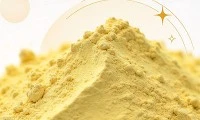
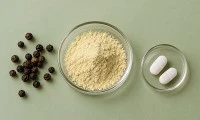
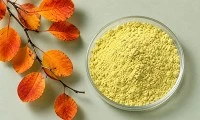
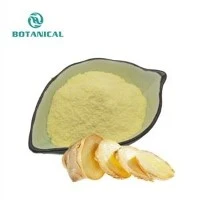
Fresh ginger, ginger juice, ground ginger and standardized extracts provide different formulation options.Fresh or ground ginger may be appropriate when a recipe intentionally includes visible plant material. A water-soluble extract is worth evaluating when developers want an ingredient that can be incorporated into the liquid phase.We compare these options using the actual specification and sample performance. An extract should not be treated as a direct weight-for-weight replacement for fresh ginger or dried ginger powder.
What Does the 1% Gingerol Specification Mean?
1. Active Content and Ingredient Composition
The 1% specification identifies the stated gingerol concentration. Buyers should confirm the assay definition, analytical method and acceptance limits in the specification and batch Certificate of Analysis.We also recommend reviewing the complete composition, including any carriers or other formulation ingredients. These details matter for recipe calculations, ingredient declarations and supplier qualification.The assay alone does not establish solubility, flavor intensity or performance during frozen storage.
2. Water-Soluble and Higher-Assay Grades
We supply a water-soluble 1% gingerol grade, alongside non-water-soluble 5%, 10% and 20% gingerols grades.For frozen desserts, these materials should be assessed separately. A higher gingerol concentration does not automatically make an ingredient more suitable for a water-based mix.We recommend choosing a sample based on the intended application, required gingerol content, flavor target and processing conditions.
Potential Frozen Dessert Applications
We use the following concepts as starting points for development discussions. They are application ideas, rather than validated commercial recipes.
| Application | Possible flavor direction | Main evaluation points |
|---|---|---|
| Ice cream or gelato | Ginger–vanilla, ginger–chocolate | Flavor balance, distribution, texture and melting behavior |
| Fruit sorbet | Mango–ginger, lemon–ginger, pineapple–ginger | Acidity, pungency, color and storage performance |
| Frozen yogurt | Honey–ginger, lemon–ginger | Compatibility with the acidic base, aftertaste and texture |
| Plant-based frozen dessert | Coconut–ginger, oat–ginger | Base flavor, dispersion, separation and frozen texture |
1. Ice Cream and Gelato
For dairy-based products, we recommend evaluating the extract within the complete mix and tasting it after freezing.The development objective may be a mild ginger note or a more pronounced warming finish. Those targets require separate sensory trials.We would not assume that successful incorporation also improves texture or shelf life. These outcomes need their own measurements.
2. Sorbet
For fruit sorbets, we recommend assessing the extract alongside the selected fruit, sugar system and acidity.An ingredient that performs well in water may behave differently in a concentrated fruit base. Record mixing behavior, visible particles, flavor balance and any changes during storage.
3. Frozen Yogurt and Plant-Based Desserts
For frozen yogurt, we recommend compatibility testing in the actual fermented base. For plant-based products, testing should use the intended coconut, oat, soy or other base.We avoid extending a result from one recipe to every product in the category. Each formula needs its own acceptance criteria.
How We Recommend Planning a Formulation Trial
1. Establish a Control Batch
Begin with the existing dessert base without ginger extract. This provides a reference for assessing flavor, appearance, texture and melting behavior.
Keep the remaining recipe and processing conditions consistent when comparing test batches.
2. Evaluate Several Inclusion Levels
We recommend a small series of measured additions selected with the formulation team, rather than treating one percentage as suitable for every dessert.Calculate additions against the total mix weight and document them accurately. The preferred level should follow sensory evaluation, ingredient requirements and the intended market.A standardized 1% assay does not establish a universal food-use level.
3. Assess the Mixing Method
A separate pre-mix with part of the liquid phase can be evaluated before incorporation into the full batch.Record the liquid used, temperature, mixing time and order of addition. Check for visible particles, sediment or uneven distribution.The addition stage should fit the manufacturer's validated production process. Adding the extract before heating should not be presented as a universal requirement.
4. Taste the Finished Frozen Product
We recommend assessing the dessert at its intended serving temperature and again as it melts.Record ginger intensity, pungency, sweetness balance, aftertaste and overall acceptability. Evaluate texture separately so a flavor preference is not mistaken for a structural improvement.
Heat, Acidity and Frozen Storage
1. Verify Stability Under Actual Conditions
Research on gingerol and shogaol in aqueous solutions found that their behavior depended on temperature and pH. This means we should not assume complete retention during processing or universal stability in acidic products. The study did not test this commercial ingredient in frozen desserts.For a commercial project, we recommend evaluating the actual heating profile, holding time, recipe acidity and storage conditions.If retained gingerol content is part of the finished-product specification, an appropriate analytical assessment is needed.
2. Keep Solubility Separate From Ice Crystal Control
Water solubility does not demonstrate that an ingredient prevents ice crystal growth.Research in ice cream model systems has examined the roles of stabilizers and proteins in ice recrystallization. Those findings cannot be transferred to ginger extract without direct testing. PubMedWe therefore treat the ginger ingredient as a component to evaluate within the existing dessert system. Any claim about smoother texture, smaller ice crystals or longer shelf life requires product-specific evidence.
3. Plan a Storage Study
We recommend defining storage conditions, sampling intervals and acceptance criteria before beginning the trial.
Depending on the product, evaluation may include:
- Ginger flavor and aftertaste.
- Color and visible separation.
- Texture, iciness and melting behavior.
- Gingerol content, where required.
- Finished-product quality and microbiological criteria.
- A shelf-life statement should follow the results of the complete product assessment.
Quality Documents to Review Before Ordering
1. Specification and Batch COA
We recommend checking the gingerol assay, analytical method, composition, moisture limits and relevant physical characteristics.The batch COA should identify the supplied lot and report results against the agreed specification.For water-solubility requirements, request the test conditions so your team can reproduce the assessment.
2. Supporting Testing
For supplier qualification, discuss available documentation for heavy metals, microbiological quality, pesticide residues, PAHs and ETO-related requirements.We recommend agreeing on required reports and acceptance limits before placing the order. Confirm which documents apply to the selected grade and batch.
3. Composition and Labeling Information
Descriptions such as "clean label," "carrier-free" or "preservative-free" should follow the documented composition.We recommend reviewing the full ingredient information against your product brief before using those descriptions in purchasing or marketing materials.

Bulk Ginger Extract and OEM Support From Botanical Cube
We supply water-soluble ginger extract standardized to 1% gingerol for evaluation by food manufacturers, ingredient distributors and product development teams.For frozen dessert projects, share your product type, base composition, processing conditions and preferred ginger flavor intensity. We can discuss sample requirements, specifications, available quality documents and bulk supply options.
We also support OEM and private-label inquiries. For these projects, include your intended product format, packaging, estimated quantity and target market so we can review the scope and available customization options.
Contact sales@botanicalcube.com to request samples, COA, specifications or bulk pricing. Include your application and procurement requirements so we can prepare a relevant response.
References
[1] Bhattarai, S., Tran, V. H., & Duke, C. C. (2001). The stability of gingerol and shogaol in aqueous solutions. Journal of Pharmaceutical Sciences, 90(10), 1658–1664. DOI: 10.1002/jps.1116.
[2] Regand, A., & Goff, H. D. (2002). Effect of biopolymers on structure and ice recrystallization in dynamically frozen ice cream model systems. Journal of Dairy Science, 85(11), 2722–2732. DOI: 10.3168/jds.S0022-0302(02)74359-2.