




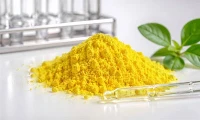
In the rapidly growing global functional nutrition market, natural superfoods and antioxidant ingredients are driving product innovation. For dietary supplement brands, sports nutrition enterprises, and functional beverage developers, two specific ingredients consistently top the formulation pipeline: Astaxanthin and Spirulina.While both are celebrated as natural antioxidant powerhouses, their biological mechanisms, market positioning, target demographics, and commercial values differ significantly.
As a product manager or brand owner, you face a critical decision: Which component aligns better with your next-generation product strategy? Which offers higher ROI and greater supply chain stability? In this article, we take a closer look at both ingredients-from how they work scientifically, to how they perform in real formulations and supply chains-so you can better judge which one fits your product strategy.

What Is Astaxanthin and How Does It Work as an Antioxidant?
1. Origins and Commercial Sources
Commercial astaxanthin is primarily derived from the microalgae Haematococcus pluvialis
[1]. When exposed to environmental stress like intense UV light or salinity, this microalgae enters a resting stage and accumulates massive amounts of astaxanthin as a survival mechanism against photo-oxidation. This red pigment moves up the marine food chain, giving wild salmon, trout, and flamingos their characteristic pink color.
2. Biological Mechanism of Action
Astaxanthin is a fat-soluble xanthophyll carotenoid. Its unique chemical structure features elongated polar head groups connected by a non-polar conjugated polyene chain. This allows the molecule to span the entire cell membrane bilayer vertically, aligning perfectly with cell phospholipids [1].
Unlike other antioxidants that remain strictly inside or outside the cell, astaxanthin protects both the inner and outer lipid layers simultaneously. It quenches reactive oxygen species (ROS) and free radicals directly within the cell membrane, preventing lipid peroxidation and preserving cellular integrity.

3. Primary Applications and Market Demographics
Because of its focused, highly potent biological activity, astaxanthin functions as a targeted specialist ingredient.
| Application Sector | Primary Formulation Target |
| Healthy Aging | Cellular longevity, reduction of systemic oxidative stress |
| Nutricosmetics | UV-induced photo-aging protection, skin elasticity, moisture retention |
| Ocular Health | Mitigation of blue-light stress, reduction of ciliary muscle fatigue [2] |
| Sports Nutrition | Mitigation of exercise-induced muscle damage, lactic acid reduction |
What Is Spirulina and How Does It Work as a Nutrient Source?
1. Origins and Complex Nutritional Spectrum
Spirulina (Arthrospira platensis) is a microscopic, spiral-shaped blue-green alga (cyanobacteria) that grows naturally in warm, alkaline freshwater lakes. Unlike single-function extracts, spirulina is a whole-food biomass. It offers a dense matrix of macro- and micronutrients rather than a single isolated molecule.
Spirulina Nutritional Composition:
- Crude Protein (60-70%): A complete plant-based protein source containing all essential amino acids, boasting high digestibility due to its lack of cellulose cell walls.
- Phycocyanin (10-15%): The primary light-harvesting pigment complex unique to blue-green algae, acting as a potent water-soluble antioxidant and immune modulator.
- Essential Fatty Acids: Exceptionally rich in Gamma-Linolenic Acid (GLA), an important anti-inflammatory omega-6 fatty acid.
- Micronutrients: High natural concentrations of bioavailable iron, Vitamin B12, and beta-carotene.
2. Core Health Benefits and Scientific Validation
Spirulina functions as a foundational functional ingredient, offering broad systemic benefits validated by major global health authorities:
- Immune System Modulation: Clinical studies demonstrate that spirulina significantly increases the activity of natural killer (NK) cells and enhances macrophage phagocytosis [3].
- Cardiovascular and Metabolic Support: Research indicates that daily intake of spirulina helps regulate lipid profiles by lowering low-density lipoprotein (LDL) cholesterol and supporting healthy blood pressure [4].
- Anemia and Vitality: The World Health Organization (WHO) and the Food and Agriculture Organization (FAO) recognize spirulina as an exceptional nutritional tool for combating iron-deficiency anemia due to its highly absorbable iron matrix.

Direct Scientific and Formulation Comparison
To properly position these ingredients in your product portfolio, it is essential to look past basic antioxidant marketing claims and analyze their technical differences.
| Metric | Astaxanthin | Spirulina |
| Raw Material Nature | Isolated carotenoid extract | Whole-food algal biomass |
| Primary Active Unit | Pure Astaxanthin molecule | Complex matrix (Protein + Phycocyanin) |
| Antioxidant Potency | Exceptionally high (Singlet oxygen quenching) | Moderate-High (Broad-spectrum radical scavenging) |
| Nutritional Density | Specific therapeutic target | Comprehensive micro- and macronutrients |
| Formulation Spectrum | Narrow (Mainly oil capsules/softgels) | Exceptionally broad (Powders, solids, liquids) |
| Input Cost per Kilo | High commodity value | Economical, scalable value |
| Target Consumer | Premium anti-aging, specific clinical targets | Mass market, clean label, vegan, sports, families |
The Formulation Reality
Astaxanthin acts as a Specialist Ingredient. It delivers targeted, premium therapeutic benefits at very low inclusion rates (typically 4mg to 12mg per serving).Spirulina serves as a Foundational Functional Ingredient. It provides a robust, nutrient-dense base that clean-label brands can use to establish the core nutritional value of a product, often serving as the primary bulk component in a formulation (1g to 5g per serving).
Market Data: The Accelerated Growth of Spirulina
While premium niche ingredients face rising raw material costs and shifting consumer spending habits, spirulina continues to experience steady market growth worldwide.
According to data compiled from leading industry intelligence firms like Grand View Research and MarketsandMarkets, the global spirulina market was valued at approximately USD 612 million and is projected to expand at a compound annual growth rate (CAGR) of 9.4%, reaching an estimated USD 1.15 billion [5].

Four key macro-economic drivers are fueling this consistent demand among business-to-business procurement buyers:
- The Plant-Based and Vegan Surge: As consumers move away from animal-derived nutrients, spirulina provides a natural, allergen-free source of complete protein and bioavailable iron.
- The Evolution of Clean Labels: Brands want to clean up their ingredient decks. Spirulina provides a recognizable, whole-food name that replaces synthetic vitamin packs and artificial colors like FD&C Blue No. 1 through its natural phycocyanin content.
- Industrial Sustainability Trends: Consumers care about environmental impact. Microalgae cultivation uses significantly less fresh water and arable land per kilogram of protein produced compared to traditional terrestrial crops, giving brands a compelling ESG (Environmental, Social, and Governance) narrative.
- Sports Nutrition Diversification: The "Greens Powder" category has transitioned from a specialty niche into mainstream sports nutrition, with spirulina acting as a core ingredient in daily wellness and recovery blends.
Product Development and Application Spectrum
From an industrial processing and R&D perspective, raw materials must adapt easily to modern manufacturing processes without degrading during production.
| Finished Product Format | Astaxanthin Integration | Spirulina Powder Integration |
| Hard Gelatin/Veggie Capsules | Requires stabilized beadlets or powder dilution | Standard powdered format filling |
| Pressed Tablets | Difficult; requires specialized direct-compression matrices | Excellent binding properties; compresses smoothly |
| Gummies | Viable with micro-encapsulated oils; requires heat stability checks | Viable using concentrated phycocyanin extracts |
| Protein & Meal Replacement Blends | Impractical due to high cost and strong red staining | Ideal; boosts amino acid profiles and adds natural green color |
| Functional Beverages & RTDs | Poor; oil format causes separation issues without nano-emulsions | Excellent; high water solubility when processed at correct mesh sizes |
| Functional Snacks & Bars | Not recommended due to oxidation risks | Highly stable; ideal for healthy whole-food snack formulations |
Spirulina offers a versatile application footprint. While astaxanthin is typically limited to softgels or oily formulations due to its sensitive, hydrophobic nature, spirulina powder integrates smoothly into bulk powders, nutritional bars, extruded snacks, and functional beverages.

Supply Chain Factors: Cost, Stability, and Scalability
For procurement managers, choosing an ingredient goes beyond its nutritional profile. A successful product launch requires a reliable supply chain that can handle large production volumes.
1. Raw Material Cost Analysis
Astaxanthin is an expensive, low-yield ingredient that requires intensive extraction, purification, and stabilization processes. This limits its use to low-dose, high-margin premium products.
Spirulina is cultivated in scalable, open-pond systems. This efficient agricultural scale drives down manufacturing costs, allowing brands to use it generously as a foundational base without squeezing product margins.
2. Supply Chain Resilience
When you source your raw materials, you need a manufacturing partner that guarantees batch-to-batch consistency. Our team at Botanical Cube Inc. brings nearly 20 years of dedicated R&D and production experience to the botanical and algal extraction space.
By operating specialized cultivation facilities and utilizing advanced harvesting technology, we protect our supply chain from the price volatility and quality swings often found with uncertified, third-party brokers.
3. Processing and Formulation Flexibility
High-quality spirulina powder must be milled to exact technical specifications to prevent separation or grittiness in finished products. Our standardized production processes yield a highly soluble, fine-mesh powder with a mild flavor profile. This allows product developers to incorporate functional dosages into beverage mixes and green powders without altering the final taste or texture.
Why Spirulina is the Resilient Choice for Brands
If your brand is designing a targeted, single-benefit product for intense anti-aging or targeted eye care, astaxanthin remains a valuable choice. However, for companies looking to capture broader consumer markets, maximize application versatility, and secure healthy margins, Spirulina Powder offers a superior strategic foundation.
- Spirulina occupies an ideal commercial space: it combines strong functional value with excellent cost efficiency. It gives product managers three distinct market advantages:
- Nutritional Versatility: It provides antioxidants, plant proteins, and essential micronutrients all in a single ingredient, keeping your labels clean and straightforward.
- High Consumer Familiarity: Global shoppers recognize and trust spirulina as a safe, clean-label superfood, reducing the need for costly educational marketing campaigns.
- Multi-Category Appeal: A single bulk inventory purchase of spirulina powder can support multiple product lines, including vegan meal replacements, daily immune support capsules, and performance recovery powders.
How to Choose a Spirulina Supplier
To safeguard your brand reputation and satisfy international regulatory standards like the US FDA and European EFSA, procurement teams should evaluate suppliers using strict quality control metrics:
- Total Crude Protein Content: Ensure a verified minimum specification of 60% to 70% via Kjeldahl analysis to confirm nutritional density.
- Active Phycocyanin Levels: High-grade functional spirulina should maintain a phycocyanin concentration between 10% and 15%, which serves as a direct indicator of its antioxidant performance.
- Validated Heavy Metal Compliance: Request ICP-MS testing data for every batch to confirm Lead, Arsenic, Cadmium, and Mercury levels fall well below strict international safety limits.
- Strict Microbiological Control: Confirm the material undergoes clean, low-temperature sterilization to eliminate pathogens while fully preserving heat-sensitive proteins and pigments.
- Manufacturing Certifications: Always verify that your partner operates under audited GMP manufacturing standards and holds valid organic and identity traceability documentation.
Conclusion: Ingredient Choice-Astaxanthin vs Spirulina
Choosing between astaxanthin and spirulina isn't about finding a winner-it's about matching the ingredient to your commercial goals. If your product line requires a premium, low-dose antioxidant specialist, astaxanthin serves that market well.
However, for brands aiming to scale their products, maintain healthy margins, and align with the clean-label, plant-based movement, spirulina powder provides a versatile and dependable foundation.In the optimization of functional nutrition, it's not just about selecting the strongest single molecule, but about anchoring your formulation with the most resilient, nutrient-dense, and sustainable supply chain.
Partner with Botanical Cube Inc.
At Botanical Cube Inc., we work closely with formulation teams and brand owners who need more than just raw ingredients-they need consistency, documentation, and reliable supply they can actually build products around.From early-stage R&D samples to full-scale commercial supply, we support different stages of product development with stable quality and clear technical communication.If you're currently evaluating ingredients or building a new formulation, you're welcome to reach out to our team for samples, CoA documents, or bulk pricing discussions. Contact us at sales@botanicalcube.com,we're always open to discussing how we can support your next product line.
Reference
[1] Ambati, R. R., et al. (2014). Astaxanthin: sources, extraction, stability, biological activities and its commercial applications-a review. Marine Drugs, 12(1), 128-152.
[2] Giannaccare, G., et al. (2020). Clinical applications of astaxanthin in the treatment and prevention of ocular diseases. Marine Drugs, 18(5), 239.
[3] Hirahashi, T., et al. (2002). Activation of the human innate immune system by Spirulina: augmentation of interferon production and NK cytotoxicity by oral administration of hot water extract of Arthrospira platensis. International Immunopharmacology, 2(4), 423-434.
[4] Mazokopakis, E. E., et al. (2014). The hypolipidaemic effects of Spirulina (Arthrospira platensis) supplementation in a Cretan population: a prospective study. Journal of the Science of Food and Agriculture, 94(3), 432-437.
[5] Grand View Research. (2024). Spirulina Market Size, Share & Trends Analysis Report By Application (Dietary Supplements, Food & Beverages), By Cultivation Technology, By Region, And Segment Forecasts, 2024 - 2030.