

Getting a tooth extracted can be an uncomfortable experience. However, with proper care after the procedure, you can minimize pain, reduce the risk of complications, and speed up the healing process. Following your dentist's recovery instructions closely is crucial for smooth sailing after a tooth extraction.
Pain Management
Most patients experience some level of pain after having a tooth removed. Your dentist will likely prescribe pain medication to help manage discomfort during the first few days. Over-the-counter nonsteroidal anti-inflammatory drugs like ibuprofen or acetaminophen are also effective options for pain relief. Apply ice packs to the extraction site for 10-20 minutes at a time to reduce swelling and throbbing sensations. Avoid placing ice directly on the skin.
Oral Hygiene
Proper oral hygiene is imperative after a tooth extraction to prevent infections. Brush your teeth gently around the surgical site using a soft-bristle toothbrush. Avoid vigorously rinsing your mouth or disturbing the clotted area. The first 24 hours after surgery are critical for blood clot formation, so be very gentle. Use mouthwash sparingly. Your dentist may also recommend using salt water rinses to keep the area clean.
Diet Restrictions
There are some dietary precautions to follow after a tooth extraction. Stick to cool, soft foods like yogurt, pudding, applesauce, soup or smoothies. Avoid very hot or spicy foods that could irritate the sensitive surgical site. Also stay away from hard, chewy, crunchy foods that could dislodge the blood clot. Refrain from drinking through a straw, as the suction can remove the clot and hinder healing. Be sure to stay hydrated by drinking plenty of water.
Following post-extraction instructions can minimize complications like dry socket and infections. Pay close attention to what your dentist recommends for a comfortable, seamless recovery.
Ginger Ale and Its Ingredients
Ginger ale is a popular carbonated soft drink flavored with ginger. The main ingredients include carbonated water, sugar or high fructose corn syrup, and natural or artificial ginger flavor. Some brands also include citric acid, preservatives, and natural flavors.

Ginger Root Benefits
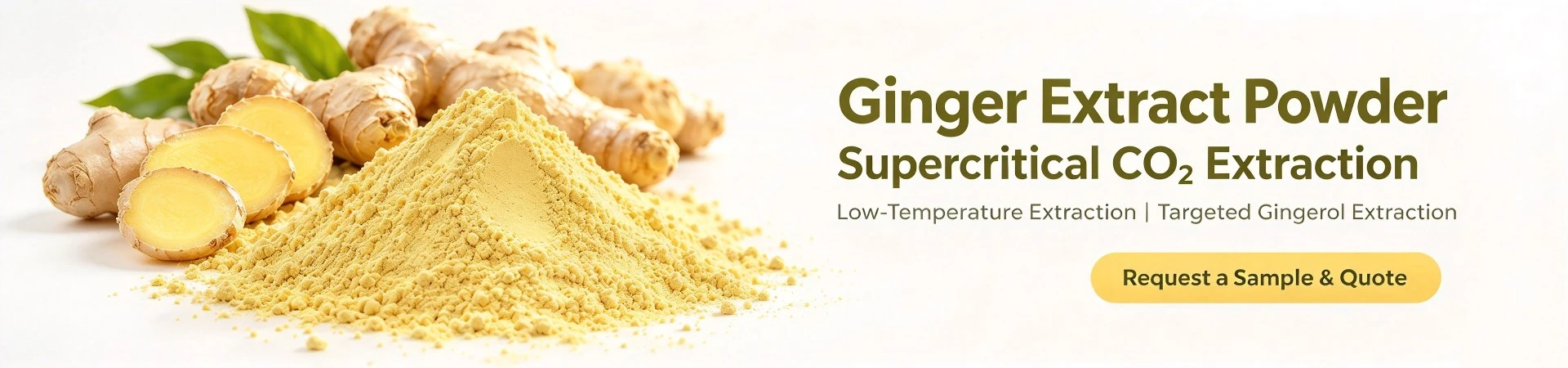
The potential health benefits of ginger ale can be attributed to its main ingredient - ginger root. Ginger root extract powder contains powerful anti-inflammatory and antioxidant compounds called gingerols and shogaols. Studies show that ginger has pain-relieving effects and can help reduce nausea and vomiting. The phenolic compounds in ginger may help relieve gastrointestinal discomfort by increasing digestive secretions and neutralizing stomach acidity.
Soothing Effects
Ginger root has long been used as a home remedy for minor stomach upset. The spicy, fragrant flavor of ginger can help relieve nausea. Carbonation and ginger may act together to settle mild indigestion and stomach discomfort. Ginger ale is often recommended when recovering from a stomach bug or food poisoning.
However, most commercially produced ginger ales contain minimal real ginger root extract powder. Thus, the soothing effects of natural ginger root are often diminished. Opting for homemade ginger ale made by steeping fresh ginger slices in water can provide greater medicinal benefits.
Carbonation and Tooth Extraction
Consuming carbonated beverages like soda and ginger ale is often advised against immediately following tooth extraction. The bubbles and pressure from carbonation can potentially dislodge blood clots and hinder healing if consumed too soon after surgery.
Dry Socket Risk
There is an increased risk of developing dry socket if carbonated drinks are consumed within the first 24 hours after tooth removal. Dry socket, or alveolar osteitis, occurs when the blood clot at the extraction site becomes dislodged prematurely. This exposes the underlying bone and nerve endings, causing severe pain. The carbonation in ginger ale may contribute to blood clot loss.
Irritation
Carbonated drinks contain acids that can irritate the sensitized surgical area after extraction. Acids like citric acid and phosphoric acid are added to bottled beverages to enhance tartness and prolong shelf life. However, they can cause a painful stinging sensation in the open tooth socket.
Dislodging Clots
The pressure from trapped carbon dioxide gas bubbles in soft drinks can potentially dislodge the fragile blood clots trying to form after extraction. This disruption in the clotting process impedes quick healing and increases chances of complications.
Thus, most dentists recommend avoiding carbonated drinks for at least 24 hours after tooth removal. Once the blood clot has formed and the socket has begun to heal, carbonation is less likely to cause issues.
Sugar Content in Ginger Ale
Along with carbonation, ginger ales have high amounts of added sugar that can impact post-extraction healing.
Sugar Levels
The average 12-ounce serving of ginger ale contains around 33 grams of sugar - roughly the amount in a Snickers bar! Popular brands like Canada Dry, Schweppes, and Seagram's contain 31-35 grams of added sugar per serving. The American Heart Association recommends no more than 6 teaspoons or 25 grams of added sugars daily for women and 9 teaspoons or 36 grams for men.
Healing Effects
Consuming high amounts of refined sugar after surgery may complicate the healing process. Sugar suppresses immune function and increases inflammation. It is also broken down by plaque bacteria, increasing the risk of infection. Soft, sugary foods can get trapped in the extraction socket, delaying closure. For optimal healing, minimize sweets and opt for a balanced, nutritious diet.
Increased Infection Risk
The high sugar content in ginger ale can raise chances of developing infections like dry socket after extraction. Bacteria feed on dietary sugars and proliferate, increasing the likelihood of developing dental complications. Limit sugar intake following dental procedures for the lowest infection risk.
Thus, minimizing consumption of sugary carbonated beverages is prudent after extraction. The combined effects of carbonation and sugar could disturb the sockets healing process in the days following surgery. Water is the best choice for staying hydrated.
Dentist Recommendations
Most dentists caution against drinking any carbonated beverages, including ginger ale, in the immediate days following a tooth extraction. However, recommendations vary on how long to wait before introducing fizzy drinks after surgery.
No Carbonation for First 24 Hours
Many dentists suggest avoiding all sodas and soft drinks for at least the first 24 hours after having a tooth pulled. This allows time for the initial blood clot to fully form and stabilize before introducing potential irritants. The first 1-3 days are the most crucial window for proper clotting.
Wait 3-5 Days
Some dentists recommend waiting 3-5 days before consuming any carbonated drinks after extraction. They cite risks of dry socket formation in addition to pain and irritation to the socket within this time frame. Limiting carbonation for several days allows tissues to begin healing before potential disruption.
Use Your Judgement
Other dental providers give less rigid guidelines, advising patients to use their own judgement and avoid carbonated drinks as long as they experience discomfort or bleeding. They may permit occasional gentle sipping ginger ale after a few days if it helps soothe nausea. But emphasize avoiding gulping or frequent consumption.
Dentists across the board advise avoiding forceful sucking motions with straws which can dislodge clots. They also universally recommend minimizing sugary beverages for optimal healing. Overall, listening to your specific dentist's recovery instructions is wise.
Alternatives to Ginger Ale
While ginger ale is not advised immediately after extraction, there are several suitable alternatives to help you stay hydrated and get nutrients while healing.
Water
Drinking frequent water is key to recovery after tooth extraction. Hydration is vital, and water helps flush debris from sockets aiding healing. Room temperature or lukewarm water is best as very cold water may cause pain. Infusing water with sliced fruit adds light flavor.
Herbal Tea
Sipping lukewarm herbal tea can help reduce pain after surgery. Chamomile, green tea, peppermint, and black tea contain antioxidants that support healing. Avoid very hot tea as high temperatures can damage granulation tissue. Do not drink tea with a straw, and be sure to rinse away debris.
Fruit Juice
Diluted fruit juices like apple, cranberry, or grape juice are alternatives that provide fluids, nutrients, and antioxidants. Avoid citrus juices as the acidity can bother healing sockets. Drink room temperature or chilled juice, never hot. Water it down to limit concentrated sugars.
Broth
Sipping on broths is an alternative for staying hydrated while getting protein and electrolytes after extraction. Focus on rich, savory bone broths which contain gelatin, calcium, and magnesium to help rebuild damaged tissue. Avoid extremely salty broths, and drink slowly.
Smoothies
Blending nutrient-dense whole foods like Greek yogurt, bananas, avocados and spinach creates filling, hydrating smoothies ideal for recovery after dental surgery. The cool temperature and smooth texture are unlikely to disturb healing sites. Avoid adding sugars like honey or fruit juices.
There are many beverages that can effectively hydrate without irritating post-extraction sites. Water is the ultimate recommendation, along with various teas, juices, broths, and smoothies. Follow your dentist's advice, and avoid carbonation until clots have stabilized.
What drinks are OK after tooth extraction?
After having a tooth extracted, the socket where the tooth was removed is vulnerable. Care must be taken to allow proper blood clotting and protect the area during the initial stages of healing. Certain beverages are more favorable and recommended for post-extraction recovery. Here are some of the best drinks after tooth extractions:
- Water - Staying hydrated is crucial, and plain water is gentle and unlikely to disturb healing sites. Choose room temperature or lukewarm water.
- Herbal tea - Chamomile, green tea, and black tea contain antioxidants. Enjoy lukewarm to avoid burning.
- Fruit juices - Apple, cranberry, and grape juices offer key nutrients. Dilute with water and avoid sugar.
- Bone broth - The savory flavor and gelatin content help rebuild tissue. Don't drink overly salty versions.
- Smoothies - Blended fruits, yogurt, and vegetables provide ideal hydration and nutrition. Skip added sugars.
- Milk/nut milks - Dairy and non-dairy milks provide proteins and vitamins for healing.
- Electrolyte drinks - Beverages like Gatorade replenish fluids and minerals lost after surgery.
The most important guideline is to avoid carbonated sodas and alcoholic drinks in the days following extraction. Focus on hydration and nourishment with gentle, cool drinks that won't irritate healing sockets. Always follow specific instructions from your dentist.
Is ginger ale good after surgery?
Whether or not ginger ale is good to drink after surgery depends on a few factors. Here is some information on the potential risks and benefits:
Potential benefits:
- Ginger has anti-nausea effects - The ginger flavor can help settle the stomach and reduce nausea related to anesthesia. This makes ginger ale appealing after surgery.
- Hydration - Like other soft drinks, ginger ale provides fluids to prevent dehydration. Staying hydrated aids healing.
- Comforting flavor - The familiar taste is appealing to some patients recovering after procedures.
Potential risks:
- Carbonation - Bubbly drinks may irritate healing surgical incisions or internal tissues. Forceful gulping can worsen effects.
- Sugar content - High amounts of sugar in commercial ginger ale can suppress immunity and increase inflammation.
- Acidic - Ingredients like citric acid add tartness but may cause discomfort.
- Dehydration risk - The diuretic effects of caffeine and sugar may cause fluid loss.
Recommendations:
- Follow surgeon's advice - Always check with your doctor on recommended beverages after surgery.
- Avoid for 1-2 days - Precaution suggests avoiding carbonated drinks until initial healing begins.
- Small amounts - If tolerated, consume ginger ale in modest amounts and sip slowly.
- Dilute - Adding water can help cut down on sweetness, carbonation, and acidity.
Overall, water and electrolyte sports drinks tend to be better choices after surgery. Ginger ale should be consumed cautiously in the days following a procedure. Check with your surgeon and listen to your body's tolerance.
Can I drink ginger ale 3 days after tooth extraction?
Whether or not it is safe to drink ginger ale 3 days after a tooth extraction depends on how your individual healing is progressing. Here are some factors to consider:
- Dentist's advice - Check with your dentist first. Follow their recommendations on introducing carbonated beverages after surgery.
- Pain levels - If you are still experiencing significant pain or discomfort at the extraction site at 3 days, avoid carbonated drinks. Fizziness and acidity can irritate.
- Bleeding - Any continued bleeding or complications means you should postpone carbonated drinks longer to allow more time to heal.
- Clot stability - The blood clot sealing the socket should be fairly well formed by 3 days. However, carbonation could still displace it if not fully stabilized.
- Sugar content - High sugar drinks may increase risk of infection. Consume ginger ale in moderation.
- Sipping - Do not guzzle carbonated drinks. Drink ginger ale slowly and gently without using a straw.
If you try a small, careful amount of ginger ale at 3 days and don't experience any irritation, stinging pain, or renewed bleeding, you are likely in the clear. However, if you notice any concerning symptoms, stop drinking it and stick to water until you have fully healed. Use your best judgement and always get your dentist's green light.
In conclusion, it is important to exercise caution when consuming ginger ale after tooth extraction. The carbonation and high sugar content in commercially produced ginger ales can potentially hinder healing and increase the risk of complications such as dry sockets and infection. Dentists generally recommend avoiding carbonated beverages for at least 24 hours and minimizing sugar intake to promote optimal healing. If you are looking for ginger extract for your homemade ginger ale, consider contacting Botanical Cube Inc., a professional plant extract supplier. As a China Ginger Root Extract Powder supplier, we offer a variety of forms of Ginger Extract. You can reach us at sales@botanicalcube.com.
References:
1. Wong R. (2019). Care after having a tooth taken out. WebMD. Retrieved from https://www.webmd.com/oral-health/guide/care-after-tooth-extraction#1
2. American Dental Association (ADA). (2019). Post-Op Instructions following dental extractions. Retrieved from https://www.ada.org/en/member-center/oral-health-topics/wisdom-teeth-extractions
3. Yamreudeewong W, Henann NE, Fazio SB. (2021). Postextraction healing. In StatPearls. Retrieved from https://www.ncbi.nlm.nih.gov/books/NBK557478/
4. Berman L, Hartwell GR, Lugassy A, Heft M. (2018). Root canal irrigation: a review of current best practices and innovations. Compendium of continuing education in dentistry (Jamesburg, N.J. : 1995), 39(1), 46–48.
5. Blanchet-Cohen, Natascia (2014). Caring for Mouth Sores. Dana Farber Cancer Institute. Retrieved from https://blog.dana-farber.org/insight/2014/07/caring-for-mouth-sores/
6. Canada Dry. (2022). Nutrition Facts. Retrieved from https://www.canadadry.ca/products/ginger-ale/product/000000006100003904
7. Lockhart, P. B., Brennan, M. T., Sasser, H. C., Fox, P. C., Paster, B. J., & Bahrani-Mougeot, F. K. (2008). Bacteremia associated with toothbrushing and dental extraction. Circulation, 117(24), 3118–3125.
8. Lodi, G., Figini, L., Sardella, A., Carrassi, A., Del Fabbro, M., & Furness, S. (2012). Antibiotics to prevent complications following tooth extractions. The Cochrane database of systematic reviews, 11(11), CD003811.
9. Mayo Clinic. (2019). Dry socket. Retrieved from https://www.mayoclinic.org/diseases-conditions/dry-socket/symptoms-causes/syc-20354376
Pramod, K., Ansari, S. H., & Ali, I. (2019). Herbal remedies for post-operative pain management. Biomedicine & Pharmacotherapy, 109, 2128–2140.
10. Seyedmajidi, M., Shafaee, H., Forooghipour, M., Abareghi, N., & Seyedmajidi, S. (2018). Evaluation of the effect of three herbal toothpastes on the pH of saliva in children. Electronic physician, 10(6), 6984–6990.
11. Shweta, B., & Prakash, S. K. (2013). Dental considerations in diabetic patients: A review. Indian journal of endocrinology and metabolism, 17(5), 756–760.