



Let's have an honest conversation about how we survive our daily grinds. You roll out of bed, drag yourself to the kitchen or the nearest café, and grab a large, iced Americano. For the first hour, it works beautifully. Your brain fires up, your focus sharpens, and you feel completely invincible. But let's fast forward to 2:00 PM. The temporary superpower fades away, leaving you with a racing heart, a sudden wave of unprovoked anxiety, and a foggy brain that desperately begs for another shot. This is what we call the "caffeine crash," a vicious cycle that millions of professional workers find themselves trapped in every single day.
But what if I told you there is a vibrant green powder sitting quietly on premium shelves that completely shatters this problematic energy cycle? For years, most of us looked at matcha as nothing more than a trendy dessert flavor-something to color our ice cream, aesthetic lattes, or weekend pastries. However, in the high-stakes world of global food science and ingredient formulation, a massive paradigm shift is happening right under our noses. Major brands are no longer treating matcha as a simple beverage or a natural dye. Instead, they are recognizing it for what it truly is: a highly complex, sophisticated Functional Ingredient capable of altering how our bodies handle stress, energy, and cellular aging.
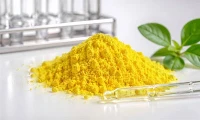
When you compare a standard green tea powder with high-quality matcha, they may look similar, but they are used in very different ways.One is mainly used for flavor or coloring, while matcha is increasingly used as a functional ingredient in food and beverage formulation.This difference comes from its composition. Because the whole tea leaf is consumed, matcha naturally contains higher levels of catechins, L-theanine, and caffeine, which makes it suitable for functional product development.

When Clean Label Meets Functional Performance
To understand why this green shift is accelerating so quickly, we need to zoom out and look at the broader landscape of the consumer goods market. The global functional food and beverage sector is experiencing an unprecedented explosion. Consumers have grown deeply exhausted by long, synthetic chemical readouts on the back of their product packaging. We are witnessing the absolute rise of the Clean Label Movement, a market demand where clean, recognizable, plant-derived alternatives are rapidly replacing synthetic additives, artificial stimulants, and chemical preservatives.
As product developers, corporate buyers, and brands, the old framework of evaluation is completely dead. A decade ago, an R&D team would look at a new plant botanical and ask one simple question: "Does this taste acceptable to the mass market?" Today, that question has been fundamentally replaced by a much more critical business metric: "Can this ingredient anchor our core functional claim?" Brands are hunting for natural bio-actives that can deliver provable health benefits without compromising the sensory experience of the product. This is precisely where matcha dominates the market landscape. It bridges the historical gap between exceptional organic flavor and robust, science-backed efficacy.
What Defines a Functional Ingredient
Before we break down the molecular blueprint of matcha, let's establish a clear, standardized definition of what a functional ingredient actually represents in industrial manufacturing. A standard commodity ingredient is added to a food formulation for basic properties-think of white sugar for sweetness, cornstarch for texture, or synthetic green dye #3 for visual appeal. They serve a single, baseline physical purpose.
A Functional Ingredient, conversely, is an active biological compound or whole-food matrix that delivers targeted physiological benefits beyond basic nutrition or sensory characteristics. These ingredients are intentionally formulated into products to support specific biological pathways, such as optimizing cellular defense through antioxidant networks, balancing neurotransmitters for stress relief, providing sustained mitochondrial energy, or modulating metabolic parameters. To clarify this operational distinction, let's look at how raw materials stack up in product formulation:
| Ingredient Classification | Operational Purpose & Biological Value | Industrial Examples |
| Commodity / Baseline Raw Materials | Provides basic caloric value, target texture, specific flavor profile, or artificial color. No specific physiological therapeutic value. | Refined Sugars, Synthetic Dyes, Modified Food Starches, Artificial Flavors. |
| Functional Ingredients | Delivers documented health outcomes, modulates metabolic pathways, provides antioxidant defense, or optimizes cognitive performance. | Standardized Matcha Powder, Live Probiotics, Hydrolyzed Collagen, Adaptogenic Extracts. |
Why Matcha is a Biochemical Powerhouse
Matcha's classification as a top-tier functional ingredient isn't based on marketing hype; it is a direct consequence of its agricultural journey and unique chemical structure. Because matcha bushes are intentionally shaded from sunlight for three to four weeks before harvest, the plants undergo a dramatic metabolic adaptation. The leaves drastically ramp up their production of amino acids, specific polyphenols, and chlorophyll. Let's look at the four pillars of this natural synergy:
1️⃣ L-Theanine: The Neurotransmitter Master
Shade cultivation forces the tea plant to accumulate massive stores of L-theanine, a unique non-proteinogenic amino acid that directly crosses the human blood-brain barrier. Clinical research demonstrates that L-theanine directly stimulates the generation of alpha brain waves, which are characteristically present when a human is in a state of relaxed alertness or deep, creative focus [1]. Furthermore, it modulates the central nervous system by downregulating over-excited neurons while supporting GABA production, providing a powerful buffer against everyday psychological stress.
2️⃣ EGCG (Epigallocatechin Gallate): The Cellular Shield
Matcha represents a concentrated delivery mechanism for catechin polyphenols, most notably Epigallocatechin Gallate (EGCG). Because consumers ingest the entire ground leaf rather than a simple aqueous infusion, the biological yield of available EGCG is exponentially higher than traditional steeped green teas. EGCG is a master antioxidant that neutralizes destructive reactive oxygen species (ROS), protects cellular DNA from oxidative damage, and modulates systemic inflammatory signaling pathways throughout the human vascular system [2].
3️⃣ Natural Co-Present Caffeine: The Metabolic Fuel
Matcha contains a significant, natural concentration of caffeine, providing the necessary stimulant activation to increase alertness, block adenosine receptors, and improve physical endurance during exertion. Unlike synthetic caffeine anhydrous commonly used in cheap energy drinks, matcha's caffeine is intrinsically bound to a complex plant matrix, drastically altering its pharmacokinetics inside the human metabolic system.
4️⃣ Chlorophyll: The Structural Clean-Label Solution
The intense shading process creates a hyper-concentration of natural chlorophyll. Beyond its traditional role in capturing light energy, chlorophyll provides a brilliant, stable, deep green hue that allows industrial formulators to completely eliminate controversial synthetic dyes like Yellow No. 5 or Blue No. 1, satisfying the strictest clean-label compliance mandates globally.

A Study in Phytochemical Synergy
The true genius of matcha does not lie in any one of these individual compounds working in isolation. If you extract the caffeine alone, you get a harsh stimulant. If you isolate theEGCG, you get an excellent but un-energizing antioxidant powder. Matcha's defining competitive advantage in functional design is its natural Phytochemical Synergy.
When caffeine and L-theanine are consumed together in the specific biological ratios found in high-grade matcha, they execute a perfect metabolic dance known to researchers as "Calm Energy." In standard coffee consumption, caffeine hits your bloodstream almost instantly, causing a rapid spike in adrenaline and cortisol, followed by a sudden drop. However, when bound to the L-theanine matrix in matcha, the absorption of caffeine is significantly slowed down and regularized. L-theanine acts as a neurological stabilizer, smoothing out the sharp stimulant curve of the caffeine molecules [3].
The result? A sustained, 4-to-6-hour plateau of sharp cognitive clarity, completely devoid of the classic physical jitters, muscle tension, or afternoon fatigue. For the modern consumer battling cognitive fatigue and mental burnout, this specific functional benefit is a total game-changer. It delivers all the productivity benefits of a traditional stimulant with the neuro-protective, calming benefits of a meditative botanical.

Functional Applications of Matcha Powder in Product Formulation
Because matcha delivers color, flavor, and physiological benefits simultaneously, it has evolved into one of the most highly requested raw materials across several key market sectors. R&D teams are actively integrating standardized matcha into multiple consumer formats:
- Functional & Nootropic Beverages: Formulators are utilizing matcha as the clean-label energy engine for Ready-To-Drink (RTD) functional cans, replacing synthetic caffeine with natural "Calm Energy" claims tailored for corporate professionals and creative workers.
- Premium Nutraceuticals & Healthy Aging Formulations: Due to its exceptional EGCG profile, high-purity matcha is being packaged into advanced metabolic support drink powders, longevity capsules, and cellular defense formulations aimed squarely at the expanding healthy-aging and wellness demographics.
- Functional Foods & Performance Snacks: From high-protein bars to baked wellness snacks, matcha provides an elegant solution for brands looking to inject natural antioxidants, vibrant color, and an artisanal health story into premium grocery lines.
Resolving Formulatory and Supply Challenges
If you are an enterprise-level brand, procurement manager, or product formulator, you don't look at ingredients through a purely aesthetic lens. You look at them through the harsh reality of industrial processing, regulatory validation, and global supply chain logistics. You don't just ask what an ingredient is; you ask how it performs under pressure. Brands moving into functional matcha often encounter severe technical hurdles:
"Will the vibrant green color oxidize and turn into an unappealing dull brown during high-heat pasteurization?" "Are the active EGCG and L-theanine levels standardized across every single batch, or does the efficacy fluctuate with the weather?" "Can the supplier guarantee an uninterrupted supply of hundreds of metric tons without micro-contamination?"
This is the exact operational crossroads where matcha transitions from a simple consumer agricultural product into a highly engineered Industrial Formulation Solution. For a brand to successfully scale a functional product, they need more than an agricultural supplier; they require an analytical partner capable of delivering precise particle-size distributions, guaranteed bio-active marker retention, and absolute microbiological control.
The Botanical Cube Advantage
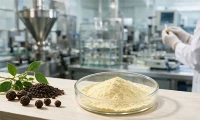
At Botanical Cube Inc., we have been working with botanical ingredients for many years, focusing on consistent quality and practical applications in real product development.We supply standardized matcha powder for use in beverages, supplements, and functional food formulations. Our process is designed to keep key natural compounds stable, while ensuring every batch performs consistently in manufacturing.We also support our customers during product development, whether it is adjusting specifications, improving solubility, or scaling up production.If you are working on functional beverages or clean-label products, feel free to contact us for product details, COA, or sample requests.
References
[1] Nobre, A. C., Rao, A., & Owen, G. N. (2008). L-theanine, a natural constituent in tea, and its effect on mental state. Asia Pacific Journal of Clinical Nutrition, 17(S1), 167-168.
[2] Khan, N., & Mukhtar, H. (2018). Tea polyphenols in promotion of human health. Nutrients, 11(1), 39.
[3] Haskell, C. F., Kennedy, D. O., Milne, A. L., Wesnes, K. A., & Scholey, A. B. (2008). The effects of L-theanine, caffeine and their combination on cognition and mood. Biological Psychology, 77(2), 113-122.