




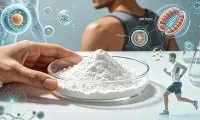
Ginger tea has become an increasingly popular beverage due to its soothing flavor profile and potential health benefits. The spicy, zesty taste of ginger can provide a comforting warmth perfect for wintertime sipping. But can we harness the power of ginger's flavor and nutrition by using dry ginger powder to make ginger tea? In this article, we'll explore the process of making ginger tea from dry powder, the science behind its health claims, and tips for adjusting the strength.
Dry ginger powder provides an accessible and versatile way to make flavorful ginger tea any time. By reviewing the preparation process, potential health benefits, and scientific evidence, we can better understand the advantages of using dry ginger powder to make a cup of this aromatic herbal tea.

What is Dry Ginger Powder?
Dry ginger powder is made from fresh ginger that has been peeled, sliced, dried, and ground into a fine powder. Ginger, scientifically known as Zingiber officinale, is a flowering plant native to Asia whose rhizome or underground stem is used as a common culinary ingredient. Ginger has a long history of use as both a spice and herbal remedy in Indian, Chinese, and other traditional medical systems.
The process of making dry ginger powder helps concentrate and preserve the flavor and nutrients of fresh ginger. Once the fibrous skin has been removed, thinly sliced ginger is slowly dried, often using low heat. The dried slices are then ground into a fine powder using a spice grinder or food processor. This powder can be conveniently stored and has a shelf-life of up to 6 months, making it readily available for ginger tea or other uses.
Dry ginger powder is prized for the concentrated ginger flavor and aroma it lends to teas, curries, baked goods, and other applications. Its versatility and ease of use have made it a staple in many cuisines across the world.
Making Ginger Tea with Dry Ginger Powder
The simplicity of dry ginger powder makes preparing fresh ginger tea a breeze. Here are a few easy methods for making ginger tea using the powdered form:
- Steeping - Place 1⁄2 to 1 teaspoon of ginger powder into a tea infuser or loose tea filter. Add hot water and allow the ginger to steep for 5-10 minutes before removing the infuser. Adjust the ginger amount based on taste preference.
- Boiling - For a stronger ginger tea, boil crushed ginger powder or grated fresh ginger in water for 5-10 minutes. Strain the solids before drinking. Add lemon, honey, or other flavors to taste.
- Instant mix - Stir 1⁄4-1⁄2 teaspoon of dry ginger powder into hot water until thoroughly dissolved. Sweeteners or lemon can also be added.
The longer dry ginger powder steeps, the stronger the concentration of ginger flavor and benefits will be. Start with a smaller amount of powder and adjust higher for more potency. Freshly grated ginger root can also be used in place of dry powder.
Health Benefits of Ginger Tea
Research has suggested a number of potential health benefits associated with ginger tea, from soothing an upset stomach to reducing inflammation. Studies indicate ginger contains bioactive compounds like gingerols and shogaols that contribute to its medicinal properties. Let's explore some of the proposed benefits of drinking ginger tea:
- Nausea relief - Multiple studies have found ginger effective at reducing nausea related to motion sickness, pregnancy, and chemotherapy when consumed in doses of 1-2 grams per day. Components in ginger may help relax gastrointestinal muscles.
- Anti-inflammatory effects - Research indicates fresh ginger and its compounds can help reduce inflammation, which underlies many chronic diseases. Ginger may inhibit inflammatory pathways.
- Immune support - Ginger's antimicrobial and bioactive nutrients may help boost immune function and ward off illnesses. Ginger stimulated the immune system in animal studies.
- Digestive aid - Ginger has traditionally been used to support healthy digestion. Studies confirm dried ginger can accelerate emptying of the stomach and improve dyspepsia.
- Pain reduction - Some research observes ginger lowering pain and muscle soreness related to exercise or arthritis when taken regularly. It may modulate inflammation pathways.
While studies show promise, larger human trials are still needed to confirm many of ginger's proposed therapeutic effects. Always consult your doctor before using ginger tea as an alternative treatment.
Scientific Research and Evidence
Modern scientific techniques have been applied to better understand ginger's biochemical makeup and the validity of its traditional medicinal uses. Extensive research has been conducted around ginger's effects and mechanisms, though larger scale human studies are still needed.
Several systematic reviews have compiled the available research on ginger's impact on nausea, vomiting, motion sickness, and seasickness. Multiple randomized controlled trials and meta-analyses found positive effects from ginger in reducing nausea symptoms. For example, a 2014 meta-analysis of 12 studies concluded that ginger was more effective than placebo in treating pregnancy-related nausea and vomiting.
Additionally, a review of seven studies with 473 patients concluded that consuming 1-2 grams of ginger daily modestly alleviated chemotherapy-related nausea. However, the effects were not consistent across all trials. More evidence is still needed to rate its efficacy for chemotherapy patients.
Research exploring anti-inflammatory and antioxidant effects of ginger is also promising. A study published in The Journal of Medicinal Food found dry ginger powder had higher antioxidant activity and phenolic content compared to fresh ginger. Additional cell studies and animal models observe anti-inflammatory properties of ginger and its bioactive components. However, large scale human studies are limited.
While ginger is considered safe for most people, potential side effects, drug interactions, and appropriate dosing require further research, particularly for medicinal use. Overall, current literature provides early positive evidence for ginger's use in folk medicine, but additional rigorous trials are needed.
Other Uses of Dry Ginger Powder
Beyond making a warming cup of tea, dry ginger powder has a wide range of culinary uses. Here are some ways to use ginger powder in the kitchen:
- Baking - Add to cookie, cake, bread, and muffin batters for a spicy kick of flavor. Or sprinkle on top of whipped cream or yogurt.
- Marinades and sauces - Mix into salad dressings, stir fry sauces, or marinades for fish, chicken, pork, or tofu.
- Smoothies - Add a dash of ginger powder to fruit or vegetable smoothies.
- Curries and stews - Toss into curry powders or dry rubs for meats. Or stir into lentil or chickpea stews.
- Desserts - Fold into ice cream bases, sprinkle over chocolate bark or caramels, or blend into milkshakes.
Start with about 1⁄4 to 1⁄2 teaspoon of ginger powder at a time, adjusting to taste preferences. The dried powder works well to add concentrated ginger flavor to both sweet and savory recipes.
Safety and Precautions
Used in moderation, ginger tea made from dry ginger powder is considered very safe for most people. However, the following precautions are advised:
- Pregnancy - Talk to your doctor before consuming ginger tea while pregnant. Excessive use may be unsafe.
- Medications - Ginger may interact with blood thinners and diabetes drugs. Consult your physician before using ginger tea medicinally.
- Allergies - Avoid ginger if you have a known ginger, spice, or food allergy. Discontinue use if any allergy symptoms occur.
- Dosing - Stick to recommended dosages when using ginger tea therapeutically. Up to 4 grams of dried ginger powder is considered safe for adults in most cases.
As with any herbal supplement, it's important to buy high quality dry ginger powder from reputable sources. Talk to your doctor before using ginger tea or any ginger supplement for health purposes.
Conclusion
Dry ginger powder provides a basic method for making new, sweet-smelling ginger tea whenever with simply high-temperature water. With proof guiding ginger's capacity toward ease queasiness, support processing, and decreased aggravation, partaking in this hot sweet tea could give helpful advantages. Always listen to your body and stop using it if you feel any discomfort. In any case, it is for the most part extremely protected to drink ginger tea with some restraint. Let the glow and zest of this antiquated homegrown cure light up your day.
Focus on customizing solutions for customers. Botanical Cube Inc. has three independent R&D centers and completes multiple new projects every year, providing customers with a variety of solutions. Botanical Cube Inc. serves customers in more than 100 countries and regions and more than 500 industries. Our commodity quality and service have been well received by customers. As a China Dry Ginger Powder supplier, we provide high-quality botanical extracts to meet your specific needs. Contact us at sales@botanicalcube.com or visit our website to learn more about our Beetroot Extract Powder and other botanical products.
References:
1. Mashhadi, N. S., Ghiasvand, R., Askari, G., Hariri, M., Darvishi, L., and Mofid, M. R. (2013). Hostile to oxidative and calming impacts of ginger in wellbeing and actual work: survey of current proof. Global diary of preventive medication, 4(Suppl 1), S36.
2. Brahmbhatt, M., Gundala, S. R., Asif, G., Shamsi, S. A., and Aneja, R. (2013). Ginger phytochemicals display collaboration to repress prostate disease cell multiplication. Nourishment and disease, 65(2), 263-272.
3. Everyday, J. W., Yang, M., and Park, S. (2016). Ginger's effectiveness in treating Type 2 diabetes: An efficient survey and meta-investigation of randomized clinical preliminaries. Diary of ethnopharmacology, 193, 97-102.
4. Marx, W., McKavanagh, D., McCarthy, A. L., Bird, R., Ried, K., Chan, A., and Isenring, L. (2015). The impact of ginger (Zingiber officinale) on chemotherapy-actuated sickness and retching: A methodical writing survey. Nourishment surveys, 73(4), 245-254.
5. Johnson, J. R., Luo, Y., Mishra, A., and Brown, M. L. (2018). Ginger root for chemotherapy-prompted sickness and heaving: proof of adequacy, plan contemplations, and proof based dosing routine. 15(6): 876–884 in the Journal of Dietary Supplements.