




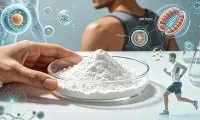
Piperine is an alkaloid compound and the major active component found in black pepper (Piper nigrum). It is what gives black pepper its characteristic pungent taste. Piperine has been extensively studied for its potential health benefits, which are thought to come from its ability to boost the absorption and bioavailability of other nutrients.
Piperine is found naturally in the fruits of the Piper nigrum plant, commonly known as black peppercorns. Black pepper is produced by harvesting and drying the unripe green fruits of this woody climbing vine native to parts of Southern India.
During the drying process, important phytochemical changes occur, resulting in the production of piperine and essential oils that give black pepper its distinct aroma and flavor profile. These compounds develop as the peppercorn matures and are concentrated during the drying process.
Research has shown that piperine comprises about 5-10% of the total components in black pepper. The pungency of any given peppercorn correlates with its piperine content, with higher levels translating to increased spiciness.

Studies suggest that piperine may exert several beneficial physiological effects on the body, including:
- Improved digestion - by stimulating digestive enzymes and digestive juices
- Enhanced absorption and bioavailability of nutrients - by supporting transportation across the intestinal lumen
- Anti-inflammatory effects - by inhibiting inflammatory mediators
- Antioxidant benefits - by scavenging free radicals and reducing oxidative stress
- Antimicrobial properties - with evidence of antibacterial and antifungal activity
The potential health benefits of piperine are quite significant, given black pepper's culinary popularity around the world. However, piperine is very poorly soluble in water. It must be extracted in an organic solvent like ethanol in order to isolate it from the peppercorn.
Supercritical carbon dioxide extraction is another clean technique used to separate and concentrate piperine from black pepper. This results in a highly purified, standardized piperine extract.
Scientific Evidence on Piperine in Black Pepper Essential Oil
While piperine is well documented in black peppercorns, there is conflicting evidence regarding its presence in black pepper essential oil.
Black pepper essential oil is produced by steam distilling the same Piper nigrum berries used to produce ground black pepper. This extraction method yields two separate products - the distilled volatile oil and a water-soluble oleoresin containing the non-volatile compounds.
Some sources indicate that piperine cannot be extracted into the essential oil because of its non-volatile chemical nature. One study analyzing the composition of black pepper essential oil found no detectable levels of piperine.
However, other sources claim that piperine is present in trace quantities in the essential oil. Given piperine's poor water solubility, it is unlikely that significant amounts are captured during steam distillation.
The conflicting evidence may come down to issues with quality control and sourcing. Essential oils derived from poorer quality, adulterated or contaminated black pepper raw materials may result in batch inconsistencies regarding the presence of piperine.
Proper botanical identification, harvesting techniques, distillation methods and analytical testing are required to guarantee both the quality and chemical composition of black pepper essential oil, including the potential presence of piperine.
How Much of Black Pepper is Piperine?
As previously mentioned, research shows that piperine makes up about 5-10% of whole black pepper by weight. However, the wholesale piperine extract content can vary based on the plant variety and growing conditions. The maturation process also affects piperine levels, with fully ripened peppercorns containing higher amounts.
For example, one study found peppercorns contained between 4.6-7.9% piperine by dry weight when harvested at full maturity. Younger, partly ripened peppercorn samples measured around 2.1-2.8% piperine.
So a high quality, fully mature black peppercorn that has been properly dried can be expected to yield around 5-10% piperine by weight. The remaining composition consists of volatile essential oils, fixed oils, proteins, starch, minerals and fiber.
The takeaway is that piperine represents a relatively small but potent fraction of the overall phytochemical makeup in black pepper. Its concentration and absorption can be standardized in purified piperine extracts but will vary when consuming whole peppercorns.
Is Black Pepper Oil the Same as Black Pepper Powder?
No, black pepper essential oil and black pepper powder come from the same plant source but are very different products.
As described earlier, black pepper essential oil is extracted from Piper nigrum peppercorns using steam distillation. This process isolates the volatile aroma compounds into a concentrated hydrophobic oil. The main chemical constituents are monoterpenes and sesquiterpenes such as sabinene, pinene, caryophyllene and limonene.
In contrast, black pepper powder is created by grinding up whole dried peppercorns into a coarse powder. This retains all of the original peppercorn components, including piperine and other non-volatile compounds in addition to the essential oils.
So black pepper essential oil captures only the fragrances and flavors of black pepper, while the powder delivers the full spectrum of peppercorn phytochemicals, including piperine.
The two can be used synergistically to provide both the aromatic qualities of the essential oil and the sharp taste of piperine from the bulk piperine extract powder. But they are derived from the peppercorn using very different methods.
Health Benefits of Black Pepper Essential Oil
Black pepper essential oil is sometimes promoted as having the same health benefits traditionally associated with piperine and black peppercorns. But without significant levels of piperine, the health effects of the essential oil are primarily based on its aromatic terpene content.
Some touted benefits of black pepper essential oil include:
- Stimulating circulation and metabolism by promoting vasodilation when inhaled or applied topically. The improved blood flow can enhance nutrition delivery to cells.
- Supporting digestion - the aroma triggers digestive enzymes and gastric juices to stimulate appetite and digestion.
- Soothing muscular aches and pains - natural antispasmodics in the oil can relax tight, overworked muscles when used in massage.
- Antioxidant and anti-inflammatory activity - largely attributed to monoterpene hydrocarbons like limonene and pinene.
- Antimicrobial properties - research shows black pepper oil exhibits antibacterial, antifungal and insecticidal activities.
Keep in mind that black pepper essential oil is highly concentrated and can cause skin irritation if not properly diluted before use. It is also not recommended for oral ingestion due to safety concerns.
The piperine content is not adequate to make claims related to nutrient absorption, anti-inflammatory effects or other well-studied benefits of piperine itself. Any health benefits from topical use are derived mainly from the aromatic terpene composition rather than piperine.
What Essential Oil is Similar to Black Pepper?
There are a few essential oils that share similar aromatic qualities with black pepper. These include:
- Pink Pepper - Derived from the Brazilian pepper tree (Schinus molle), pink pepper oil has a slightly sweet, warm, woody-peppery scent. It contains many of the same volatile compounds as black pepper.
- Peppercorn Blends - Essential oils like "pepper black" are blended with spicy herbs and carrier oils to emulate the scent of black pepper.
- Ginger - Has a warm, sharp, spicy-peppery aroma profile. Ginger oil is sometimes added to perfumes when a black pepper accord is desired.
- Clove Bud - Features a strong, piercing, bittersweet aroma reminiscent of black pepper. Clove oil is commonly included in spicy fragrances.
- Peppermint - When highly concentrated, peppermint oil takes on a mentholated black pepper-like odor. It has a similar pungent vapor when inhaled.
Of course, none contain piperine or match the exact chemical composition of steam distilled black pepper essential oil. But their aromatic similarities allow the oils to be used interchangeably in certain fragrances, personal care and cleaning products.
Conclusion
In summary, piperine is the main active alkaloid found in black pepper that is linked to many health benefits. It comprises about 5-10% of the composition of a fully ripened black peppercorn. There is conflicting evidence on whether piperine is present in the steam distilled essential oil due to its non-volatile nature. Proper sourcing and analysis is required to ascertain piperine content in any given batch of black pepper oil.
Black pepper powder delivers the complete phytochemical profile of peppercorns, including piperine. In contrast, the essential oil contains only aromatic compounds like pinene, caryophyllene and limonene. So the potential therapeutic benefits differ significantly between the two. Any health claims require research specifically on black pepper essential oil rather than extrapolating from studies on peppercorns or piperine extracts.
Other essential oils like pink pepper, clove and ginger provide aromas reminiscent of black pepper. But their chemical compositions and health effects cannot be assumed to be the same. Those interested in the specific properties of piperine or black pepper oil should consult reputable suppliers for quality assurance and accuracy.
Botanical Cube Inc. is dedicated to providing high-quality organic plant protein powder and other natural extract products to customers worldwide. With 3 independent R&D centers and the ability to serve customers in more than 100 countries and regions across over 500 industries, we focus on customizing solutions for our customers' unique needs.
Our commitment to quality, service, and affordability has been well-received by customers, and we are proud to be a trusted China Piperine Extract Powder 50% manufacturer. To order piperine extract powder or inquire about other offerings, please reach out to us at sales@botanicalcube.com. We look forward to serving you and providing the finest products available!
References:
1. Parthasarathy VA, Chempakam B, Zachariah TJ. Chemistry of Spices. CAB International. 2008.
2. Bahuguna Y, Kumar V, Singh KK, Saxena R, Rajasekaran T, Saxena AK, Rawat AKS. Piperine Production by Piper nigrum: Microbes, Metabolism and Biotechnological Approaches. Applied Microbiology and Biotechnology. 2017.
3. Butt MS, Pasha I, Sultan MT, Randhawa MA, Saeed F, Ahmed W. Black Pepper and Health Claims: A Comprehensive Treatise. Critical Reviews in Food Science and Nutrition. 2013.
4. Orav A, Raal A, Arak E. Essential Oil Composition of Piper Nigrum L. Fruit from Estonia. Journal of Essential Oil Research. 2006
5. Nisha S, Bibin BA, Karthika K, Archana BR, Abhishak CL, Deepika MV, Cherupally SKT. Chemical Composition and Antimicrobial Activity of Essential Oil of Black Pepper. Journal of Tropical Agriculture. 2018.
6. Parthasarathy VA. Chemical Composition of Black Pepper Essential Oils. Flavour and Fragrance Journal. 2016.
7. Meghwal M, Goswami TK. Piper nigrum and Piperine: An Update. Phytotherapy Research. 2012.