




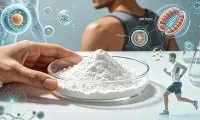
Ginger ale is a popular carbonated beverage flavored with ginger. Its sweet, spicy taste makes it a favorite soda alternative for many people. However, with growing concerns about limiting caffeine intake, a common question is whether ginger ale contains any caffeine. This article will provide an overview of ginger ale, explore its caffeine content compared to other beverages, discuss the potential health effects, and offer guidance on consuming ginger ale and ginger safely.

What is Ginger Powder?
Ginger powder is made from the dried and ground root of the ginger plant, Zingiber officinale. To produce the powder, fresh ginger rhizomes are peeled, sliced, dried, and then finely ground. Ginger powder has a pungent, slightly spicy aroma and flavor. It contains the same active components as fresh ginger, including the phytochemicals gingerol and shogaol, but in a concentrated, dried form. Organic ginger powder is used as a spice and seasoning and for various health benefits.
What is Ginger Powder Good For?
Ginger powder is valued both for its culinary uses and potential health effects. Ginger contains antioxidants and anti-inflammatory compounds linked to benefits like reduced nausea, pain relief, cardiovascular protection, and blood sugar control. Ginger powder can provide these advantages while adding flavor to foods and beverages. Its spicy warmth complements curries, stir-fries, baked goods, and coffee and tea. For wellness, ginger powder is commonly used to reduce morning sickness, menstrual cramps, osteoarthritis pain, and muscle soreness. Speak to your doctor about suitable applications of dry ginger powder.
Overview of Ginger Ale
Ginger ale is a sweetened carbonated beverage flavored with ginger. Traditional ginger ale is made by fermenting ginger spice and sugar with water and a starter culture. The first ginger ale was developed in Ireland in the 1850s. Today, Canada Dry, Seagrams, and Vernors are popular mass-produced ginger ale brands. Ginger ale contains carbonated water, sugar or sweeteners, ginger flavoring, and often citric acid, preservatives, and natural flavors. The ginger provides antioxidants and may help relieve nausea, inflammation, and poor digestion. But the high sugar content generally negates the potential benefits.
Caffeine Content in Ginger Ale
Unlike many sodas, most ginger ales do not contain any caffeine. Traditional ginger ale recipes do not include any caffeine-containing ingredients. Most modern commercial ginger ales like Canada Dry and Seagrams are also caffeine-free. Ginger ale derives its flavor solely from ginger spice - not the kola nut that provides caffeine in cola beverages. There are a few exceptions. Some ginger ales may include additives like green tea extract or guarana that contain small amounts of caffeine. Read labels carefully if caffeine intake is a concern. Otherwise, ginger ale can typically be enjoyed caffeine-free.
Comparison with Other Beverages
In contrast to ginger ale, drinks like coffee, tea, and cola naturally contain significant caffeine content:
- Coffee: 95-200 mg per 8 oz cup
- Black tea: 25-110 mg per 8 oz
- Green tea: 25-50 mg per 8 oz
- Cola soda: 23-35 mg per 12 oz can
The moderate caffeine intake from coffee and tea is generally safe for most healthy adults. But excessive caffeine consumption can cause jitteriness, insomnia, and heart palpitations. Pregnant women are advised to limit caffeine intake. Choosing decaf coffee, herbal tea, or ginger ale can help reduce caffeine consumption.
Health Benefits of Ginger Ale
While less healthy than plain ginger tea, ginger powder drink does provide some benefits attributable to its ginger content. Ginger contains anti-inflammatory compounds called gingerols. The ginger in ginger powder drink may help:
- Relieve nausea and motion sickness
- Soothe sore throats or upset stomachs
- Reduce inflammatory conditions like arthritis when consumed regularly
- Aid digestion
However, human studies are limited. Any potential benefits must be weighed against ginger ale’s high sugar content. Overall, water and unsweetened teas or coffee remain healthier beverage choices.
What is the Healthiest Way to Consume Ginger?
To reap the most anti-inflammatory, antioxidant, and other benefits from ginger, it's best to consume it in its raw, fresh form or as a powdered spice added to foods and beverages. Some healthy ways to incorporate ginger include:
- Drinking ginger tea - Steep sliced fresh ginger or ginger powder in hot water for fresh ginger tea. This allows you to get a concentrated dose of ginger's active compounds.
- Adding it to smoothies - Blend fresh ginger or ginger powder into fruit or vegetable smoothies for a nutrition and flavor boost.
- Using it in stir fries - Add sliced or grated fresh ginger to stir fry dishes and curries to lend its flavor and health benefits.
- Juicing fresh ginger - Blend or press fresh ginger root into juices along with vegetables and fruits.
- Baking with ginger - Add grated or powdered ginger to cookies, muffins, and other baked goods for a warming, spicy kick.
- Infusing water - Fill a pitcher with sliced fresh ginger and lemon or lime slices to create a refreshing ginger-infused water.
- Taking ginger capsules - For therapeutic uses, daily ginger powder capsules containing powdered ginger root may be a convenient option.
The key is to consume real, fresh, or properly dried ginger, rather than relying solely on ginger ale or candies. Speak with your healthcare provider for personalized recommendations on incorporating organic ginger powder into your diet and lifestyle.
Side Effects and Precautions
Ginger ale contains high amounts of added sugar, which can lead to weight gain and dental problems when consumed excessively. The carbonation can aggravate acid reflux in sensitive individuals. Those with diabetes or heart disease should minimize consumption of the high sugar drink. Additionally, some people may experience mild gastrointestinal distress, heartburn, or mouth irritation from the real ginger. Discontinue use if any discomfort occurs. As with any beverage, enjoy ginger ale in moderation as part of an overall healthy diet.
Conclusion
Ginger ale offers a sweet, spicy alternative to regular soda without any caffeine content. While the actual ginger may provide some anti-inflammatory, anti-nausea, and digestive benefits, these are likely outweighed by ginger ale’s high sugar content in most cases. Water, unsweetened tea, or a cup of coffee remain healthier drink options daily. But the occasional ginger ale can still be enjoyed as a caffeinated-free treat in moderation by most people. Be sure to read labels and consult your healthcare provider with any concerns.
As a professional China Wild Ginger Extract supplier, Botanical Cube Inc. can provide you with 14 different forms of ginger extract including Ginger Root Extract Powder, Ginger Oil Extract, Ginger Rhizome Extract, etc. to meet your specific requirements. Our products undergo rigorous testing and standardization to ensure consistent potency and quality. For more information on ginger extract products, please feel free to consult sales@botanicalcube.com or visit our homepage.
References:
1. Mascolo, N., Jain, R., Jain, S. C., and Capasso, F. (1989). Ethnopharmacologic examination of ginger (Zingiber officinale). Diary of ethnopharmacology, 27(1-2), 129-140.
2. Ali, B. H., Blunden, G., Tanira, M. O., and Nemmar, A. (2008). A few phytochemical, pharmacological and toxicological properties of ginger (Zingiber officinale Roscoe): A survey of late exploration. Food and synthetic toxicology, 46(2), 409-420.
3. Qiu, J., Chen, S., Huang, J., Liu, S., Zhang, F., and Wang, R. (2020). Further developing bioaccessibility and bioavailability of phenolic compounds from ginger (Zingiber officinale Roscoe) by nanocomplexation utilizing hemicellulose from ginger strip squander. Diary of horticultural and food science, 68(39), 10737-10748.
4. McKay, D. L., and Blumberg, J. B. (2006). A survey of the bioactivity and potential medical advantages of peppermint tea (Mentha piperita L.). Phytotherapy Research, 20(8), 619-633.
5. NIH. ( 2021, September 21). Caffeine. MedlinePlus. https://medlineplus.gov/caffeine.html.