




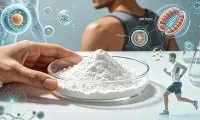
Why is NAD+ So Important?
NAD+ (Nicotinamide Adenine Dinucleotide) is a crucial coenzyme found in all living cells. It plays a vital role in cellular metabolism, DNA repair, and energy production. As we age, NAD+ levels naturally decline, leading to reduced mitochondrial function, increased oxidative stress, and a higher risk of age-related diseases[1].The market for NAD+ boosters is expanding rapidly as more research highlights the benefits of maintaining high NAD+ levels. From anti-aging enthusiasts to professional athletes, people are looking for ways to replenish their NAD+ levels and enhance overall health.
Popular Methods to Increase NAD+
Currently, several methods exist to boost NAD+ levels, including:
1. Nicotinamide Riboside (NR) & Nicotinamide Mononucleotide (NMN) Supplements – Precursors that convert to NAD+ within the body.
2. Caloric Restriction & Intermittent Fasting – Natural metabolic processes that enhance NAD+ production.
3. Exercise – Regular physical activity promotes mitochondrial function and NAD+ biosynthesis.
4. IV NAD+ Therapy – Direct NAD+ infusions for immediate effects.

Each of these methods has its advantages and drawbacks. For example, while IV therapy provides quick results, it is expensive and impractical for daily use. Supplements like NMN and NR are widely available but vary in bioavailability and efficacy. Meanwhile, lifestyle interventions such as fasting and exercise require consistency and discipline but come with additional health benefits.
Natural Sources of NAD+
Given the increasing demand for natural health solutions, many people are now seeking ways to enhance NAD+ levels through diet and lifestyle. Below is a table comparing different natural sources of NAD+ precursors:
| Source | NAD+ Conversion Mechanism | Effectiveness | Development Difficulty | Cost | Usage Frequency | Common Products |
|---|---|---|---|---|---|---|
| Milk | Contains NR, a precursor to NAD+ | Moderate | Low | Low | Daily | Dairy products |
| Fish (Tuna, Salmon) | High in Niacin and Tryptophan | High | Moderate | High | Weekly | Omega-3 supplements, fish oil |
| Mushrooms (Crimini) | Rich in Niacin | Moderate | Low | Low | Weekly | Functional foods |
| Green Vegetables (Broccoli, Avocado) | Contain polyphenols supporting NAD+ pathways | Low-Moderate | Low | Low | Daily | Green smoothies, supplements |
| Yeast | High in NR and Nicotinamide | High | Moderate | Low | Daily | Nutritional yeast, supplements |
| Whole Grains | Natural source of Niacin | Moderate | Low | Low | Daily | Whole wheat bread, brown rice |
How to Choose the Best Natural NAD+ Booster
For consumers looking to increase NAD+ naturally, combining dietary sources with lifestyle changes is key. Here are some research-backed strategies:
1. Increase Niacin-Rich Foods: Niacin (Vitamin B3) plays a direct role in NAD+ synthesis. Consuming foods such as chicken, peanuts, and mushrooms can support steady levels[2].
2. Practice Intermittent Fasting: Studies suggest that fasting enhances NAD+ biosynthesis by activating sirtuins and reducing oxidative stress[3].
Engage in Regular Exercise: High-intensity interval training (HIIT) and resistance training have been linked to increased NAD+ levels and improved mitochondrial health[4].
3. Reduce Alcohol Consumption: Excessive alcohol depletes NAD+ levels by increasing NADH accumulation, which disrupts cellular energy balance[5].
Summary & Key Takeaways
Boosting NAD+ naturally is possible through a combination of diet, exercise, and fasting. While synthetic supplements remain popular, a natural approach offers additional health benefits with fewer risks. Individuals looking to maintain optimal NAD+ levels should focus on a nutrient-rich diet and an active lifestyle.
About Us & Our Products
At Botanical Cube Inc., we specialize in high-quality botanical extracts that support health and wellness. As a leading supplier, we provide NAD+ precursor ingredients, including Nicotinamide, NR, and other plant-based extracts that enhance NAD+ biosynthesis. We also offer OEM custom formulation solutions for brands looking to develop their own NAD+ boosting products.For inquiries, contact us at sales@botanicalcube.com. We welcome small and large orders and look forward to helping our clients grow.
References
1. Rajman, L., Chwalek, K., & Sinclair, D. A. (2018). "Therapeutic potential of NAD+-boosting molecules: the in vivo evidence." Cell Metabolism, 27(3), 529-547.
2. Bogan, K. L., & Brenner, C. (2008). "Nicotinic acid, nicotinamide, and nicotinamide riboside: molecular mechanisms and effects on health and disease." Annual Review of Nutrition, 28, 115-130.
3. Canto, C., Menzies, K. J., & Auwerx, J. (2015). "NAD+ metabolism and the control of energy homeostasis: a balancing act between mitochondria and the nucleus." Cell Metabolism, 22(1), 31-53.
4. Lanza, I. R., Short, D. K., et al. (2008). "Endurance exercise as a countermeasure for aging." Diabetes, 57(11), 2933-2942.
5. Lin, A. P., et al. (2014). "Alcohol consumption reduces NAD+ levels and impairs mitochondrial function in the liver." Journal of Hepatology, 60(6), 1185-1192.