




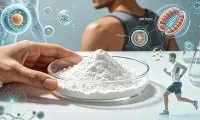
What is Loquat Leaf Extract?
Loquat (Eriobotrya japonica) is an evergreen tree whose leaves have been used for centuries in traditional Chinese and Japanese medicine. Loquat leaf extract is made by steeping the leaves of the loquat tree in water or alcohol to extract the plant compounds.
The resultant extract contains triterpenes, flavonoids, sesquiterpenes, and other polyphenols that have shown promising health benefits in scientific studies. These include amygdalin, corosolic acid, ursolic acid, oleanolic acid, and tormentic acid. The extract has an amber color and is consumed orally.

Potential Health Benefits
Research on loquat leaf powder indicates a number of possible wellness advantages. Some of the purported benefits include:
Blood Sugar Regulation
Animal studies show compounds in loquat leaf powder extract, like corosolic acid, can help lower blood sugar levels and control diabetes. The extract may boost insulin sensitivity, regulate metabolism, and support pancreatic function.
Cholesterol Lowering
The triterpenes found in loquat leaves demonstrate antihyperlipidemic effects. Loquat extract helps lower LDL cholesterol and triglyceride levels, while raising HDL cholesterol. This may support heart health.
Skin Rejuvenation
Loquat extract contains antioxidants that fight free radical damage to smooth, strengthen and brighten skin. It also promotes collagen production to prevent wrinkles and combat aging.
Respiratory Relief
Traditional practices use loquat syrup to soothe sore throats and coughs. The leaves contain antioxidants and polyphenols that exhibit anti-inflammatory benefits to help relieve respiratory irritation.
While these health claims show promise, more human research is needed to fully verify loquat leaf extract powder’s therapeutic effects. It’s best to consult a doctor before using it to treat any medical conditions.
Supplies and Ingredients
Making your own loquat leaf extract at home only requires a few simple supplies. Here is what you’ll need:
- Fresh loquat leaves or dried loquat leaves - Look for organic, pesticide-free leaves if possible. You can forage leaves from loquat trees or purchase them.
- Sealable glass jar - Mason jars work well. Make sure it’s thoroughly cleaned and sterilized.
- Alcohol or boiling water - Vodka or food-grade ethanol are common choices. For water extraction, filtered or distilled is best.
- Strainer - Cheesecloth or a sieve work well for straining the extract.
- Dark glass bottle with dropper - For storing finished extract. Amber bottles help preserve active ingredients.
You may be able to find loquat leaves at health food stores, herbal shops or Asian specialty markets. Otherwise, purchase them online directly from reputable growers.
Step-by-Step Instructions
Follow these steps to easily make loquat leaf extract:
Leaf Preparation
1. Wash fresh loquat leaves thoroughly and pat dry with a paper towel.
2. If using dried leaves, inspect and rinse quickly to remove any dust or debris.
Making the Extract
3. Place leaves in the sterilized glass jar - about 1⁄2 cup lightly packed.
4. Pour alcohol or boiling water over the leaves until they are fully submerged. Use a 1:2 ratio for best extraction.
5. Seal the jar tightly and shake vigorously for a minute to disperse the leaves.
Steeping
6. Store the sealed jar in a cool, dark place for 4-6 weeks, shaking daily.
7. For a quicker extract, steep leaves for 2 weeks in a warm place, shaking frequently.
Straining
8. Place cheesecloth or a sieve over a bowl and carefully strain the leaves, reserving the liquid extract.
9. Squeeze the leaves to extract as much fluid as possible.
10. Discard the strained leaves.
Storing Extract
11. Pour the finished extract into a sterilized, amber glass bottle.
12. Store in a cool location away from light for up to a year.
Tips and Precautions
Here are some tips for working with loquat leaf extract:
- Shake the extract well before each use to properly mix the ingredients.
- Consider doing a skin patch test with diluted extract before topical use to check for allergic reactions.
- Loquat leaf is generally safe but may cause side effects like nausea or dizziness if over-consumed.
- Consult your doctor before ingesting loquat extract for any serious health conditions or taking prescribed medications.
- Keep out of reach of children. Loquat leaves contain toxic chemicals like amygdalin when eaten raw.
- Avoid use during pregnancy or breastfeeding as a precautionary measure since research is limited.
It’s important to be aware of proper dosage guidelines based on the extract’s concentration and only purchase from trusted suppliers. Be sure to follow storage instructions to preserve potency.
Alternatives to Making at Home
While home extraction allows you to control the quality and customize the end product, purchasing pre-made bulk loquat leaf extract is an alternative for convenience. Bottled options include:
Loquat Extract Capsules - Encapsulated powdered extract for easy dosing. Look for supplements with minimal additives.
Loquat Extract Tincture - A liquid extract with loquat leaves steeped in alcohol. Shake before use.
Loquat Tea - Often a blend of loquat leaves with other herbs like chrysanthemum. Steep bagged tea in hot water.
Loquat Syrup - A concentrated extract blended with natural sweeteners like honey or sugar. Add to beverages.
When buying loquat extract, opt for organic, non-GMO products from reputable brands. Check the ingredient list and dosage guidelines. While less hands-on, prepared extracts offer versatility and efficiency.
Can you dry loquat leaves for tea?
Yes, you can dry loquat leaves at home and use them to make a soothing, caffeine-free herbal tea. Here are some tips:
- Harvest loquat leaves once they are mature, deeply green, and healthy. Choose pesticide-free leaves if possible.
- Gently wash leaves and pat thoroughly dry with paper towels. Any moisture will cause mold growth.
- Lay leaves out in a single layer on baking sheets or mesh racks. Place in a warm, dry, well-ventilated area out of direct sunlight.
- Allow leaves to dry for 1-2 weeks. Leaves are ready when fully crisp and brittle.
- To quicken drying, use a food dehydrator on a very low temperature setting. Avoid high heat.
- Once dried, store leaves whole or crumbled in sealed jars away from humidity and heat.
- To make tea, simply add 1 tablespoon dried leaves to 8 ounces boiled water. Steep for 5-10 minutes, strain and enjoy.
- Dried loquat leaves make a mellow, slightly fruity tea. It can be enjoyed hot or chilled.
- For stronger medicinal effects, decoct leaves in water by gently simmering for 15 minutes before straining.
Properly dried loquat leaves will remain potent for up to a year stored in a cool, dark place. Their antioxidant compounds make a refreshing herbal infusion full of health benefits. Enjoy dried loquat leaf tea daily.
Can you make loquat tea from fresh leaves?
While most loquat tea is made from dried leaves, you can certainly brew tea using fresh loquat leaves as well. Here are some tips:
- Harvest fresh young loquat leaves in spring when they are bright green. Choose organic leaves whenever possible.
- Gently wash the leaves and pat them completely dry before use. Any moisture can cause the leaves to go bad quickly.
- Use more fresh leaves compared to dried since their moisture content is higher. A general ratio is 3 fresh leaves per 1 dried leaf.
- Stack leaves and roll gently with a rolling pin to slightly bruise them before brewing. This helps release their aromatic oils.
- Place leaves directly into a teapot or infuser. Pour freshly boiled water over them and let steep for 5-7 minutes.
- You can steep the leaves a second time to extract maximum flavor and health benefits.
- Strain the tea into cups, pressing the leaves to get all the liquid out. Compost the used leaves.
- Fresh loquat leaf tea has a more vibrant, grassy, and floral taste compared to dried leaf tea.
- Drink the tea immediately before it loses freshness - within a day or two when refrigerated.
With their pleasant, citrusy fragrance, fresh loquat leaves make a revitalizing tea full of antioxidants to enjoy all spring and summer long.
Botanical Cube Inc. is a professional plant extract supplier. As a China Loquat Leaf Extract supplier, we can provide the best quality of Loquat Leaf Extract. Our products are sourced from organic, non-GMO ingredients and undergo strict quality control measures to ensure their purity and potency. For more information or to place an order, please contact sales@botanicalcube.com.
References:
1. Bais, S., Gill, N.S., Rana, N., & Shandil, S. (2015). A phytopharmacological review on a medicinal plant: Eriobotrya japonica. International Journal of Pharmacy and Pharmaceutical Sciences, 7(2), 13-16.
2. Jabeen, F., Nayik, G.A., Alam, P., Gull, A., Wani, S.M., Gani, A., ... Shah, A. (2021). Loquat (Eriobotrya japonica Lindl.) leaf: a treasure trove of natural antioxidants for functional foods. Journal of Food Science and Technology, 58(12), 4525-4537.
3. Mushtaq, M., Sultana, B., Anwar, F., Adnan, M., & Rizwan, K. (2018). Enzyme-assisted supercritical fluid extraction of bioactive compounds from loquat (Eriobotrya japonica Lindl.) leaves and their biological activities. The Journal of Supercritical Fluids, 131, 59-66.
4. Nuengchamnong, N., Krittasilp, K., & Ingkaninan, K. (2015). Characterisation of phenolic compounds in Eriobotrya japonica Lindl. leaf. Food Chemistry, 170, 1-6.
5. Saleem, T.S.M., Chetty, C.M., Ramkanth, S., Rajan, V.S.T., Kumar, K.M., & Gauthaman, K. (2010). Hepatoprotective herbs – a review. International Journal of Research in Pharmaceutical Sciences, 1(1), 1-5.
6. Wang, Y., Pan, Z., Huang, S., Wang, Y., Zhou, G., Aierken, A., ... & Lin, X. (2017). Loquat (Eriobotrya japonica) leaf extract improves insulin resistance and attenuates HepG2 cell proliferation and apoptosis induced by high glucose. Nutrition Research, 40, 57-68.
7. Zhang, L., Tu, Z., Yuan, T., Wang, L., Xie, X., Fu, Z. (2017). Antidiabetic effects of Eriobotrya japonica seed extract in type 2 diabetic rats and mice. Journal of Ethnopharmacology, 199, 204-211.
8. Zheng, L., Zhao, M., Xiao, C., Zhao, Q., Su, G., Yang, J., ... & Li, S. (2016). Effects of polysaccharides from loquat leaf on growth performance, blood parameters and cytokines expression in weaned piglets during immunological stress. BMC veterinary research, 12(1), 1-7.