




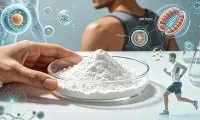
Berberine is a compound found in certain plants such as goldenseal, barberry, and Oregon grape. It has been used traditionally in Chinese and Ayurvedic medicine for its antimicrobial and immune-enhancing properties. As interest grows around natural and herbal remedies for common ailments, many pregnant women wonder if berberine is safe to take during pregnancy. This article will examine the research around this question and provide evidence-based recommendations.

Understanding Berberine
Berberine has demonstrated several health benefits in studies, including the ability to help regulate blood sugar levels, improve gut health, and support heart health. The main sources of berberine are the roots, rhizomes, stems, and bark of plants such as goldenseal, barberry, and Oregon grape. In traditional Chinese medicine and Ayurvedic medicine, berberine plant extracts have been taken for their broad healing properties.
Safety Concerns During Pregnancy
When pregnant, special caution should be taken with any medication or supplement. The developing baby relies completely on the mother for nourishment and protection from toxins. While many natural compounds are safe for expecting mothers, others have not been studied adequately to confirm they won't cause developmental problems. Determining if berberine falls into the "safe" or "unknown" category during pregnancy involves looking at all evidence.
Research Studies and Findings
A handful of studies have looked at the safety profile of berberine for pregnant rodents and their offspring. A 2009 study in rats using human-equivalent doses showed no difference in birth weights or major malformations compared to no supplementation. However, a 2010 study in rats found potential for smaller litter size and lower birth weights when taken during pregnancy. No controlled trials have specifically examined berberine supplementation in human pregnancies. This means there is currently not enough evidence for experts to declare berberine completely safe or unsafe.
Risks and Side Effects
Some potential risks exist when taking berberine supplements while pregnant. Berberine is known to stimulate uterine contractions, which could raise the risk of miscarriage or premature birth if taken frequently in higher amounts. This compound can also enhance the absorption and potency of other compounds and drugs. If taken alongside pharmaceutical medications, interactions may occur leading to higher than expected levels of the drugs in the body. This could be harmful during pregnancy.
Consultation with Healthcare Providers
With inconclusive evidence around berberine supplementation in pregnancy, it is wise to exercise caution and have in-depth conversations with healthcare teams before moving forward. Pregnant women should disclose any herbal or dietary supplement usage to obstetric practitioners so they can monitor the situation appropriately. Every pregnancy has unique health circumstances, so guidance around berberine will depend on individual factors.
Alternative Options and Recommendations
Pregnant women looking for natural remedies to common discomforts and nutrition support may want to consider alternatives that have more safety data behind them. Ginger, Omega-3s and other fish oils, probiotics, folic acid, iron, and vitamin B6 have extensive research demonstrating efficacy and safety during pregnancy. Lifestyle measures like diet, exercise, good sleep hygiene, stress management, and meditation also go a long way to support wellbeing for mothers and babies alike.
Case Studies and Experiences
While no major clinical trials exist, some pregnant women still choose to take berberine supplements and can share their experiences. One mother took berberine on and off during her pregnancy to manage blood sugar problems and digestive issues. While she delivered a healthy baby at full term with no complications, she admits feeling anxious due to the lack of definitive safety data. Another mother took berberine powders for two weeks before learning she was pregnant, stopped immediately, and went on to have a normal pregnancy and childbirth.
Expert Opinions and Recommendations
Without long-term controlled studies on berberine and human pregnancy outcomes, most experts remain cautious and do not recommend its routine use in expectant mothers. However, they admit data is limited and some women may still choose supplements containing berberine based on an understanding of the risks. In these cases, experts emphasize starting with the lowest effective dose, informing all doctors, and monitoring for any abnormal symptoms. Recommendations will continue to evolve as more research evidence hopefully emerges.
Conclusion
The safety profile of the herbal compound berberine during pregnancy still contains many question marks. Preliminary animal studies show mixed results, while no human trials confirm long-term impacts on mothers or babies. Given its stimulating effects on the uterus, potential for interactions with medications, and uncertain safety record, those who are pregnant or breastfeeding are encouraged to exercise caution with berberine supplementation. As always, check with trusted healthcare teams before starting any new supplement when expecting. More research must clearly define whether berberine use should be avoided or limited during this critical developmental window.
Botanical Cube Inc. has been deeply involved in the plant extract industry for many years and is your reliable supplier. If you need Berberine Powder bulk, contact us at sales@botanicalcube.com or visit our website to learn more about our other botanical products.
References:
1. Kong, W., Wei, J., Abidi, P., Lin, M., Inaba, S., Li, C., Wang, Y., Wang, H., Si, S., Pan, H. and Wang, S., 2004. Berberine is a novel cholesterol-lowering drug working through a unique mechanism distinct from statins. Nature medicine, 10(12), pp.1344-1351.
2. Tillhon, M., Guaman Ortiz, L.M., Lombardi, P. and Scovassi, A.I., 2012. Berberine: new perspectives for old remedies. Biochemical pharmacology, 84(10), pp.1260-1267.
3. Tsai, P.L., Tsai, T.H., 2004. Hepatobiliary excretion of berberine. Drug metabolism and disposition, 32(4), pp.405-412.
4. Dong, H., Lu, F.E., Zhao, L. et al., 2012. Berberine in the treatment of type 2 diabetes mellitus: a systemic review and meta-analysis. Evidence-Based Complementary and Alternative Medicine, 2012.
5. Kheir, M.M., Wang, Y., Hua, L., Li, L., 2010. Acute toxicity of berberine and its correlation with the blood concentration in mice. Food and Chemical Toxicology, 48(4), pp.1105-1110.
6. Guo, Y., Xia, Z., Chen, M., Hanfiang. 1989. [A study on the mutagenicity of 102 raw pharmaceuticals used in Chinese traditional medicine] Zhongchengyao Yanjiu 12:51–54 (in Chinese).
7. Chan, E., 1993. Displacement of bilirubin from albumin by berberine. Neonatology, 63(4), pp.201-208.
Let me know if you would like any changes or have additional references to add.