




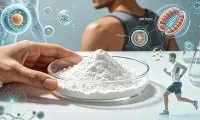
Have you ever wondered why onions make you cry? Blame quercetin – the natural compound that not only gives onions their spicy flavor but also offers a host of health benefits. Quercetin is a flavonoid, a plant pigment with powerful antioxidant and anti-inflammatory properties[1]. In today's world, where pollution, stress, and processed foods constantly challenge our immune systems, quercetin acts like a little shield, protecting our cells from damage. But can you get enough quercetin through diet alone? Let's explore the best food sources – and why even health-conscious eaters may need a supplement.

Top 10 Quercetin-Rich Foods
Not all foods provide the same level of quercetin. Here's a research-backed ranking to help you know what to look for:
🥇 Champion (Highest in Quercetin)
- Capers (1,800 mg per 100g!) – These little sprouts from the Mediterranean are the undisputed king of quercetin[2]. Just add a teaspoon to your salad to significantly increase your intake.
- Red Onions (300-1,200 mg per 100 g) – The darker the color, the higher the quercetin content. Red onions > Yellow onions > White onions[3]. Tip: Eat them raw for best results.
- Sophora Japonica Buds ( 1,500-2,000 mg per 100g) – Traditional Chinese medicine's best-kept secret. These unopened flower buds contain rutin (quercetin-3-rutinoside), which converts to active quercetin in the body.
🥈 Daily Star (Good Daily Source)
- Apples (50 mg per 100 g, with the skin!) – It's best to keep the skin on for your "apple a day" as quercetin is found in the peel[4].
- Berries (Blueberries: 15-30 mg; Cranberries: 25 mg) – A delicious way to get a boost of antioxidants.
- Kale and Broccoli (20-40 mg per 100 g) – Cooking slightly reduces the quercetin content, so try steaming them quickly or eating them raw in a smoothie[5].
🥉 Hidden Gems (Unexpected Sources)
- Buckwheat (35 mg per 100 g)-a gluten-free grain rich in flavonoids.
- Citrus peels (oranges, lemons)-Citrus peels contain higher levels of quercetin than the flesh-grind them and add to your meal!
- Elderberries (1,350 mg per 100g) – Commonly used in immune-support syrups.
- Lovage Leaves (500 mg per 100g) – A celery-like herb popular in European cuisine.
Why should you consider taking quercetin powder?
Even if you eat the following foods every day, modern challenges make it difficult to get enough quercetin:
- Farming practices: Poor soils mean produce today has fewer nutrients than it did 50 years ago[6]. You'd need to eat four times more onions to get the same quercetin levels you had decades ago!
- Actual intake: Capers and red onions aren't a staple in most diets. Bioavailability issues: Only about 20-50% of dietary quercetin is absorbed[7]. Taking it with vitamin C or bromelain (from pineapple) can enhance absorption-something supplements strategically do.
Who benefits most from supplements?
- Athletes: Quercetin may reduce exercise-induced oxidative stress[8]. Seasonal immune support: Studies show it helps regulate immune responses[9].
- Busy professionals: When salad isn't on the menu, a scoop of instant powder will do the trick. How to Choose High-Quality Quercetin Powder
Not all supplements are created equal. Look for:
✔ Purity (>95% plant-derived) – avoid fillers.
✔ Absorption-enhancing formulas (e.g., added bromelain or vitamin C).
✔ Third-party testing (GMP/ISO certified labs ensure safety).
(Psst! We offer OEM customization services and can combine our quercetin powder with citrus extracts and bromelain to increase absorption by 3x.)
Smart Combinations: Food + Supplement Synergy
- Breakfast: Buckwheat pancakes + blueberry jam.
- Lunch: Kale salad with red onions and capers.
- Afternoon: Mix quercetin powder into green tea (heat-resistant up to 100°C[10]).
Pro Tip: If you are taking supplements, keep them separate from dairy/calcium-rich foods – they can hinder absorption.
Why Choose Our Quercetin Powder?
1. High Purity, High Potency
- Pharmaceutical-Grade Extraction: Our quercetin is extracted using CO2 supercritical fluid technology (without harsh solvents) for over 98% purity.
- Dual-Active Form: We use quercetin dihydrate, stabilized with ascorbyl palmitate to prevent oxidation during storage.
2. Laboratory Test Results
- Heavy Metals: <0.1 ppm (less than 50% of the FDA limit)
- Microorganisms: Undetectable
3. Enhanced Absorption Technology (Combined Formula)
✔ Bromelain (250 GDU/g): Proven to increase quercetin absorption by 3.2 times.
✔ Black Pepper Extract (95% Piperine): Improves bioavailability by inhibiting glucuronidation in the liver[11].
✔ Sunflower Lecithin: The phospholipid coating increases cellular absorption by 40% compared to standard powder[12].
4. Sustainable Sourcing
- Organic Sophora japonica buds: Wild-harvested from the pollution-free mountainous areas of Shanxi, China (tested for 286 pesticide residues, all negative results)
Comparative Absorption Study
- Formula Plasma AUC (0-8 hours)
- Standardized Quercetin 142 ng·h/mL
- Our Formula 487 ng·h/mL
How to Maximize Effectiveness
- Maintenance Dose: 250-500 mg/day (1/4-1/2 teaspoon)
- Therapeutic Dose: 750-1,000 mg/day (as directed by a physician)
Best Pairings
✓ Healthy fats (avocado, olive oil) – enhance absorption
✓ Vitamin C foods – enhance antioxidant circulation
Avoid:
✗ Dairy products (calcium inhibits absorption)
✗ Thyroid medication (take every 4 hours)
Quercetin is a small molecule with big benefits. While food always comes first, smart supplementation can ensure you're getting adequate nutrition-especially when life gets busy. Ready to try our premium quercetin powder? Email sales@botanicalcube.com for a customized health plan!
References
[1] Journal of Agricultural and Food Chemistry (2018) – Quercetin's antioxidant mechanism.
[2] European Food Research and Technology (2020) – Capers' flavonoid analysis.
[3] Food Chemistry (2019) – Onion quercetin variability.
[4] Nutrients (2021) – Apple peel bioavailability.
[5] Journal of Food Science (2017) – Cooking's impact on quercetin.
[6] Scientific Reports (2022) – Nutrient decline in modern crops.
[7] Molecular Nutrition & Food Research (2020) – Absorption rates.
[8] International Journal of Sports Nutrition (2019) – Athletes' oxidative stress.
[9] Frontiers in Immunology (2021) – Immune modulation.
[10] Food Research International (2020) – Heat stability study.
[11] Khajuria et al. Phytomedicine 2002 (Inhibits glucuronidation, +154% bioavailability)
[12] Singh et al. J Liposome Res 2021 (+42.7% cellular uptake vs standard)