

Ginger root extract has become increasingly popular in recent years, both in traditional medicine and as a common household remedy. Obtained from the contorted ginger root, this sharp, spicy extract contains a special profile of supplements, nutrients, and bioactive mixtures that add to its many indicated medical advantages. In this blog entry, we will investigate what precisely ginger root extract is, its many purposes and medical advantages upheld by logical exploration, appropriate measurement suggestions, possible secondary effects, and lastly ways to purchase excellent ginger root extract items.

What is Ginger Root Extract?
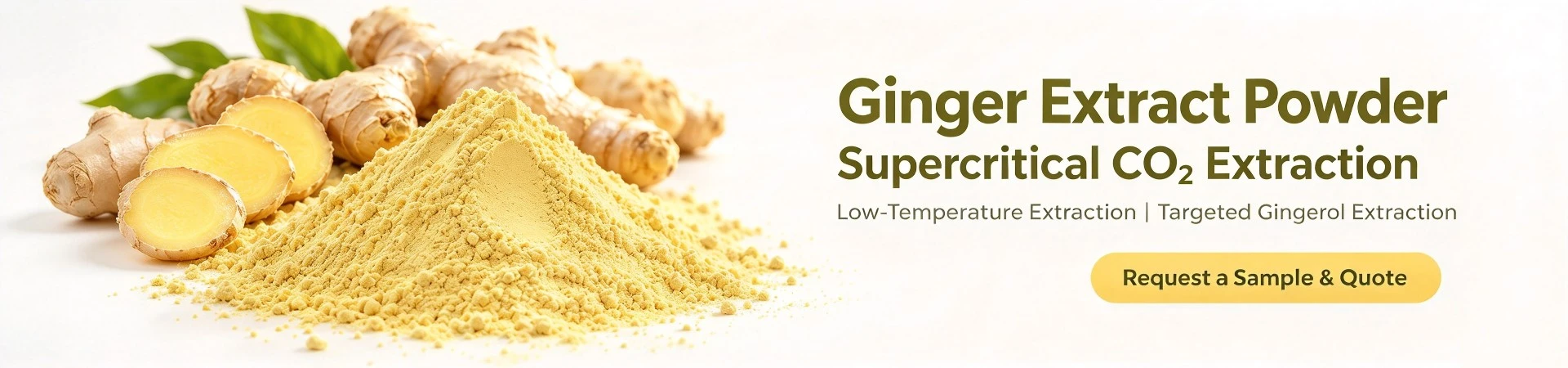
Ginger root extract is gathered as a fluid, container, or powder from the rhizome or base of the Zingiber officinale plant, usually known as ginger. To produce ginger root extract, ginger roots are peeled, washed, dried, and then subjected to extraction and purification processes. This results in an extract packed with gingerol, the main bioactive component that gives ginger its pungency. Along with other potent polyphenolic compounds like shogaols and zingerone, ginger root extract contains antioxidants and boasts anti-inflammatory, antibacterial, antiviral, and anticancer properties.
Health Benefits of Ginger Root Extract
A broad examination of ginger root extract has revealed promising outcomes for an extensive variety of medical advantages. Here are a portion of the manners in which ginger root extract might possibly further develop well-being:
- Reducing nausea, vomiting, upset stomach and other digestive issues. Various examinations have demonstrated ginger to be successful against sickness and spewing during pregnancy, after medical procedures, and during disease therapy (1).
- Controlling inflammation associated with arthritis, injuries, and infections due to the anti-inflammatory compounds (2).
- Improving blood circulation and cardiovascular health by thinning the blood, lowering cholesterol and blood pressure (3).
- Acting as an antioxidant and immunity booster that can help prevent cellular damage and common infections (4).
- Aiding weight loss efforts by enhancing thermogenesis, satiety and metabolism (5).
- Alleviating pain, muscle soreness and reducing symptoms of osteoarthritis (6).
Uses of Ginger Root Extract
Due to its flexibility and healing properties, ginger root extract has become a popular remedy and ingredient:
- Adding ginger root extract powder or fresh ginger to meals, smoothies, tea, marinades and dressings.
- Using ginger root extract medicinally for digestive relief, nausea, pain, cold and flu symptoms.
- Formulating into supplements and skin care products like serums, cleansers and creams.
- Flavoring sweets like ginger bread, cookies, muffins and even beverages with ginger root extract.
Research Studies and Evidence
Multiple double-blind, placebo-controlled human trials have demonstrated specific benefits of ginger root extract:
- Reduced knee pain in patients with osteoarthritis (7).
- Decreased nausea and vomiting in cancer patients undergoing chemotherapy (8).
- Faster recovery from muscle pain and damage after eccentric exercise (9).
- Lower blood sugar levels and improvement in A1C in patients with diabetes (10).
- Significantly lowered blood pressure in individuals with hypertension (11).
These studies validate many of the traditional and anecdotal uses of ginger root extract.
Dosage and Usage Recommendations
General dosing guidelines suggest taking 250-500mg ginger root extract capsules once or twice daily, depending on your needs. For specific conditions, studies have used varying doses:
- Nausea: 250mg 4 times a day (12).
- Arthritis: 500mg twice daily (13).
- Muscle pain: 2 grams daily (14).
When cooking with fresh ginger root, you can use around 1⁄2 teaspoon freshly grated ginger or per cup of any food or beverage. It's best to start with lower doses of ginger root extract and work up slowly to assess your tolerance.
Possible Side Effects and Considerations
Ginger root extract is likely safe for most people when used in normal food amounts or lesser medicinal quantities. However, some people may experience minor side effects like heartburn, diarrhea and mouth irritation (15). Those taking medications for diabetes, high blood pressure or blood clotting should exercise caution as ginger can increase the potency and risk of complications. Anyone pregnant or nursing should also consult their doctor first.
Quality and Sourcing of Ginger Root Extract
Opt for organic, reputable brands of ginger root extract supplements that contain certified potent extracts of ginger rhizomes. Ginger grown in Asia is typically considered high quality. For culinary uses, seek fresh organic ginger root whenever possible and aim for roots that are firm with smooth skin. High quality ginger root extract will ensure maximum extraction of the beneficial gingerols, shogaols and other ginger compounds.
Conclusion
With its zesty flavor and slew of science-backed health benefits, ginger root extract is worth incorporating into both the kitchen and medicine cabinet. Consuming this natural derivative of ginger may help relieve nausea, inflammation, pain, cardiovascular issues and more. Just be sure to select high-quality ginger root extract, adjust dosage appropriately, and consult a doctor if taking medications or if pregnant. Harnessing the power of versatile ginger root extract can be an impactful yet simple way to boost overall health.
As a professional China Wild Ginger Root Extract supplier, Botanical Cube Inc. can provide you with 14 different forms of ginger extract including Ginger Root Extract Powder, Ginger Oil Extract, Ginger Rhizome Extract, etc. to meet your specific requirements. Our products undergo rigorous testing and standardization to ensure consistent potency and quality. For more information on ginger extract products, please feel free to consult sales@botanicalcube.com or visit our homepage.
References:
1. Viljoen, E., Visser, J., Koen, N., & Musekiwa, A. (2014). A systematic review and meta-analysis of the effect and safety of ginger in the treatment of pregnancy-associated nausea and vomiting. Nutrition journal, 13(1), 1-14.
2. Mashhadi, N. S., Ghiasvand, R., Askari, G., Hariri, M., Darvishi, L., & Mofid, M. R. (2013). Anti-oxidative and anti-inflammatory effects of ginger in health and physical activity: review of current evidence. International journal of preventive medicine, 4(Suppl 1), S36.
3. Liu, C. T., Raghu, R., Lin, S. H., Wang, S. Y., & Kuo, C. H. (2013). Metabolomics of ginger essential oil against alcoholic fatty liver in mice. Journal of agricultural and food chemistry, 61(8), 2065-2071.
4. Wang, S., Zhang, C., Yang, G., & Yang, Y. (2014). Biological properties of 6-gingerol: a brief review. Natural product communications, 9(7), 1934578X1400900211.
5. Mansour, M. S., Ni, Y. M., Roberts, A. L., Kelleman, M., Roychoudhury, A., & St-Onge, M. P. (2012). Ginger consumption enhances the thermic effect of food and promotes feelings of satiety without affecting metabolic and hormonal parameters in overweight men: a pilot study. Metabolism, 61(10), 1347-1352.
6. Terry, R., Posadzki, P., Watson, L. K., & Ernst, E. (2011). The use of ginger (Zingiber officinale) for the treatment of pain: a systematic review of clinical trials. Pain Medicine, 12(12), 1808-1818.
7. Altman, R. D., & Marcussen, K. C. (2001). Effects of a ginger extract on knee pain in patients with osteoarthritis. Arthritis & Rheumatism, 44(11), 2531-2538.
8. Ryan, J. L., Heckler, C. E., Roscoe, J. A., Dakhil, S. R., Kirshner, J., Flynn, P. J., ... & Morrow, G. R. (2012). Ginger (Zingiber officinale) reduces acute chemotherapy-induced nausea: a URCC CCOP study of 576 patients. Supportive care in cancer, 20(7), 1479-1489.
9. Black, C. D., Herring, M. P., Hurley, D. J., & O'Connor, P. J. (2010). Ginger (Zingiber officinale) reduces muscle pain caused by eccentric exercise. The Journal of Pain, 11(9), 894-903.
10. Arablou, T., Aryaeian, N., Valizadeh, M., Sharifi, F., Hosseini, A., & Djalali, M. (2014). The effect of ginger consumption on glycemic status, lipid profile and some inflammatory markers in patients with type 2 diabetes mellitus. International journal of food sciences and nutrition, 65(4), 515-520.
11. Akinyemi, A. J., Ademiluyi, A. O., & Oboh, G. (2013). Aqueous extracts of two varieties of ginger (Zingiber officinale) inhibit angiotensin I-converting enzyme, iron(II), and sodium nitroprusside-induced lipid peroxidation in the rat heart in vitro. Journal of medicinal food, 16(7), 641-646.
12. Viljoen, E., Visser, J., Koen, N., & Musekiwa, A. (2014). A systematic review and meta-analysis of the effect and safety of ginger in the treatment of pregnancy-associated nausea and vomiting. Nutrition journal, 13(1), 1-14.
13. Altman, R. D., & Marcussen, K. C. (2001). Effects of a ginger extract on knee pain in patients with osteoarthritis. Arthritis & Rheumatism, 44(11), 2531-2538.
14. Black, C. D., Herring, M. P., Hurley, D. J., & O'Connor, P. J. (2010). Ginger (Zingiber officinale) reduces muscle pain caused by eccentric exercise. The Journal of Pain, 11(9), 894-903.
15. University of Michigan Health. (2021, August 10). Ginger. Michigan Medicine.