




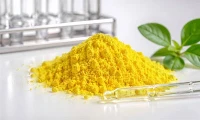
Gingerol is the active compound that gives ginger its unique flavor and medicinal properties. Fresh ginger contains high amounts of gingerol, making it a powerful natural remedy for various health issues. In this blog post, we’ll explore what gingerol is, its health benefits, and potential side effects.

What is Gingerol?
Gingerol is the main bioactive compound found in fresh ginger. It belongs to a class of compounds called phenols and is responsible for the pungent taste of the ginger root. Chemically, gingerol contains a vanillyl moiety with a ketone group. The most abundant gingerol in raw ginger is 6-gingerol, making up around 33% of the gingerols (1).
Ginger also contains other gingerol-related compounds like shogaols, zingerone, and paradols, but in lower concentrations. The total ginger extract content can vary from 1-3% depending on factors like the plant variety and origin (2). During cooking and drying, gingerols get converted to shogaols, resulting in a more pungent flavor profile.
Gingerol is primarily found in the root or rhizome of the ginger plant Zingiber officinale. It’s native to parts of Asia and India but now cultivated globally in tropical regions. In addition to culinary use, ginger has a long history in traditional medicine systems like Ayurveda and Traditional Chinese medicine for its health-promoting properties.
Anti-Inflammatory Properties
Chronic inflammation is linked to several diseases like heart disease, cancer, diabetes and arthritis (3). Gingerol exhibits powerful anti-inflammatory effects that may help in managing inflammatory conditions.
Inflammation results from complex processes in the body that involve inflammatory cytokines, neurotransmitters, and enzymes like COX and lipoxygenase (4). Research indicates that gingerol can inhibit several pro-inflammatory pathways.
For instance, a study showed 6-gingerol significantly suppressed levels of the inflammatory marker TNF-α and reduced inflammation in cells (5). Another study found it was a potent inhibitor of COX-2 expression, an inflammatory enzyme (6).
Due to these molecular mechanisms, ginger root extract may be beneficial for inflammatory conditions like arthritis, muscle pain and cardiovascular diseases. In osteoarthritis, ginger extracts containing gingerols reduced knee pain and improved mobility as effectively as pain medication (7, 8)
Antioxidant Effects
Oxidative stress caused by free radicals can damage cells and is thought to play a role in aging, cancer and neurodegenerative diseases. Gingerol displays antioxidant activities that may counteract some of this damage in the body (9).
In lab studies, gingerol protected against DNA damage and lipid peroxidation induced by hydroxyl radicals (10). It also increased levels of antioxidant enzymes like superoxide dismutase and catalase in the liver (11).
The antioxidant capacity of gingerol is attributed to its chemical structure. The vanillyl moiety can donate hydrogen atoms to neutralize free radicals and prevent them from causing damage to cells (12).
Through these antioxidant mechanisms, gingerol may offer protection against oxidative stress-related conditions like Alzheimer’s disease (13). However, more clinical studies are needed to confirm these effects in humans.
Digestive Health Benefits
Gingerol can provide relief for various digestive issues including nausea, vomiting, diarrhea, abdominal pain and bloating. Its carminative effect helps relax the intestinal tract and stimulates digestion.
For nausea, ginger is considered a safe and effective remedy. In a meta-analysis, 1 to 1.5 grams of ginger significantly reduced nausea caused by seasickness, morning sickness and chemotherapy (14). Gingerol is thought to contribute to these antiemetic effects.
Gingerol may also enhance digestion by increasing bile secretion and pancreatic enzymes (15). One study showed it accelerated gastric emptying and stimulated antral contractions in patients with indigestion (16).
Through its gastrointestinal effects, gingerol can help relieve digestive problems like dyspepsia, colic, and stomach aches. More clinical research is still needed to establish optimal dosing and safety though.
Other Potential Benefits
In addition to the major health benefits above, preliminary research suggests gingerol may offer other advantages:
Pain Relief - In a trial of 247 people with osteoarthritis, ginger extracts reduced pain and disability (17). This demonstrates gingerol’s potential as a natural painkiller.
Antimicrobial Effects - Gingerol displays antibacterial activity against oral bacteria and fungi. This may help prevent cavities and infections (18).
Cardiovascular Protection - Animal studies indicate gingerol can support heart health by lowering cholesterol levels and blood pressure (19, 20).
Skin Health - Gingerol’s antioxidant effects may protect the skin from aging. Applying it topically may improve skin tone and elasticity (21).
Hair Growth - Ginger root extract applied to hair follicles may stimulate growth in dormant follicles, leading to thicker hair (22).
However, human studies are limited in these areas. More research is needed to confirm gingerol’s efficacy for these uses.
What Organ Does Ginger Detox?
Ginger is sometimes described as a detoxifying food, but it doesn’t specifically target one organ. Ginger may support detoxification in a general way by:
- Stimulating digestion and liver function. This helps metabolize and eliminate toxins from the body.
- Its diaphoretic effect causes sweating, which eliminates toxins through the skin.
- Acting as a diuretic to flush out toxins in the urine.
- Increasing circulation, which enhances the delivery of oxygen and nutrients to cells.
- Its antioxidant properties counteract oxidative stress from toxins and free radicals.
So while ginger doesn’t detoxify any particular organ, adding it to your diet can support overall detoxification through various mechanisms.
Can Too Much Ginger Be Harmful?
When consumed in moderation, ginger is considered very safe. But taking too much ginger may have side effects due to its heat-generating properties.
In doses over 4 grams per day, ginger may cause mild heartburn and stomach upset (23). There have also been rare reports of allergic reactions to ginger supplements.
Additionally, ginger can interact with medications like blood thinners and diabetes drugs. It’s best to consult your doctor before taking ginger if you take any medications or have a medical condition.
During pregnancy, intakes of more than 1 gram per day should be avoided as ginger may increase the risk of bleeding problems. Ginger is considered safe during breastfeeding though when used in culinary amounts.
What Are the Side Effects of Gingerol?
Gingerol is considered safe when ginger is consumed in food amounts. But in supplemental doses, potential side effects can include:
- Heartburn
- Stomach upset
- Mouth irritation
- Diarrhea
- Headache
- Rash (rare)
To avoid side effects, adults should limit gingerol supplements to 1 gram per day and take with food. The risk of side effects appears to be low when ginger is consumed as a spice in cooking.
Anyone with gallstones or other medical conditions should consult their doctor before supplementing with gingerol. Pregnant women should also exercise caution as excessive ginger intake is not recommended.
Conclusion
Gingerol is a medicinally active compound that lends ginger its unique health benefits. Research suggests ginger extract acts as a natural anti-inflammatory, antioxidant, and digestive aid. It shows promise for treating inflammatory disorders, nausea, digestive problems, infections, and more. But overusing ginger supplements may come with gastrointestinal side effects. Incorporating fresh ginger into cooking and teas is a safe way to take advantage of gingerol’s therapeutic effects.
Botanical Cube Inc., as a China Ginger Root Extract Powder supplier in the plant extract industry, offers high-quality Ginger Extract. Feel free to contact us at sales@botanicalcube.com or visit our website to learn more about our products and how they can support your health and wellness journey.
References:
1. Ali BH, Blunden G, Tanira MO, Nemmar A. Some phytochemical, pharmacological and toxicological properties of ginger (Zingiber officinale Roscoe): a review of recent research. Food Chem Toxicol. 2008;46(2):409-20.
2. Ghasemzadeh A, Jaafar HZ, Rahmat A. Synthesis of phenolics and flavonoids in ginger (Zingiber officinale Roscoe) and their effects on photosynthesis rate. Int J Mol Sci. 2010;11(11):4539-55.
3. Calder PC, Albers R, Antoine JM, Blum S, Bourdet-Sicard R, Ferns GA, Folkerts G, Friedmann PS, Frost GS, Guarner F, Lovik M, Macfarlane S, Meyer PD, M'Rabet L, Serafini M, van Eden W, van Loo J, Vas Dias W, Vidry S, Winklhofer-Roob BM, Zhao J. Inflammatory disease processes and interactions with nutrition. Br J Nutr. 2009;101 Suppl 1:S1-45.
4. Grzanna R, Lindmark L, Frondoza CG. Ginger--an herbal medicinal product with broad anti-inflammatory actions. J Med Food. 2005;8(2):125-32.
5. Phan PV, Sohrabi A, Polotsky A, Hungerford DS, Lindmark L, Frondoza CG. Ginger extract components suppress induction of chemokine expression in human synoviocytes. J Altern Complement Med. 2005;11(1):149-54.
6. Tjendraputra E, Tran VH, Liu-Brennan D, Roufogalis BD, Duke CC. Effect of ginger constituents and synthetic analogues on cyclooxygenase-2 enzyme in intact cells. Bioorg Chem. 2001;29(3):156-63.
7. Altman RD, Marcussen KC. Effects of a ginger extract on knee pain in patients with osteoarthritis. Arthritis Rheum. 2001;44(11):2531-8.
8. Bliddal H, Rosetzsky A, Schlichting P, Weidner MS, Andersen LA, Ibfelt HH, Christensen K, Jensen ON, Barslev J. A randomized, placebo-controlled, cross-over study of ginger extracts and Ibuprofen in osteoarthritis. Osteoarthritis Cartilage. 2000;8(1):9-12.
9. Ahmed RS, Seth V, Banerjee BD. Influence of dietary ginger (Zingiber officinales Rosc) on antioxidant defense system in rat: comparison with ascorbic acid. Indian J Exp Biol. 2000;38(6):604-6.
10. Katiyar SK, Agarwal R, Mukhtar H. Inhibition of tumor promotion in SENCAR mouse skin by ethanol extract of Zingiber officinale rhizome. Cancer Res. 1996;56(5):1023-30.
11. Ahmed RS, Suke SG, Seth V, Chakraborti A, Tripathi AK, Banerjee BD. Protective effects of dietary ginger (Zingiber officinales Rosc.) on lindane-induced oxidative stress in rats. Phytother Res. 2008;22(7):902-6.
12. Masuda Y, Kikuzaki H, Hisamoto M, Nakatani N. Antioxidant properties of gingerol related compounds from ginger. Biofactors. 2004;21(1-4):293-6.
13. Kundu JK, Na HK, Surh YJ. Gingerol as a cancer preventive agent: progress and prospects. Cancer Lett. 2008;263(2):177-84.
14. Viljoen E, Visser J, Koen N, Musekiwa A. A systematic review and meta-analysis of the effect and safety of ginger in the treatment of pregnancy-associated nausea and vomiting. Nutr J. 2014;13:20.
15. Plattner K, Bammer G, Saller R. [Ginger: history and use]. Forschende Komplementarmedizin. 1990;2(3):136-43. German.
16. Wu KL, Rayner CK, Chuah SK, Changchien CS, Lu SN, Chiu YC, Chiu KW, Lee CM. Effects of ginger on gastric emptying and motility in healthy humans. Eur J Gastroenterol Hepatol. 2008;20(5):436-40.
17. Bliddal H, Rosetzsky A, Schlichting P, Weidner MS, Andersen LA, Ibfelt HH, Christensen K, Jensen ON, Barslev J. A randomized, placebo-controlled, cross-over study of ginger extracts and Ibuprofen in osteoarthritis. Osteoarthritis Cartilage. 2000;8(1):9-12.
18. Park M, Bae J, Lee DS. Antibacterial activity of [10]-gingerol and [12]-gingerol isolated from ginger rhizome against periodontal bacteria. Phytother Res. 2008;22(11):1446-9.
19. Bhandari U, Sharma JN, Zafar R. The protective action of ethanolic ginger (Zingiber officinale) extract in cholesterol fed rabbits. J Ethnopharmacol. 1998;61(2):167-71.
20. Ghayur MN, Gilani AH, Afridi MB, Houghton PJ. Cardiovascular effects of ginger aqueous extract and its phenolic constituents are mediated through multiple pathways. Vascul Pharmacol. 2005;43(4):234-41.
21. Mukherjee PK, Maity N, Nema NK, Sarkar BK. Bioactive compounds from natural resources against skin aging. Phytomedicine. 2011;19(1):64-73.
22. Miao Y, Sun Y, Wang W, Du B, Xiao S. 6-Gingerol inhibits hair shaft growth in cultured human hair follicles and modulates hair growth in mice. PLoS One. 2013;8(3):e57226.
23. Marx WM, Teleni L, McCarthy AL, Vitetta L, McKavanagh D, Thomson D, Isenring E. Ginger (Zingiber officinale) and chemotherapy-induced nausea and vomiting: a systematic literature review. Nutr Rev. 2013;71(4):245-54.