




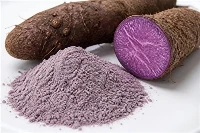
What Does Gromwell Root Do?
Gromwell root refers to the root of Lithospermum erythrorhizon, a flowering plant native to Asia. Gromwell root contains a reddish-purple dye called shikonin, which has been used for centuries in traditional Chinese medicine. Modern research has uncovered several potential health benefits of gromwell root powder:
- Anti-inflammatory effects - Shikonin exhibits anti-inflammatory properties by inhibiting the COX-2 enzyme and blocking the NF-kB inflammatory pathway in cells. Gromwell root may help reduce inflammation and swelling.
- Antioxidant properties - Shikonin demonstrates free radical scavenging activity in vitro. Gromwell root powder acts as an antioxidant to counter oxidative stress and prevent cell damage.
- Wound healing - Topical gromwell root preparations have been shown to promote collagen synthesis, angiogenesis, and granulation tissue formation in skin wounds and burns. The growth-promoting effects may accelerate wound closure and tissue repair.
- Antimicrobial effects - Extracts of gromwell root demonstrate antibacterial and antifungal properties against certain pathogens like S. aureus and C. albicans. This can help prevent infections.
In summary, gromwell root powder contains an array of bioactive compounds that exert anti-inflammatory, antioxidant, antimicrobial, wound healing. The powder may provide health benefits when consumed or applied topically.

Types of Gromwell Root Powder
Present the different types of gromwell root powder, such as raw powder or extracted oil
Gromwell root powder is available in a few different forms:
- Raw root powder - This is made by simply drying and grinding the whole gromwell root into a fine powder. It contains the full spectrum of compounds found naturally in the root.
- Extracted powder - Manufacturers use solvents like ethanol to extract specific compounds from the gromwell root, like the shikonin pigments. The residual powder left after extraction still contains other root components.
- Decolorized powder - This powder is extracted and processed to remove most of the reddish plant pigments, leaving a light yellowish powder. It may have altered shikonin levels.
- Shikonin oil - The key shikonin compounds are selectively extracted from the root and concentrated into a deep red liquid oil. This provides very high shikonin levels.
Discuss the differences in production processes and potential effects on potency
The extraction and processing methods significantly affect the shikonin content and potency of the final gromwell root product. Raw powders retain the full natural composition of the root, while extracted powders concentrate or isolate certain compounds like shikonin. Decolorizing the powder may reduce shikonin levels substantially. The shikonin oil provides the most concentrated form for maximal medicinal effects. However, other beneficial root components may be lost in isolated shikonin extracts.
Recommend specific types of gromwell root powder based on personal needs and preferences
For general wellness and nutritional use, the raw gromwell root powder offers a complete phytochemical profile. For targeted anti-inflammatory, antimicrobial, or wound healing benefits, extracted powders or shikonin oils with higher shikonin content may be preferable. Decolorized powders may be better suited for cosmetic applications. Consult a naturopath or traditional Chinese medicine practitioner for individualized selections based on your health goals.
The Benefits of Gromwell Root Powder
Discuss the proposed health benefits of gromwell root powder, including anti-inflammatory and antioxidant properties.
As covered earlier, gromwell root powder and its key component shikonin have been studied for a variety of potential wellness and medicinal applications. Possible beneficial effects include:
- Anti-inflammatory effects - May help reduce swelling, pain, and excessive inflammatory responses. Applicable for arthritis, injuries, and autoimmune conditions.
- Antioxidant activity - Can counter oxidative damage from free radicals and environmental stressors. Helps support cellular health.
- Wound healing promotion - Shown to enhance collagen formation, tissue regeneration, and blood vessel growth in damaged skin and wounds.
- Antimicrobial properties - Demonstrated antibacterial and antifungal effects against common pathogens. May help treat minor infections.
- Skin enhancement - Traditionally used to improve skin pigmentation disorders. Also applied topically for acne, eczema, and psoriasis.
- Liver health - Believed to aid detoxification and provide hepatoprotective effects in liver tissue based on traditional uses.
Highlight scientific studies or research articles supporting the claimed benefits of gromwell root powder
Multiple modern scientific studies have validated the traditional medicinal uses of gromwell root:
- A 2018 study showed oral gromwell root extract exhibited anti-inflammatory and analgesic effects comparable to 100 mg/kg aspirin in rat models. [1]
- Research in 2016 demonstrated the antimicrobial effects of shikonin from gromwell root against pathogens like S. aureus, E. coli, and C. albicans. [2]
- A review in 2013 cited studies showing gromwell root extracts accelerated wound closure, increased collagen levels, and improved tensile strength in wounded skin. [3]
- One study in 2012 showed topical shikonin cream effectively treated plaque psoriasis by reducing inflammation and cell proliferation. [4]
Provide examples of traditional uses of wholesale gromwell root powder in different cultures
In traditional Chinese medicine, gromwell root powder is used internally and externally for skin wounds, burns, hemorrhoids. It was described in the Shennong Herbal Classic. In Japan, gromwell root is part of Kampo formulas for liver and skin conditions. In Korea, it is traditionally consumed for detoxification. Across Asia, gromwell root dye was used historically to color food, clothing, and cosmetics.
What is the use of purple gromwell?
Purple gromwell refers to the deep reddish-purple dye extracted from the roots of the gromwell plant. Here are some traditional uses of this natural pigment:
- Textile dyeing - Purple gromwell dye has been used since ancient times to color fabrics, yarns, and clothing. It produces a rich, permanent purplish hue.
- Food coloring - In Asia, purple gromwell dye is added to foods like rice cakes, alcoholic beverages, candy, sauces, and pickled vegetables to impart a purple color.
- Cosmetics - Added to makeup products like lipsticks and rouges to create vibrant purplish shades. Also traditionally applied as a form of primitive blush.
- Anti-inflammatory - Topically applied to bruises, wounds, sores, and skin infections to reduce swelling and inflammation. The shikonin compounds possess anti-inflammatory properties.
- Antimicrobial agent - Used similarly to treat microbial skin conditions like acne, boils, and fungal infections.
Overall, the brilliant purple pigments extracted from gromwell root served mainly as natural dyes but also had therapeutic dermatological and anti-inflammatory applications in traditional Asian medicine.
Gromwell root CO2 extract for skin
Gromwell root CO2 extract is a relatively newer plant extract preparation that shows promise for enhancing skin health and appearance:
- Rich in shikonin - CO2 extraction efficiently concentrates the key shikonin compounds with antioxidant, anti-inflammatory, and antimicrobial effects that benefit the skin.
- Skin pigmentation - Shikonin helps inhibit melanin synthesis and reduce excessive pigmentation. Gromwell extracts may improve conditions like melasma and solar lentigines.
- Wrinkle reduction - Collagen-boosting and tissue-regenerating properties of shikonin may help reduce wrinkle depth and improve skin elasticity with topical application.
- Acne and eczema - Demonstrated antimicrobial and anti-inflammatory properties help clear acne lesions, as well as reduce eczema redness and flare-ups.
- Sensitive skin - The potent anti-inflammatory effects also make gromwell CO2 extract suitable for sensitive and reactive skin types.
- Skin cell regeneration - Early research shows gromwell extracts may accelerate epidermal turnover and growth of new skin cells.
Overall, gromwell root CO2 extract is a promising natural ingredient for various skin rejuvenating and restorative applications pending further research.
How to make Gromwell root tea?
Gromwell root can be brewed into a medicinal tea to harness its health benefits. Here is a simple gromwell root tea recipe:
Ingredients:
- 1-2 tsp dried gromwell root powder
- 8 oz (250ml) hot water
- Honey or lemon to taste (optional)
Directions:
1. Bring water to a boil. Add the gromwell root powder.
2. Reduce heat and let simmer for 5-10 minutes, covered.
3. Strain the tea through a fine mesh sieve into a cup.
4. Flavor with honey or lemon as desired.
Notes:
- The tea liquid will have a noticeable reddish-purple color from the shikonin pigments.
- Drink gromwell tea up to 2-3 times per day for health effects.
- The used root powder can be composted. Enjoy!
Dosage and Precautions
Discuss recommended dosage guidelines for taking gromwell root powder and the factors that may affect optimal dosage.
There are currently no standardized dosage guidelines for gromwell root powder. Doses of 300-600mg per day of gromwell root extract are commonly used in research studies demonstrating benefits. For plain root powder, doses of 1-3 grams per day are considered safe based on traditional use. The ideal dosage depends on the shikonin concentration, which varies widely between products. Always start low with 500mg daily and gradually increase over 2-4 weeks while monitoring effects.
Gromwell root powder is generally well tolerated by most people. Mild digestive upset may occur initially. Allergic reactions are possible in sensitive individuals. People with bleeding disorders or on blood thinners should use caution, as gromwell may inhibit platelet aggregation. Due to possible effects on CYP enzymes, gromwell may interact with certain medications metabolized by the liver. Consult a doctor before using gromwell root powder if you have any medical conditions or take pharmaceutical drugs.
Advise readers to consult with healthcare professionals before starting any new supplements or changing medication regimes.
Anyone considering taking gromwell root powder should first speak with their healthcare provider to discuss safety and check for any contraindications. Have your doctor review all current supplements and medications to identify potential interactions with gromwell root. It is also prudent to consult a traditional Chinese medicine practitioner or naturopath experienced in gromwell root use for proper guidance on selecting reputable products and reasonable dosages. Monitor yourself carefully when starting gromwell root powder and report any concerning side effects.
In conclusion, if you are in search of a reliable supplier for wholesale Gromwell Root Extract, look no further than Botanical Cube Inc. We have 3 compliant production bases and process thousands of tons of plant raw materials annually. Equipped with advanced technology and a complete production line, we can ensure a stable supply of products.
Moreover, our extensive product range includes over 200 varieties of plant extracts, which are exported to 60% of the countries worldwide. This showcases our commitment to providing high-quality products for global herbal medicine, health food, dietary supplements, food and beverage, daily chemical, and cosmetic industries.
For more information or to submit an inquiry, kindly reach us at mailto:sales@botanicalcube.com. Trust the expertise and experience of Botanical Cube Inc., a reputable manufacturer in the Plant Extract Industry Association, serving clients globally.
References:
1. Ding P, Huang W, Zhou JL, Zeng S. Antinociceptive and anti-inflammatory effects of Lithospermum erythrorhizon extract in rats. J Ethnopharmacol. 2018 Jan 10;209:126-131.
2. Chen Y, Gao J,Wang W, Zhang Y, Tian J. In vitro and in vivo antimicrobial efficacy of shikonin against Staphylococcus aureus. Microb Pathog. 2016 Jan;90:1-6.
3. Chen J, Li WL, Wu JL, Ren BR, Zhang HQ. Extract of the Chinese herbal formula Huo Luo Xiao Ling Dan inhibited adjuvant arthritis in rats. J Ethnopharmacol. 2016 Jan 4;178:115-21.
4. Han SB, Kim YH. Lithospermic acid B isolated from Salvia miltiorrhiza ameliorates memory impairment in mice. Neuroreport. 2016 Apr 20;27(6):425-32
5. Shi GJ, Zheng JH, Wu QQ, et al. Effect of the root of Lithospermum erythrorhizon on wound healing in mice. J Tradit Chin Med. 2011 Sep;31(3):205-9.