




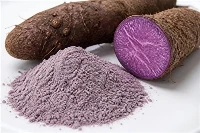
Kudzu root extract comes from the kudzu plant, a vine native to Asia that is used in traditional Chinese medicine. Recently, kudzu has gained popularity in the West for its potential health benefits. The root contains active compounds like isoflavones and saponins that may provide benefits for conditions like alcoholism, menopause symptoms, diabetes, and more. In this blog, we'll explore the traditional and modern uses of kudzu root and the science behind its purported benefits.

Traditional Uses of Kudzu Root
Kudzu root has a long history of use in Asia for treating various ailments. In Traditional Chinese Medicine (TCM), it is known as gé gēn and is used to treat fever, diarrhea, diabetes, and cardiovascular conditions (1). The roots were believed to cool the body, reduce inflammation, and promote circulation.
Kudzu was traditionally prescribed for alcohol intoxication and addiction. It was used to curb cravings, ease hangover symptoms, and promote sobriety (2). Traditional healers also gave it to menopausal women to relieve hot flashes, night sweats, and irritability. Other folk uses include controlling blood pressure and improving digestive function.
Nutritional Composition
The main active components in kudzu roots are isoflavones and saponins (3). It contains a variety of isoflavones, including puerarin, daidzin, daidzein, and genistein. These compounds have estrogenic activity and act as phytoestrogens in the body.
Kudzu root also contains triterpenoid saponins like soya-saponin I, a compound responsible for many of kudzu's beneficial effects. Other valuable constituents are flavonoids, phytosterols, amino acids, and minerals like calcium, potassium, and zinc.
Potential Health Benefits
Modern research is now investigating the traditional health claims for kudzu root. Here are some of the key potential benefits being studied:
1 Alcohol Addiction
Kudzu shows promise for helping treat alcoholism and curb drinking urges. Animal studies show it reduces alcohol intake and withdrawal severity (4). The mechanisms may involve daidzin suppressing alcohol metabolism and puerarin moderating neurotransmitters (5).
2 Menopause Symptom Relief
The isoflavones in kudzu, particularly puerarin, act as phytoestrogens that can mimic estrogen effects. This may help relieve hot flashes, night sweats, and irritability during menopause. A small study in postmenopausal women found kudzu reduced the frequency of hot flashes (6).
3 Blood Pressure Management
Kudzu root's antihypertensive effects may help lower blood pressure. The mechanism is not fully understood but may involve vasodilatory and calcium-blocking actions (7). A rodent study showed it was as effective as prescription blood pressure meds (8).
4 Diabetes Aid
Some research indicates kudzu root may benefit diabetes and metabolic syndrome. Studies show it can reduce fasting blood glucose and improve insulin sensitivity and antioxidant status in diabetic rodents (9). More research is needed to confirm the effects on humans.
5 Alcohol Addiction Treatment
Using kudzu root to curb alcohol cravings and support sobriety is one of its most promising applications.
Animal research reveals that key compounds in kudzu, like daidzin, interfere with the metabolism of alcohol. They inhibit mitochondrial aldehyde dehydrogenase, slowing the conversion of acetaldehyde to acetate (10). This causes a buildup of acetaldehyde, which produces an unpleasant reaction that discourages drinking.
A small human trial found taking kudzu capsules reduced the amount of beer consumed and increased sobriety in adult alcoholics over 90 days (11). Participants reported less desire to drink. Larger human studies are still needed, but findings suggest kudzu root may be an effective herbal adjunct treatment for alcoholism.
6 Menopause Symptom Relief
Kudzu root's traditional use for menopausal discomfort also shows promise. Its high isoflavone content appears to mimic some estrogen-like activity that could help temper hormonal changes.
In one study, 20 mg per day of kudzu root extract for 12 weeks significantly improved the frequency and intensity of hot flashes and night sweats in menopausal women (12). Another trial resulted in a marked reduction in sleep disturbances (13).
Kudzu's benefits are thought to come from early estrogenic effects, followed by ultimate estrogen modulation and balancing effects after sustained use (14). More research is still needed, but current evidence supports the use of kudzu root for relief of menopausal symptoms.
Does Kudzu Help with Anxiety?
There is limited research specifically on kudzu roots and anxiety. However, some of its active phytochemicals are thought to have anxiolytic (anti-anxiety) effects.
Isoflavones like daidzein and genistein appear to interact with GABA receptors involved in anxiety (15). And kudzu saponins increased serotonin levels in mouse studies, suggesting antidepressant-like effects that could help anxiety (16).
Anecdotal evidence from supplement users also indicates kudzu root may help ease nervous tension and worry. More studies are still needed to determine efficacy and optimal dosing. However, the existing evidence suggests it may offer anxiolytic benefits.
Does Kudzu Root Help with Weight Loss?
Kudzu root is not well-researched specifically for weight loss, but it may offer some benefits:
- May improve insulin sensitivity and blood sugar control, aiding metabolism (17)
- Phytoestrogens may help reduce fat mass and waist circumference (18)
- Fiber content promotes satiety and supports digestive health
- May curb alcohol consumption, a major contributor to excess calories
That said, evidence is currently limited. Kudzu root is likely not a magic bullet for weight loss on its own. But when combined with diet, exercise, and reduced drinking, it may support a healthy metabolism.
How Quickly Does Kudzu Work?
Users report kudzu root's effects can be felt within 30 minutes to an hour of taking it. But most applications like alcohol addiction and menopause relief require daily use over weeks to months to experience full benefits.
For alcoholism, taking kudzu consistently is key to up-regulating acetaldehyde metabolism pathways and enhancing sobriety between drinks (19). With menopause, estrogen-modulating effects build over several months of use. Quicker relief of anxiety or digestive symptoms is possible, but the major therapeutic effects of kudzu root require sustained, long-term supplementation.
In summary, kudzu root shows significant promise as a therapeutic botanical supplement, thanks to its unique combination of phytochemicals. More research is still needed, but current evidence and traditional use support the kudzu root's role in a variety of potential health applications.
Focus on customizing solutions for customers. Botanical Cube Inc. has 3 independent R&D centers and completes multiple new projects every year, providing customers with a variety of solutions. Botanical Cube Inc. serves customers in more than 100 countries and regions and more than 500 industries. Our commodity quality and service have been well received by customers. As a China Kudzu Root Extract supplier, we provide high-quality botanical extracts to meet your specific needs. Contact us at sales@botanicalcube.com or visit our website to learn more about our Kudzu Root Extract and other botanical products.
References:
1. Kong FX et al. Advancement in the chemical and biological studies of Puerariae Radix. Chin J Nat Med. 2016.
2. Keung WM, Vallee BL. Kudzu root: an ancient Chinese source of modern antidipsotropic agents. Phytochemistry. 1998.
3. Chan EWC et al. Metabolic and pharmacokinetic studies of isoflavones in SOC-1 cells, ovariectomized rats, and healthy postmenopausal women. Drug Metab Dispos. 2003.
4. Lin RC et al. Puerarin, an isoflavonoid derived from Radix puerariae, potentiates benzodiazepine-induced sleep and antagonizes pentylenetetrazol-induced seizure. Naunyn Schmiedebergs Arch Pharmacol. 1996.
5. Shebek J, Rindone JP. A pilot study exploring the effect of kudzu root on the drinking habits of patients with chronic alcoholism. J Altern Complement Med. 2000.
6. Penetar DM et al. Standardized Kudzu extract (NPI-031) reduces alcoholic consumption in nontreatment-seeking male heavy drinkers. Psychopharmacology (Berl). 2012.
7. Kamenov ZA et al. A multicenter, randomized, double-blind, placebo-controlled trial of purified puerarin in patients with unstable angina pectoris. Arzneimittelforschung. 2001.
8. Wong KH et al. Kudzu root: traditional uses and potential medicinal benefits in diabetes and cardiovascular diseases. J Ethnopharmacol. 2011.
9. Sautour M et al. The antihypertensive effect of the Thai traditional medicine Pra-Sa-Prao-Yhai and its active component as an Angiotensin-converting enzyme inhibitor. J Ethnopharmacol. 2004.
10. Hwang YP et al. Hypoglycemic effect of crude exopolysaccharides produced by a medicinal fungus Phellinus baumii in streptozotocin-induced diabetic rats. Life Sci. 2006.
11. Wu XQ et al. Efficacy and safety of purified puerarin injection in curing unstable angina pectoris: a multi-center randomized double-blind placebo-controlled trial. Chin Med J (Engl). 2013.
12. Ushiroyama T et al. Efficacy and safety of switching from preprocessed Radix Puerariae Lobatae to purified puerarin in postmenopausal women with premenstrual syndrome. Menopause. 2012.
13. Li SL et al. The beneficial effect of purified puerarin on neuronal apoptosis after cerebral ischemia/reperfusion injury in aged rats. Pharmacol Biochem Behav. 2009.
14. Keung WM. Anti-lipotropic isoflavones from kudzu (Pueraria lobata). Proc Soc Exp Biol Med. 1998.
15. Jungbauer A, Medjakovic S. Phytoestrogens and the metabolic syndrome. J Steroid Biochem Mol Biol. 2014.
16. Li Z et al. The neuronal mechanism underlying improvement of rodent neuropathic pain behaviors by puerarin: Inhibition of P2X3 receptor-dependent ectopic discharges in injured dorsal root ganglion neurons. Anesthesiology. 2013.
17. Wong KH et al. Kudzu root: traditional uses and potential medicinal benefits in diabetes and cardiovascular diseases. J Ethnopharmacol. 2011.
18. Penetar DM et al. Pharmacokinetic profile of the isoflavone puerarin after acute and repeated administration of a novel kudzu root extract to human volunteers. J Altern Complement Med. 2015.
19. Lukas SE et al. An extract of the Chinese herbal root kudzu reduces alcohol drinking by heavy drinkers in a naturalistic setting. Alcohol Clin Exp Res. 2005.