




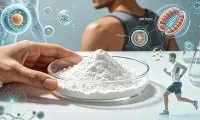
Propolis, a natural resinous substance collected by bees, has long been recognized for its diverse applications in various industries. Propolis powder, a refined and concentrated form of this remarkable material, has gained increasing popularity in recent years due to its wide-ranging health benefits and versatile uses. This comprehensive blog post will delve into the fascinating world of propolis powder, exploring its definition, composition, sources, and its multifaceted applications in healthcare, skincare, and beyond.

Definition and Composition of Propolis Powder
Propolis, also known as "bee glue," is a sticky, brownish-green substance that honeybees collect from the buds and bark of certain trees and plants. Bees use propolis to seal and protect their hives, acting as a natural sealant and antibacterial agent. Propolis powder is the result of refining and drying this natural substance, resulting in a fine, concentrated powder that retains the potent bioactive compounds found in the original material.
The chemical composition of propolis powder is complex and varies based on the geographical location and plant sources from which it is collected. However, it typically contains a rich array of beneficial compounds, including flavonoids, phenolic acids, terpenes, and other secondary metabolites. These bioactive components contribute to propolis powder's renowned antimicrobial, anti-inflammatory, and antioxidant properties, making it a valuable natural resource with diverse applications.
Sources and Harvesting Process
Propolis is primarily produced by honeybees, specifically the species Apis mellifera, which is widely distributed across the globe. Bees collect the resinous material from the buds, bark, and sap of various plants, such as poplar, pine, and chestnut trees, as well as certain flowering plants.
The harvesting process for propolis powder typically involves carefully collecting the raw propolis from the beehives, either by scraping it directly from the frames or using specialized traps designed to capture the material. Once collected, the propolis is then processed, often through a series of extraction, filtration, and drying steps, to create the fine powdered form that is commercially available.
Health Benefits and Medicinal Uses
Propolis powder has long been recognized for its impressive array of health benefits and medicinal applications. Its potent antimicrobial, antiviral, and anti-inflammatory properties make it a valuable natural remedy for a wide range of conditions.
Numerous scientific studies have demonstrated the efficacy of propolis powder in supporting immune function, promoting wound healing, and combating various bacterial and viral infections. Its antioxidant activity has also been linked to its potential in reducing inflammation, protecting the cardiovascular system, and supporting overall well-being.
Furthermore, propolis powder has shown promising results in the management of oral health conditions, such as reducing the risk of dental caries and gum disease, owing to its antimicrobial and anti-inflammatory effects within the oral cavity.
Skincare and Cosmetic Applications
Beyond its medicinal uses, propolis powder has also gained significant attention in the skincare and cosmetic industries. Its natural bioactive compounds, including flavonoids and phenolic acids, contribute to its potent antioxidant and anti-aging properties, making it a valuable ingredient in a variety of topical products.
Propolis powder has been incorporated into creams, serums, and masks, where it can help protect the skin from environmental stressors, reduce the appearance of fine lines and wrinkles, and promote a healthy, radiant complexion. Its antimicrobial and anti-inflammatory properties also make it beneficial for addressing skin conditions such as acne, eczema, and psoriasis.
Oral Health Benefits
The oral health benefits of propolis powder have been extensively studied, with research demonstrating its efficacy in promoting dental and gum health. Its antimicrobial properties make it an effective ingredient in mouthwashes, toothpaste, and dental supplements, as it can help reduce the risk of dental caries, gum inflammation, and other oral infections.
Additionally, propolis powder has been shown to inhibit the growth of harmful oral bacteria, such as Streptococcus mutans, which are closely linked to the development of dental cavities. Its anti-inflammatory effects can also contribute to the management of periodontal diseases, making it a valuable natural alternative or complementary therapy for maintaining optimal oral health.
Dietary Supplements and Nutraceuticals
Propolis powder has also found application in the realm of dietary supplements and nutraceuticals, where it is valued for its potential to support overall health and well-being. As a rich source of antioxidants and other bioactive compounds, propolis powder has been studied for its ability to modulate the immune system, reduce inflammation, and support cardiovascular health.
Research has suggested that propolis powder may possess cardioprotective properties, potentially helping to lower cholesterol levels and blood pressure, thereby reducing the risk of heart disease. Its anti-inflammatory effects have also been linked to its potential in managing various chronic conditions, such as arthritis and diabetes.
Formulation Considerations and Product Applications
When incorporating propolis powder into various products, formulators must consider several factors to ensure optimal stability, efficacy, and safety. These considerations include the selection of appropriate extraction and drying methods, the incorporation of suitable carrier agents, and the establishment of appropriate dosage levels.
Propolis powder has been successfully integrated into a wide range of product applications, including dietary supplements, skincare formulations, oral care products, and even animal health products. Its versatility and diverse range of beneficial properties make it a highly sought-after ingredient in the health, wellness, and cosmetic industries.
Regulatory Status and Market Availability
The regulatory status of propolis powder varies across different countries and regions, with some jurisdictions recognizing it as a dietary supplement or natural health product, while others may classify it as a food ingredient or a traditional medicine.
In the United States, for example, propolis powder is generally recognized as a dietary supplement and is subject to the regulatory framework established by the Food and Drug Administration (FDA). In the European Union, propolis-based products may be classified as food supplements or traditional herbal medicinal products, depending on their intended use and composition.
The global market for propolis-based products has been steadily growing in recent years, driven by the increasing consumer demand for natural and sustainable health solutions. Propolis powder and propolis-infused products are widely available through various retail channels, including health food stores, online marketplaces, and specialty pharmacies, catering to the diverse needs and preferences of health-conscious consumers.
Clinical Evidence and Research Studies
A substantial body of scientific research has been dedicated to exploring the potential health benefits and therapeutic applications of propolis powder. Numerous in vitro and in vivo studies have demonstrated the efficacy of propolis in various areas, such as its antimicrobial, anti-inflammatory, and antioxidant properties.
Clinical trials have provided further evidence supporting the use of propolis powder for a range of conditions, including respiratory infections, oral health disorders, and wound healing. These studies have helped to elucidate the optimal dosages, safety profiles, and mechanisms of action underlying the potential therapeutic effects of propolis powder.
Moreover, ongoing research is exploring the possible applications of propolis powder in other areas, such as cancer prevention, neurological health, and metabolic disorders, further expanding the potential of this remarkable natural substance.
Future Directions and Innovations
As the interest and demand for propolis powder continue to grow, researchers and industry professionals are exploring various avenues for innovation and advancement in this field. Future directions may include the development of more sophisticated extraction and purification techniques to maximize the potency and purity of propolis powder.
Additionally, there is a growing interest in exploring the synergistic effects of propolis powder when combined with other natural ingredients, such as essential oils or other plant-derived compounds, to create even more effective and versatile formulations.
The potential for propolis powder to be integrated into a broader range of product applications, including functional foods, nutraceuticals, and advanced personal care items, is also an area of ongoing exploration and innovation.
Conclusion
Propolis powder, a remarkable natural substance derived from the diligent work of honeybees, has gained significant recognition for its diverse health benefits and versatile applications across various industries. From its potent antimicrobial and anti-inflammatory properties to its potential in supporting immune function, skin health, and oral well-being, propolis powder has emerged as a valuable natural resource with a promising future.
As scientific research continues to uncover the depth and breadth of propolis powder's capabilities, it is poised to revolutionize the way we approach healthcare, skincare, and overall wellness. With its natural origins, impressive bioactive profile, and growing market availability, propolis powder stands as a testament to the wonders of nature and its potential to enhance our quality of life.
We Botanical Cube Inc. are a high-quality supplier recognized by the Plant Extract Industry Association, operating three compliant production bases that process thousands of tons of plant raw materials annually. Our advanced technology and comprehensive production line ensure a stable product supply. We export over 200 varieties of plant extracts to 60% of the world's countries, serving the global herbal medicine, health food, dietary supplement, food and beverage, daily chemical, and cosmetic industries.
If you're interested in experiencing the benefits of Propolis Powder, Botanical Cube Inc. can provide you with high-quality Propolis bulk powder. For more information, please contact us at sales@botanicalcube.com.
References:
1. Bankova, V. (2005). Chemical diversity of propolis and the problem of standardization. Journal of Ethnopharmacology, 100(1-2), 114-117.
2. Sforcin, J. M. (2016). Biological properties and therapeutic applications of propolis. Phytotherapy Research, 30(6), 894-905.
3. Ramos, A. F., & Miranda, J. L. (2007). Propolis: a review of its anti-inflammatory and healing properties. Journal of Venomous Animals and Toxins including Tropical Diseases, 13(4), 697-710.
4. Pasupuleti, V. R., Sammugam, L., Ramesh, N., & Gan, S. H. (2017). Honey, propolis, and royal jelly: a comprehensive review of their biological actions and health benefits. Oxidative Medicine and Cellular Longevity, 2017, 1259510.
5. Anjum, S. I., Ullah, A., Khan, K. A., Attaullah, M., Khan, H., Ali, H., ... & Daglia, M. (2019). Composition and functional properties of propolis (bee glue): a review. Saudi Journal of Biological Sciences, 26(7), 1695-1703.
6. Burdock, G. A. (1998). Review of the biological properties and toxicity of bee propolis (propolis). Food and Chemical Toxicology, 36(4), 347-363.
7. Simões, L. M., Gregório, L. E., Da Silva Filho, A. A., de Souza, M. L., Sassocorsi, P. I., Bastos, J. K., & Sforcin, J. M. (2004). Effect of Brazilian green propolis on the production of reactive oxygen species by stimulated neutrophils. Journal of Ethnopharmacology, 94(1), 59-65.
8. Koo, H., Gomes, B. P., Rosalen, P. L., Ambrosano, G. M., Park, Y. K., & Cury, J. A. (2000). In vitro antimicrobial activity of propolis and Arnica montana against oral pathogens. Archives of Oral Biology, 45(2), 141-148.
9. Menezes, H. (2005). Plant derivatives as alternatives to the control of cuticularly resistant insects. Arquivos do Instituto Biológico, 72(4), 553-560.
10. Marcucci, M. C. (1995). Propolis: chemical composition, biological properties and therapeutic activity. Apidologie, 26(2), 83-99.