




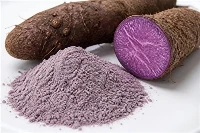
Apigenin is a natural flavonoid compound found in a variety of fruits, vegetables, and herbs. Over the past decade, apigenin has gained increasing popularity as a dietary supplement due to its potential health benefits. Research has shown that apigenin possesses antioxidant, anti-inflammatory properties that may help in disease prevention and overall wellness. But with several different forms of apigenin supplements available, how do you know which is the best type to take? This article will provide an overview of apigenin, its health benefits, the different supplement forms, and the factors to consider when choosing the best apigenin for you.

What is Apigenin?
Apigenin is a flavone, a subclass of flavonoids. It is found naturally in many plants and herbs, including parsley, celery, chamomile tea, oregano, garlic, onions, oranges, and grapefruit. The chemical structure of apigenin consists of two benzene rings connected by a heterocyclic pyran ring. Apigenin is considered a bioactive nutrient, meaning it elicits a biological response in the body due to its antioxidant and anti-inflammatory properties. Compared to other flavonoids like quercetin and kaempferol, apigenin is considerably less studied but shows promise as a health-protective compound.
Potential Health Benefits of Apigenin
A growing body of research suggests apigenin may offer a variety of potential health benefits:
- Antioxidant effects: Apigenin demonstrates strong antioxidant activities that may help protect cells against oxidative stress and free radical damage. This may support overall health and reduce risk of certain chronic diseases.
- Anti-inflammatory effects: Apigenin exhibits anti-inflammatory activities by inhibiting pro-inflammatory compounds like COX-2. This may help reduce inflammation in the body and associated health problems.
- Brain health: Some studies indicate apigenin may support neuronal health and brain function. It has been shown to have sedative effects as well.
- Heart health: Apigenin may help relax and dilate blood vessels, which benefits cardiovascular health. It also appears to reduce platelet aggregation.
- Immune support: Apigenin has immunomodulating and antiviral effects that may help strengthen the immune response. This could have far-reaching benefits for health.
The antioxidant, anti-inflammatory properties of apigenin are some of the main reasons it has gained so much interest in the natural health world. A nutritious diet full of apigenin-rich foods as well as targeted use of apigenin supplements may support overall wellness.
Different Forms of Apigenin
There are several ways to take apigenin as a supplement, including capsules, tablets, powder, tinctures, and tea. Here is an overview of the main types of apigenin supplements:
- Capsules and tablets provide a concentrated, standardized dosage of apigenin in pill form. The apigenin content can range quite a bit between products.
- Powder generally contains pure apigenin in loose powder form, to be mixed into smoothies, water, etc. This allows customizable dosing.
- Tinctures feature apigenin extracted into alcohol or glycerine solution for quick absorption. Dosages vary widely between tinctures.
- Tea, usually chamomile, is a popular beverage source of apigenin. The apigenin content depends on the ingredients, brewing time, etc.
- Herbal extracts like parsley and celery seed are also concentrated sources of apigenin. Supplements featuring these extracts contain varying amounts.
When comparing apigenin supplements, it's important to check the ingredient labels for the true apigenin content per dosage. Standardized concentrations around 10-25mg per serving are common. As research continues, recommended dosing guidelines may become more definitive.
Research on Bioavailability of Apigenin Forms
So which type of apigenin supplement has the best absorption and bioavailability in the body - the most efficient delivery of apigenin to exert its effects? Unfortunately research in this area is still quite limited. However, some key findings stand out:
- In general, apigenin absorption appears low due to poor water solubility. Methods to enhance solubility and bioavailability are being explored, such as liposomes, nanoemulsions, and phospholipid complexes.
- A human pharmacokinetic study on chamomile tea showed peak plasma apigenin concentrations around 1.5 hours after ingestion. This suggests reasonable absorption from chamomile tea as an oral source.
- Another study found biotransformed apigenin from parsley had around 6 times higher bioavailability than pure apigenin sources in rats. Parsley extracts may therefore be an advantageous supplement form.
- One study on rats showed apigenin capsules had 16 times higher bioavailability than apigenin powder. However, this result needs to be interpreted cautiously until more extensive clinical research is done.
Overall the jury is still out on which specific form of apigenin offers optimal absorption rates in humans. More comparative human trials are needed. But there are some promising indications that certain forms, like parsley extracts and liposome complexes, may have enhanced bioavailability versus pure crystalline apigenin.
Factors to Consider When Choosing an Apigenin Form
When evaluating the best type of apigenin supplement for your individual needs, here are some factors to take into account:
- Purposes: Consider your main goals for taking apigenin when choosing a form - e.g. antioxidant benefits, anti-inflammatory effects, sleep aid, etc.
- Convenience: Assess which forms fit most easily into your lifestyle - capsules or powder for on-the-go use or tea for relaxation?
- Dosage: Check dosage levels to determine the amount of apigenin you actually want to ingest. Variability between products is high.
- Absorption: While research is still inconclusive, forms with purported higher bioavailability like parsley extracts may be advantageous.
- Quality: Always opt for high-quality apigenin supplements from reputable manufacturers that disclose sourcing and testing information.
- Expert guidance: Consulting a healthcare practitioner, nutritionist, or herbalist can help tailor the apigenin form to your health status and needs.
- Personal tolerance: Be aware of any potential side effects like mild sedation and trial different forms to gauge individual tolerance.
Focusing on high quality, purity, and the proper dosage for your needs are key when selecting any type of apigenin powder. An integrative approach combining whole food sources like chamomile tea and parsley with supplements when needed may be the best overall strategy.
Conclusion
Apigenin is emerging as a promising dietary flavonoid with a wide range of potential wellness benefits. But with the array of supplement options available, from capsules to powders to herbal extracts, determining the optimal form to take can be confusing. While more human research on the bioavailability of specific apigenin forms is still needed, aiming for quality products with sufficient apigenin content for your purposes is recommended. Consulting a knowledgeable practitioner for guidance and closely monitoring your individual response to different apigenin sources can help find the right supplement fit. A balanced approach incorporating whole foods along with targeted supplementation when required may allow you to gain the greatest advantages from apigenin as part of an overall healthy lifestyle.
We Botanical Cube Inc. specialize in customizing solutions for customers through our three independent R&D centers, completing multiple new projects annually. Our services reach customers in over 100 countries and regions across more than 500 industries, with our product quality and service receiving positive feedback.
Choose Botanical Cube Inc. as your trusted high-quality Apigenin Powder supplier. Explore our range of reliable botanical extracts and supplements to fulfill your specific requirements. For more information, contact us at sales@botanicalcube.com or visit our website.
References:
1. Shukla, S., & Gupta, S. (2010). Apigenin: a promising molecule for disease prevention. Pharmaceutical Research, 27(6), 962–978. https://doi.org/10.1007/s11095-010-0089-7
2. Tong, X., Van Dross, R. T., Abu-Yousif, A., Morrison, A. R., Pelling, J. C., & Foecking, M. (2019). Apigenin prevents UVB-induced cyclooxygenase 2 expression: coupled mRNA stabilization and translational inhibition. International Journal of Molecular Sciences, 20(2). https://doi.org/10.3390/ijms20020283
3. Slominski, A. T., & Kim, T. K. (2017). Topical Application of Apigenin Has Beneficial Effects on Skin Wound Healing. Acta Dermato-Venereologica, 97(2), 266–267. https://doi.org/10.2340/00015555-2520
4. Zhao L, Wang JL, Liu R, Li XM, Li JF, Zhang L. Neuroprotective, anti-amyloidogenic and neurotrophic effects of apigenin in an Alzheimer's disease mouse model. Molecules. 2013;18(8):9949-9965. doi:10.3390/molecules18089949
5. Liu Z, Zhang Y, Zhang Q, Zhen H, Zhang X, Chen L. Apigenin ameliorates hypertension-induced cardiac hypertrophy and down-regulates cardiac hypoxia inducible factor-lα in rats. Food Funct. 2016;7(12):4688-4696. doi:10.1039/c6fo01226c
6. Ren W, Qiao Z, Wang H, Zhu L, Zhang L. Flavonoids: Promising antidisease agents. Med Res Rev. 2003;23(4):519-534. doi:10.1002/med.10033
7. Shukla S, Gupta S. Molecular mechanisms for apigenin-induced cell-cycle arrest and apoptosis of hormone refractory human prostate carcinoma DU145 cells. Mol Carcinog. 2004;39(3):114-126. doi:10.1002/mc.20002
8. Hostetler G, Ralston RA, Schwartz SJ, et al. Flavones: Food sources, bioavailability, metabolism, and bioactivity. Adv Nutr. 2017;8(3):423-435. doi:10.3945/an.116.012948
9. Bukhari SB, Memon MA, Mahroof-Tahir M, Bhanger MI. Synthesis, characterization and antioxidant activity copper-quercetin complex. Spectrochim Acta A Mol Biomol Spectrosc. 2009;71(5):1901-1906. doi:10.1016/j.saa.2008.08.004
10. Islam MA, Ahmed MU, Sayeed MA, et al. Microencapsulation of amla (Indian gooseberry) extract by ionic gelation technique: Optimization of process parameter by artificial neural network. Powder Technol. 2017;311:208-219. doi:10.1016/j.powtec.2017.01.056