




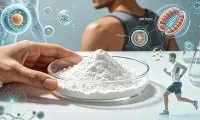
The recent surge in prices of various citrus extracts has caught the attention of manufacturers and consumers. In this article, we will take a closer look at five major products – hesperidin, diosmin, citrus flavonoids, synephrine, and hesperidin – while analyzing the reasons for their price increases and providing actionable recommendations for customers.
Key Citrus Extracts: Health Benefits and Scientific Backing
1. Hesperidin
Hesperidins are natural compounds extracted from orange peel. They are known for their antioxidant and anti-inflammatory properties. They are mainly used in the food and cosmetics industries to help improve product stability and efficacy. Their ability to act as natural preservatives has made them increasingly popular.
A study published in the Journal of Agricultural and Food Chemistry highlighted that orange peel extracts can extend the shelf life of foods by reducing oxidative stress [1]. This highlights their value in product formulations.
2. Diosmin
Diosmin is a flavonoid glycoside primarily derived from citrus fruits, especially bitter orange. It is known for its vasoprotective and anti-inflammatory effects. It is commonly used in dietary supplements for the treatment of chronic venous insufficiency and hemorrhoids and is popular in the health and wellness market.
Research in the European Journal of Vascular and Endovascular Surgery showed that supplementation with diosmin significantly reduced the symptoms of venous insufficiency [2]. These data support the continued demand for diosmin in health care products.
3. Citrus flavonoids
Citrus flavonoids include a variety of compounds, including hesperidin and naringin, which are abundant in citrus fruits. They are known for their health benefits such as cardiovascular protection. They are widely used in dietary supplements, beverages and functional foods.
A meta-analysis in the journal Nutrients highlighted that citrus flavonoids can lower blood pressure and improve endothelial function [3]. This strengthens their relevance in cardiovascular health products.
4. Synephrine
Synephrine is an alkaloid naturally found in bitter orange. It is often used as a stimulant and weight loss aid. Due to its thermogenic properties, synephrine is popular in sports nutrition and weight management products.
A study published in the Journal of Obesity showed that synephrine can promote fat oxidation and increase metabolic rate [4]. This finding supports its inclusion in weight loss formulas.
5. Hesperidin
Hesperidin is a flavonoid glycoside primarily derived from sweet orange. It has antioxidant and anti-inflammatory properties. It is often used in dietary supplements targeting vascular health and metabolic support.
A clinical trial reported in the Journal of Clinical Biochemistry and Nutrition found that hesperidin supplementation significantly improved endothelial function in patients with metabolic syndrome [5]. This evidence strengthens its therapeutic potential.
6. Price Trends and Analysis
Over the past few years, the prices of these products have increased significantly. For example, the average price of hesperidin has increased by about 15% since last year, while diosmin and hesperidin have also shown similar trends.
Citrus Price Increases: Strategies & Alternatives
Price Trends and Analysis
Over the past few years, the prices of these products have increased significantly. For example, the average price of hesperidin has increased by about 15% since last year, while diosmin and hesperidin have also shown similar trends.

Reasons for the price increase:
- Scarcity of raw materials: Climate change and agricultural challenges have led to a decline in citrus fruit production, affecting the supply of these extracts.
- Increased demand: The growing popularity of natural products in the health and wellness sector has driven the demand for citrus extracts.
- Regulatory changes: Tighter regulations around the extraction process can also lead to higher production costs, which are ultimately passed on to consumers.
What we want to say to customers
As prices rise, the following actions should be considered:
- Evaluate product formulations: Assess whether the benefits of these products are worth the increased cost. Work with suppliers to understand the cost structure involved.
- Consider alternatives: If the prices of the above products are too high, research alternatives with similar functionality, such as rutin (for diosmin) or other plant-derived flavonoids.
- Bulk purchasing: Consider bulk purchasing agreements to mitigate the impact of price fluctuations.
Alternative suggestions:
- For diosmin, consider rutin, which also provides vascular benefits and is generally less expensive.
- For hesperidin, explore quercetin, which is known for similar antioxidant properties.
Price Increases? Let's Find Solutions Together!
The rising prices of hesperidin, diosmin, citrus flavonoids, synephrine, and hesperidin highlight the importance of staying informed and adaptable in today's market. By understanding the underlying factors driving price changes and exploring alternative products, customers can more effectively navigate this challenging environment.
We understand that price increases can be frustrating, but at Botanical Cube Inc., we believe that every challenge is an opportunity to collaborate. Whether it's getting you a discount on a bulk order or recommending a more cost-effective alternative, we'll do our best to support your business. Even when the market is changing, our team is always ready to work with you to explore the best solution. If you have any questions, please feel free to contact sales@botanicalcube.com and let's find a way to work together that fits your needs!
References
[1] Journal of Agricultural and Food Chemistry - https://pubs.acs.org/doi/10.1021/jf2020018
[2] European Journal of Vascular and Endovascular Surgery - https://www.ejves.com/article/S1078-5884(13)00407-2/fulltext
[3] Nutrients - https://www.mdpi.com/2072-6643/10/10/1420
[4] Journal of Obesity - https://www.hindawi.com/journals/jobes/2014/560715/
[5] Journal of Clinical Biochemistry and Nutrition - https://www.ncbi.nlm.nih.gov/pmc/articles/PMC3701740/