


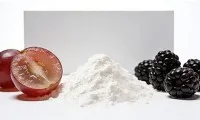
Resveratrol is a polyphenol naturally present in grapes, berries, peanuts, and other plants. In recent years, it has attracted considerable attention for its potential health benefits, including antioxidant, anti-inflammatory, and cardioprotective effects. Given its growing popularity, questions about possible side effects are common. In this article, we review current scientific evidence on resveratrol's safety profile, while also summarizing its key benefits.

Potential Benefits of Resveratrol
Before delving into side effects, it's essential to understand why resveratrol has become so popular. Numerous studies suggest that resveratrol may offer several health advantages.
1. Antioxidant Activity: Resveratrol acts as a powerful antioxidant, helping to neutralize free radicals in the body. Free radicals are unstable molecules that can cause oxidative stress, which is linked to various chronic diseases, including cancer, heart disease, and neurodegenerative disorders. By reducing oxidative stress, resveratrol may help protect cells from damage and slow down the aging process.
2. Cardiovascular Health: Some research indicates that resveratrol may have a positive impact on heart health. It can help improve blood flow, reduce inflammation, and lower blood pressure. Additionally, resveratrol may inhibit the oxidation of LDL cholesterol (the "bad" cholesterol), which is a key step in the development of atherosclerosis.
3. Anti - Inflammatory Effects: Chronic inflammation is associated with many diseases, such as arthritis, diabetes, and obesity. Resveratrol has been shown to modulate the immune response and reduce the production of pro - inflammatory cytokines, potentially alleviating symptoms of inflammatory conditions.
Possible Side Effects of Resveratrol
While resveratrol is generally considered safe for most people, it can cause side effects in some individuals.
1. Gastrointestinal Issues: One of the most common side effects of resveratrol is gastrointestinal discomfort. This can include symptoms such as nausea, diarrhea, abdominal pain, and indigestion. These side effects are usually mild and may occur when starting to take resveratrol or when taking high doses. It is recommended to start with a low dose and gradually increase it to minimize the risk of gastrointestinal problems.
2. Drug Interactions: Resveratrol may interact with certain medications. For example, it can inhibit the activity of cytochrome P450 enzymes in the liver, which are responsible for metabolizing many drugs. This can potentially increase the concentration of these drugs in the body, leading to enhanced side effects. Some of the medications that may interact with resveratrol include blood - thinners, anti - seizure drugs, and certain antibiotics. If you are taking any medications, it is crucial to consult your doctor before starting resveratrol supplementation.
3. Hormonal Effects: Resveratrol has been reported to have both estrogenic and anti - estrogenic effects. Although this may have potential health benefits in some contexts, it could also pose risks for individuals with hormone - sensitive conditions, such as breast cancer or endometriosis. Women with these conditions should exercise caution when considering resveratrol supplementation and consult their healthcare provider.
4. Allergic Reactions: In rare cases, some individuals may experience an allergic reaction to resveratrol. Symptoms of an allergic reaction can include rash, itching, swelling, dizziness, and difficulty breathing. If you experience any of these symptoms after taking resveratrol, stop using the supplement immediately and seek medical attention.
Factors Affecting Resveratrol Side Effects
The likelihood and severity of resveratrol side effects can be influenced by several factors.
1. Dosage: Higher doses of resveratrol are more likely to cause side effects. Most studies on resveratrol have used doses ranging from 250 mg to 500 mg per day, although some clinical trials have used much higher doses. It is important to follow the recommended dosage guidelines and not exceed the suggested amount.
2. Individual Sensitivity: Each person's body may react differently to resveratrol. Some individuals may be more sensitive to its effects and more likely to experience side effects, while others may tolerate it well even at relatively high doses.
3. Source and Quality: The quality and source of resveratrol can also affect its safety. Resveratrol supplements can vary in purity and potency. As a resveratrol supplier, we ensure that our products are of high quality, sourced from reliable sources, and undergo rigorous testing to meet the highest standards.
Safe Use of Resveratrol
To minimize the risk of side effects, it is important to use resveratrol safely.
- 1. Consult Your Doctor: Before starting any new supplement, including resveratrol, it is advisable to consult your doctor, especially if you have any underlying health conditions or are taking medications.
- 2. Start with a Low Dose: Begin with a small dose of resveratrol and gradually increase it over time to allow your body to adjust.
- 3. Choose a High - Quality Product: Select a resveratrol supplement from a reputable supplier. Look for products that have been tested for purity and potency.
In addition to resveratrol, our company also offers a range of other high - quality natural dietary supplements, such as Folic Acid Powder, Astragalus Root Extract, and Ficus Carica Fig Fruit Extract. These supplements can complement a healthy lifestyle and potentially offer additional health benefits.
Conclusion
Resveratrol is a promising natural compound with numerous potential health benefits. However, like any supplement, it can have side effects, especially when taken in high doses or by individuals with certain health conditions. As a resveratrol supplier, we are committed to providing high - quality products and accurate information to our customers. If you are interested in exploring the benefits of resveratrol or any of our other natural dietary supplements, we encourage you to reach out to us at sales@botanicalcube.com for more information and to discuss your specific needs. We are here to assist you in making informed decisions about your health and wellness.
References
- [1] Baur JA, Sinclair DA. Therapeutic potential of resveratrol: the in vivo evidence. Nature Reviews Drug Discovery. 2006;5(6):493 - 506.
- [2] Wang H, Zhang J, Zhang J, et al. Resveratrol and cisplatin combination treatment induces growth inhibition and apoptosis in human osteosarcoma cells. Oncology Reports. 2017;37(2):1013 - 1020.
- [3] Delmas D, Douillet P, Vernet P, et al. Resveratrol and health: a comprehensive review. Critical Reviews in Food Science and Nutrition. 2011;51(8):787 - 822.