


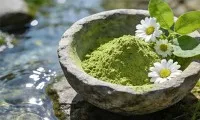

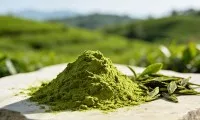
Caffeine is a natural stimulant found in various plants, and it's one of the reasons many people turn to beverages like coffee and tea to kick - start their day. Organic matcha powder, a finely ground powder made from shade - grown tea leaves, is no exception. As a supplier of organic matcha powder, I often get asked about the caffeine content in our product. In this blog post, I'll delve into the details of how much caffeine is present in organic matcha powder, what factors can influence this content, and how it compares to other caffeinated beverages.

Caffeine in Organic Matcha Powder
Matcha is derived from the Camellia sinensis plant, the same plant used to produce all true teas. When it comes to caffeine content, matcha is unique because, unlike regular brewed tea where you steep the leaves and discard them, with matcha, you consume the entire tea leaf in powder form. This means you ingest all the natural compounds present in the leaf, including caffeine.
On average, an 8 - ounce (240 - ml) cup of brewed coffee contains about 95 - 200 milligrams of caffeine. In contrast, a single gram of organic matcha powder typically contains around 36 - 40 milligrams of caffeine. A standard serving of matcha is often considered to be around one teaspoon, which is approximately 2 grams. So, a teaspoon of organic matcha powder would have around 72 - 80 milligrams of caffeine. This places matcha in a position between a cup of black tea (which usually has 40 - 70 milligrams of caffeine per 8 - ounce cup) and a cup of coffee.
Factors Influencing Caffeine Content in Matcha
Several factors can influence the caffeine content in organic matcha powder.
1. Growing Conditions: The amount of sunlight the tea plants receive plays a crucial role. Matcha is made from shade - grown tea leaves. When the plants are shaded, they produce more theanine, an amino acid, and also a higher concentration of caffeine. This is a natural defense mechanism for the plant as it tries to adapt to the reduced sunlight. So, the level of shading and the length of the shading period can affect the caffeine content. A longer shading period often results in higher caffeine levels.
2. Leaf Age: Younger tea leaves generally have more caffeine than older ones. For matcha production, the youngest leaves of the tea plant are carefully harvested. These tender leaves not only contribute to the bright green color and smooth flavor of matcha but also have a relatively high caffeine content.
3. Processing Methods: The way the matcha powder is processed can also influence its caffeine content. For example, how quickly the leaves are steamed after harvest, as well as the grinding process, can potentially impact the final caffeine levels. A slow or improper processing method might lead to some degradation of the caffeine, although this effect is usually minimal if proper practices are followed.
Benefits of Caffeine in Organic Matcha
The moderate amount of caffeine in organic matcha powder offers several benefits. Firstly, it provides a gentle energy boost without the jitters and crashes often associated with high - caffeine products like some energy drinks. This is because matcha also contains theanine, which has a calming effect and works in synergy with caffeine. The combination of theanine and caffeine helps to enhance focus, concentration, and mental alertness in a more balanced way.
Secondly, caffeine is known to increase metabolism. So, consuming organic matcha powder can aid in boosting your body's calorie - burning process, which can be beneficial for those looking to manage their weight.
Comparing Matcha to Other Caffeinated Products
As mentioned earlier, matcha has a different caffeine profile compared to coffee. While coffee provides a quick and intense caffeine hit due to its high caffeine concentration in a single cup, matcha offers a more sustained energy release. The theanine in matcha slows down the absorption of caffeine in the bloodstream, providing a steadier stream of energy over a longer period.
When compared to other tea varieties, matcha still stands out. Since you're consuming the whole leaf, you get a more concentrated dose of caffeine and other beneficial compounds in matcha than you would from a regular cup of brewed tea.
Dietary Considerations
It's important for consumers to be aware of their overall caffeine intake. The FDA recommends that a moderate caffeine intake is about 400 milligrams per day for healthy adults. If you're sensitive to caffeine, it's advisable to start with a small amount of matcha and gradually increase your intake as you gauge your body's reaction.
Some people might also be interested in our other plant - based products like Spine Date Seed Extract Powder, Angelica Dahurica Root Powder, and Black Peppercorn Extract Powder. These products have their own unique properties and health benefits.
Contact for Purchase and Collaboration
If you're interested in purchasing our high - quality organic matcha powder or any of our other plant - based products, we're eager to discuss your needs. Whether you're a retailer looking to add a popular and healthy product to your shelves, a food manufacturer wanting to incorporate matcha into your recipes, or a consumer interested in bulk orders, we can provide you with the right solutions. Reach out to us at sales@botanicalcube.com to start a conversation about how we can meet your requirements and ensure you get the best products at competitive prices.
References
[1] U.S. Food & Drug Administration (FDA). Spilling the Beans: How Much Caffeine is Too Much? 2018.
[2] Mitchell, D.C., Knight, C.A., Hockenberry, J., Teplansky, R., Hartman, T.J. (2014). Beverage caffeine intakes in the U.S. Food and Chemical Toxicology, 63, 136–142.
[3] USDA FoodData Central. Coffee, brewed & Tea, brewed, black. U.S. Department of Agriculture.
[4] Yamamoto, T., Juneja, L.R., Chu, D.-C., Kim, M. (1997). Chemistry and Applications of Green Tea. CRC Press.
[5] Unno, K., et al. (2018). L-theanine enhances cognitive function and attention. Nutrients, 10(10), 1513.
[6] Einöther, S.J.L., Martens, V.E.G. (2013). Acute effects of tea consumption on attention and mood. Nutritional Neuroscience, 16(2), 89–99.