


As a phycocyanin supplier, I am often asked about the various applications of this remarkable natural pigment. Phycocyanin, a blue protein - pigment complex derived from cyanobacteria and some algae, has long been recognized for its health benefits and use in the food, cosmetic, and pharmaceutical industries. However, the question of its potential use in the ceramic industry is an interesting one that warrants exploration.
Properties of Phycocyanin
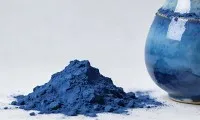
Phycocyanin is known for its intense blue color, which is highly appealing from a visual perspective. In addition to its aesthetic value, it has several other properties that make it potentially useful in different applications. It has antioxidant, anti - inflammatory, and immune - modulating effects, as well as being relatively non - toxic under normal use conditions. From a chemical standpoint, it is a water - soluble protein, which gives it some unique characteristics compared to traditional ceramic pigments.

Current Pigment Use in the Ceramic Industry
The ceramic industry uses a wide range of pigments to achieve different colors and effects. Traditional ceramic pigments are often inorganic compounds, such as metal oxides (e.g., iron oxide for red and brown tones, cobalt oxide for blue). These pigments are valued for their high heat resistance, stability, and ability to withstand the firing processes in ceramic production. For instance, during the high - temperature firing of ceramic pieces, the pigments need to retain their color and integrity, as well as bond properly with the ceramic matrix.
Potential Advantages of Phycocyanin in the Ceramic Industry
- 1. Unique Coloration
Phycocyanin offers a distinct blue color that may be difficult to achieve with traditional ceramic pigments. This could open up new design possibilities for ceramic artists and manufacturers. For example, in creating high - end artistic ceramics or decorative pieces, the natural and vivid blue of phycocyanin could add a touch of uniqueness and a more organic feel compared to the more industrial - looking blues from synthetic pigments. - 2. Biological and Sustainable Aspect
In an era where sustainability and environmental friendliness are highly valued, phycocyanin stands out as a natural and renewable resource. Unlike some inorganic pigments that may be derived from non - renewable minerals or involve complex and energy - intensive extraction and processing methods, phycocyanin can be produced through relatively sustainable biotechnological processes. This could be an attractive feature for consumers who are increasingly conscious of the environmental impact of the products they purchase. - 3. Possible Health - Related Applications
Given its known health benefits, if phycocyanin could be incorporated safely into ceramic products, there might be potential for health - promoting ceramic items. For example, in the production of tableware, the presence of phycocyanin could potentially add a small amount of antioxidant properties to the items, which could be a unique selling point.
Challenges of Using Phycocyanin in the Ceramic Industry
- 1. Heat Stability
One of the major challenges is the heat stability of phycocyanin. Ceramic production typically involves high - temperature firing processes, often ranging from several hundred to over a thousand degrees Celsius. Phycocyanin is a protein, and proteins are generally denatured at high temperatures. This means that it is likely to lose its color and structure during the firing process, which would make it ineffective as a pigment. - 2. Chemical Compatibility
Phycocyanin needs to be compatible with the ceramic matrix and other additives used in the production process. The chemical environment in ceramic production, including the presence of various fluxes, binders, and other pigments, may interact with phycocyanin in unpredictable ways. For example, some chemicals used in the ceramic glaze may cause the phycocyanin to degrade or change its color in an undesirable manner. - 3. Long - term Stability
Even if phycocyanin can survive the initial firing process, it needs to maintain its color and properties over time. In a real - world environment, ceramic products are exposed to various factors such as light, moisture, and chemicals. Phycocyanin may be more susceptible to degradation under these conditions compared to traditional inorganic pigments, which could lead to color fading over time.
Research and Possible Solutions
Some research has been conducted on using natural pigments in the ceramic industry, although the focus on phycocyanin specifically is still limited. One possible approach to address the heat stability issue is to encapsulate the phycocyanin. Encapsulation techniques can protect the phycocyanin from the harsh high - temperature environment during firing. For example, using a polymer - based encapsulation system could shield the phycocyanin until the firing process is complete, and then release it in a controlled manner.
Another area of research could be to modify the chemical structure of phycocyanin to enhance its heat and chemical stability. Through genetic engineering or chemical modification, it may be possible to create a more stable form of phycocyanin that can better withstand the conditions of ceramic production.
Related Organic Products
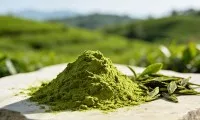
If you are interested in other organic products for various applications, we also offer Enoki Mushroom Extract, Organic Matcha Powder, and Pleurotus Eryngii Extract Powder. These products, like phycocyanin, are sourced from natural materials and have their own unique properties and potential uses.
Conclusion and Call to Action
Phycocyanin is still new to the ceramic field. There are technical challenges to solve, but that's exactly where the opportunity lies. Its distinctive blue tone, natural origin, and growing demand for sustainable materials make it an interesting direction for ceramic innovation.We're already in conversations with researchers, ceramic manufacturers, and creative studios who are curious about pushing these boundaries. If you're exploring new materials, testing natural pigments, or developing eco-conscious ceramic products, we'd be glad to exchange ideas and support your trials. Let's explore what's possible together at sales@botanicalcube.com.
References
- [1] Smith, J. (2018). Natural Pigments in the Modern Industry. Journal of Applied Pigment Science, 12(3), 45 - 58.
- [2] Johnson, A. (2019). Heat Stability of Protein - Based Pigments. Biomaterials Research, 22(1), 78 - 89.
- [3] Brown, C. (2020). Sustainable Materials in Ceramic Production. International Journal of Ceramic Technology, 30(2), 112 - 125.