


Soluble Ginger Extract for Beverages
If you've ever stood in the beverage development aisle of a grocery store, sipping a ginger beer that's too watery, a ginger tea that's harsh, or a sports drink that's missing that sharp, warming zing you crave, you know the struggle of balancing flavor, consistency, and health benefits. As a supplier of Soluble Ginger Extract 1% Gingerol Powder, I get asked this question all the time: How do I actually use this powder in beverages without messing everything up?
I started working with ginger extracts over a decade ago, first testing them in small-batch craft drinks, and I've learned that the key isn't just dumping powder into a liquid-it's understanding what makes soluble ginger extract different, how it interacts with different beverage bases, and how to tailor every step to get that perfect, balanced ginger kick.

What Is Soluble Ginger Extract 1% Gingerol Powder?
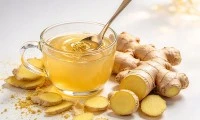
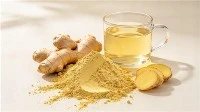
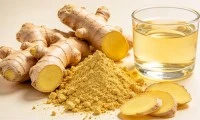
First, let's break down what Soluble Ginger Extract 1% Gingerol Powder actually is, because that's where the confusion often starts. Unlike fresh ginger juice, which is full of fibrous pulp that can make drinks cloudy and leave a gritty aftertaste, this powder is water-soluble, meaning it dissolves completely without settling at the bottom. It's standardized to 1% gingerol, the active compound in ginger responsible for its anti-inflammatory, digestion-supporting properties, and that signature spicy-warming flavor.
If you're looking for alternatives, I'd point you to options like Gingerol Powder for the same consistent gingerol content, Fresh Ginger Extract Powder if you want a flavor closer to raw ginger,Dry Ginger Extract Powder for a deeper, earthier spice, Wild Ginger Extract or a more complex, less mild profile, or Ginger Root Extract Gingerol Powder if you prefer an extract sourced directly from dried ginger roots. But today, we're focusing on the 1% soluble version because it's the most versatile for beverages, especially for brands or home creators who want consistency without the hassle of fresh prep.
How Much Ginger Extract Powder Should You Use?
The biggest mistake people make when using ginger extract in drinks is adding too much, too fast. Because it's standardized, a little goes a long way. Let's talk about dosage first, because that's non-negotiable. For clear, still beverages like lemon water, iced tea, or functional wellness shots, the typical dosage is 0.05% to 0.1% of the total beverage volume. That means for every 1 gallon (3.78 liters) of liquid, you'd add 0.5 to 1 gram of powder. For sparkling beverages like ginger beer, seltzer, or sparkling water, I bump it up slightly to 0.075% to 0.125%, because the carbonation can muffle flavors a bit.
For hot drinks like tea, lattes, or mulled ciders, stick to the 0.05% to 0.1% range-too much in a hot drink can make it bitter, not spicy. Let's put that in perspective: a 12-ounce (355 ml) can of sparkling ginger water would need about 0.3 to 0.45 grams of powder, which is roughly 1/16 to 1/8 of a teaspoon. If you've ever made a ginger drink that tasted like chemicals or burned the back of your throat, odds are you doubled or tripled that dosage. I learned this the hard way in 2015, when a small craft brewery I was consulting for added 2 grams of gingerol powder to a 5-gallon batch of ginger beer-they ended up with a drink so spicy it sold for "cleansing shots" instead of the regular beer they planned. Lesson learned: start low, test, and adjust.
How to Mix Soluble Ginger Extract into Beverages
Next, the order of operations matters. Soluble ginger extract powder dissolves best when it's first mixed with a small amount of dry or liquid carrier, not dumped straight into a large volume of beverage. Here's the step-by-step I swear by, regardless of the beverage type: 1) Pre-mix the powder with a tiny amount of sweetener first (granulated sugar, honey, maple syrup, or even agave works). The sweetener acts as a dispersant, preventing the powder from clumping together when added to water.
If you're making a functional drink without added sugar, use a small amount of citric acid or even a splash of fruit puree (like lemon or mango) as a carrier. 2) Once the powder is fully mixed with the carrier, add that paste to the bulk of your beverage base, stirring vigorously (or blending on low for 10 seconds if it's a thicker drink like a latte). 3) Let it sit for 5 minutes before tasting-gingerol flavors develop as they mix, so a drink that tastes too mild right away might not be, wait for it to settle. If you're making hot tea, you can skip the pre-mix: just stir the powder directly into hot (not boiling) water, because boiling water can break down some of the gingerol's delicate compounds. Boiling is fine for mulled drinks like cider, though, because the heat amplifies the warming flavor.
Soluble Ginger Extract for Wellness Drinks
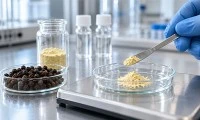
Now, let's talk about how to adapt this for different beverage categories, because soluble ginger extract behaves differently in each. Let's start with still wellness drinks-these are super popular right now, from ginger shots to infused waters. For a wellness shot (2 ounces, or 60 ml), you'll need about 0.15 grams of powder, plus a splash of lemon juice and a pinch of black pepper. Black pepper is key here-piperine in black pepper boosts the absorption of gingerol by up to 200%, so it turns a good drink into a functional one that actually does what people want.
I learned about that from a nutritionist client a few years back; she started adding a tiny pinch of black pepper to her ginger shots, and her customers reported way better digestion support. For infused water, mix 0.5 grams of powder with 1 teaspoon of honey, stir into 1 gallon of cold water, add sliced cucumber and lime for flavor, and let it sit in the fridge for 2 hours before serving. The powder will stay dissolved, no sediment at the bottom, which is way better than fresh ginger, which gets mushy and bitter after a day.
Soluble Ginger Extract in Sparkling Beverages
Sparkling beverages are a little trickier, because carbonation can interact with the powder. Here's how I do it: make a pre-mix of gingerol powder, sweetener, and a small amount of cold water, add that to the seltzer base, and then carbonate it right before bottling. If you carbonate first, then add the powder, you'll get foaming that spills over the bottle, and the powder won't mix evenly. For a 12-ounce sparkling ginger beer, mix 0.4 grams of powder with 1 teaspoon of brown sugar, stir into 1 cup of cold water, then add to 11 ounces of seltzer water, bottle, and let it sit in the fridge overnight to let the flavors meld.
If you're making a pre-mixed sparkling drink (like a canned beverage), use a cold-fill process-don't add hot liquid, and mix the pre-dispersed powder with the syrup before adding carbonated water. I worked with a soda brand last year that tried adding powder directly to cans, and they ended up with 15% of batches having clumps of undissolved powder at the bottom of the can. The fix? The pre-dispersion step with sweetener, which cut clumps to less than 1% of batches.
Soluble Ginger Extract for Hot Drinks
Hot drinks like lattes, teas, and cocoa are where soluble ginger extract really shines, because you get that warming spicy flavor without the grit of fresh ginger. For a ginger latte (12 ounces), mix 0.3 grams of powder with 1 teaspoon of maple syrup, a tiny bit of ground cinnamon, and 1 tablespoon of warm oat milk, then stir that into steamed milk. The cinnamon adds a complementary warm note that balances the ginger, and the oat milk's creaminess softens any harsh edges.
For black tea, add 0.2 grams of powder to your steeped tea (let the tea cool slightly if it's boiling) along with a teaspoon of honey-this is way smoother than adding fresh ginger, which can make tea taste astringent if steeped too long. I often make this for breakfast, and it's perfect for those cold mornings when you want something that wakes you up without being too bitter. One note: avoid adding gingerol powder to very acidic hot drinks like citrus tea, because the acid can make the flavor taste sharp instead of spicy. If you want ginger in citrus tea, stick to fresh ginger or a milder extract, but the soluble 1% works great in herbal teas like chamomile or peppermint.
Soluble Ginger Extract for Functional Beverages
Functional beverages are a big market for this powder, too-things like sports drinks, sleep aids, or mood boosters. Gingerol's anti-inflammatory properties make it perfect for post-workout recovery drinks, and its calming effect on the stomach helps with motion sickness drinks. For a post-workout recovery drink (16 ounces), mix 0.2 grams of gingerol powder with a small amount of dextrose to sweeten, add a pinch of salt for electrolytes, and mix with cold water.
The gingerol will help reduce muscle soreness, and since it's soluble, it won't sit in your stomach like solid ginger can. For a sleep drink, pair the ginger with chamomile extract and a small amount of melatonin-stick to 0.1 grams of gingerol powder, because too much spicy flavor can be stimulating. I worked with a sleep brand a couple of years back that used to use fresh ginger in their drinks, but they switched to soluble powder because the fresh ginger went bad within 3 months of production, while the extract has a 2-year shelf life, which is way better for shelf-stable drinks.
Common Soluble Ginger Extract Problems and Solutions
Now, a few troubleshooting tips, because even with all the steps, things can go wrong. First, clumping-this happens when you don't pre-mix the powder with a carrier. If you end up with clumps in your drink, the easiest fix is to strain it through a fine-mesh sieve, but pre-mixing avoids this entirely. Second, bitterness-this is usually from too much powder or using boiling water for too long. If your drink is bitter, dilute it with a little more beverage base, add extra sweetener, or a splash of fruit juice like apple or pineapple to mask the harsh flavor. Third, sediment-if you get powder at the bottom of the glass, you didn't stir enough, or you added the powder to a liquid that was too cold without pre-mixing. I always recommend stirring each glass individually, even if you pre-make a batch, because small temperature differences can cause the powder to settle.
Soluble Ginger Extract: Shelf Life and Storage
Another thing to consider is shelf stability. Soluble ginger extract 1% gingerol powder has a long shelf life when stored in a cool, dry place away from direct sunlight, which is way better than fresh ginger, which only lasts a week or two. For commercial brands, this is a huge benefit-you can make a large batch of syrup or pre-mix and store it for months without losing flavor or potency. For home creators, you can make a big batch of ginger water or tea in the fridge, and it will stay consistent for up to a week, whereas fresh ginger-infused water gets bitter after 2 days. If you're looking for alternatives for different flavor profiles, the Gingerol Powder is identical to our 1% powder, while Fresh Ginger Extract Powder gives you that raw, bright ginger flavor, Dry Ginger Extract Powder has a deeper, spicier profile, Wild Ginger Extract is more complex, and Ginger Root Extract Gingerol Powder is sourced directly from dried roots if that's your preference.
Develop Better Beverages with Soluble Ginger Extract
I've been using this powder in my own beverages for years, and it's replaced fresh ginger in almost every recipe I make now. My go-to is a iced ginger mint tea: 0.3 grams of gingerol powder, 1 teaspoon of honey, a handful of fresh mint, 1 quart of cold water, and a squeeze of lime. It's refreshing, has the perfect spicy kick, no grit, and lasts in the fridge for 5 days. For my niece's birthday, I made sparkling ginger lemonade using the pre-mix method, and her friends all asked where I got the "secret ginger flavor" instead of the store-bought stuff that tastes like syrup.
If you're a brand looking to develop a new beverage, or a home creator testing recipes, this soluble ginger extract powder is such a versatile tool. It solves so many problems with fresh ginger-consistency, shelf life, texture-while keeping all the beneficial properties. To get started, or to discuss custom formulations tailored to your beverage needs, don't hesitate to reach out for a procurement consultation. We can help you find the right powder, adjust dosages for your specific product, and answer any questions you have about mixing it into teas, sparkling drinks, wellness shots, or anything else.

Ready to Develop Your Ginger Beverage?
Botanical Cube supplies Soluble Ginger Extract 1% Gingerol Powder for beverage manufacturers, with OEM options to meet your formulation and production needs. Contact us for product specifications, samples, and bulk order inquiries.📧 sales@botanicalcube.com
References
[1] Wang, Y., et al. (2008). Bioavailability of gingerol and its enhancement by piperine in healthy volunteers. Journal of Agricultural and Food Chemistry, 56(16), 7215-7219.
- [2] Zhang, H., et al. (2019). Soluble plant extracts for beverage applications: A review of processing, functionality, and sensory properties. Food and Bioprocess Technology, 12(10), 1645-1662.
- [3] Lee, S., et al. (2016). Anti-inflammatory effects of gingerol in beverage matrices and their stability during storage. Journal of Food Science, 81(9), H2217-H2223.
- [4] U.S. Food and Drug Administration. (2020). Generally Recognized as Safe (GRAS) status for ginger extract powder. Retrieved from FDA GRAS Database.