


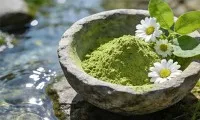

Hey there, fellow matcha lovers! I'm stoked to share with you the ins and outs of making the perfect organic matcha powder latte. As an organic matcha powder supplier, I've seen firsthand the magic that happens when high - quality matcha meets a warm cup of milk. So, let's dive right in!
What is Organic Matcha Powder?
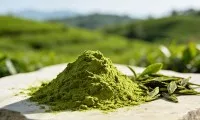
First things first, what exactly is organic matcha powder? Well, matcha is a finely ground powder made from shade - grown green tea leaves. The organic part means that the tea leaves are grown without the use of synthetic pesticides, fertilizers, or genetically modified organisms (GMOs). This not only makes it a healthier choice but also gives it a more vibrant flavor and higher nutritional value.
You know, matcha is chock - full of antioxidants, like catechins, which are known for their health benefits such as boosting metabolism, reducing inflammation, and even protecting against certain types of cancer. It also contains L - theanine, an amino acid that promotes relaxation without the drowsiness, making it a great alternative to coffee.

While matcha is widely associated with antioxidants and L-theanine, health-related claims must be adjusted according to local regulations. Many brands position matcha through clean-label messaging, natural energy support, or premium green tea heritage rather than direct functional claims.
From a commercial perspective, organic matcha powder is not just a tea ingredient-it is a functional coloring, flavoring, and nutritional component. Its performance directly affects product appearance, taste consistency, and consumer perception, especially in latte-based beverages.
Ingredients for Organic Matcha Latte Applications
For commercial latte products, ingredient selection should focus on stability, flavor consistency, color performance, and regulatory compliance.
1. Organic Matcha Powder
The core ingredient in any matcha latte formulation. For business applications, culinary-grade or latte-specific matcha is commonly used rather than ceremonial grade. Key parameters include particle size, color value (L*a*b*), solubility, and bitterness control. Consistent sourcing and organic certification are essential for large-scale production.
For professional buyers, additional technical specifications often include:
- Moisture content
- Microbial limits
- Heavy metal compliance
- Shelf-life stability under different storage conditions
2. Milk or Plant-Based Milk Alternatives
Dairy milk, oat milk, almond milk, soy milk, and coconut milk are all widely used in latte products. The choice of milk base affects mouthfeel, flavor balance, and shelf stability, especially in ready-to-drink (RTD) or powdered beverage formats.
Plant-based milk systems may require formulation adjustments due to differences in protein structure and fat composition. Oat and soy milk typically offer better compatibility with matcha, while almond and coconut milk may require stabilizers to prevent separation.
3. Sweetening System (Optional)
Sweeteners such as cane sugar, coconut sugar, stevia, or maple syrup powder can be adjusted according to market positioning. In many formulations, sweetness is optimized to balance matcha's natural umami and mild bitterness.
4. Water or Carrier System
Water is used during pre-dispersion or extraction steps to ensure uniform hydration of matcha powder before blending with other components.
Processing Considerations for Latte Manufacturing
In commercial production, traditional tools are replaced by industrial processing methods to ensure efficiency and consistency.Processing parameters that work in small batches often behave differently in industrial settings. Pilot testing is recommended to evaluate color stability, sedimentation, and flavor consistency before full-scale production.
1. Powder Pre-Treatment
Fine sifting or controlled milling is recommended to prevent agglomeration and improve dispersibility in liquid systems.
2. Matcha Dispersion
Matcha powder is typically pre-mixed with warm water using high-shear mixing to achieve a smooth, lump-free suspension before milk integration.
3. Milk Blending & Heat Control
Temperature control during milk blending is critical to maintain color stability and avoid off-flavors. This step is especially important for RTD beverages and concentrate formulations.
4. Flavor Adjustment & Standardization
Sweeteners, natural flavors, or functional plant extracts can be incorporated at this stage to meet specific formulation goals.Sensory evaluation panels and reference samples are commonly used to standardize flavor profiles across batches, ensuring consistent consumer experience regardless of production scale or destination market.
Formulation Variations & Value-Added Options
To differentiate matcha latte products in the market, brands often enhance formulations with additional functional or flavor components:
- Spice or Botanical Extracts
- Ingredients such as cinnamon extracts can be used for flavor complexity and added functional appeal.
- Functional Plant Extracts
- Selected botanical extracts may be incorporated to support specific positioning, such as energy, focus, or wellness-oriented beverages.
Value-added formulations allow brands to position matcha lattes for specific markets such as:
- Functional beverages
- Premium café-style drinks
- Clean-label or organic-focused product lines
Why Choose Our Organic Matcha Powder?
As a professional supplier of organic matcha powder, we focus on quality consistency, supply stability, and application performance for commercial use.Beyond product quality, long-term cooperation with a matcha supplier depends on communication efficiency, documentation support, and formulation assistance, especially for international markets.
1. Certified Organic & Sustainable Sourcing
Our matcha is produced under certified organic farming systems, ensuring compliance with international food safety standards while supporting sustainable agricultural practices.
2. Stable Quality for Commercial Applications
We work closely with selected tea farms to ensure consistent color, flavor profile, and nutrient retention-key factors for latte formulations, RTD beverages, and powdered drink mixes.
3. Full Batch Traceability
Every batch of matcha powder is fully traceable from farm to production, providing transparency, authenticity, and confidence for brand owners and manufacturers.
Reliable Bulk Supply & OEM Support
Our organic matcha powder is suitable for a wide range of commercial applications, including beverage brands and café chains, food and beverage manufacturers, private label and OEM projects, as well as distributors and ingredient traders. We provide consistent quality, reliable bulk supply, and formulation support, ensuring that each type of business can achieve stable production and high-quality finished products.
Whether you are sourcing organic matcha powder for latte applications, private label projects, or large-scale production, our team is ready to support your product development and long-term supply needs. For specifications, samples, and commercial terms, please contact us at sales@botanicalcube.com.
Reference
[1] Haskell, C. F., et al. Matcha consumption maintains attentional function following a mild acute psychological stress without affecting a feeling of fatigue: A randomized placebo‑controlled study in young adults. Nutrition Research (2020). This study found that daily matcha intake improved attention after stress in adults, likely due to catechins, theanine, and caffeine.
[2] Monobe, M., Nomura, S., Ema, K., & Horie, H. Influence of continued ingestion of matcha on emotional behaviors after social stress in mice. Bioscience, Biotechnology, and Biochemistry (2019). Research demonstrating matcha's stress‑reducing effects associated with L‑theanine and other compounds.
[3] Health Benefits and Chemical Composition of Matcha Green Tea: A Review. PubMed. This review summarizes matcha's chemical components (EGCG, catechins, polyphenols) and health‑promoting effects, attributing benefits to its high antioxidant content.
[4] Dietz, C., Dekker, M., & Piqueras‑Fiszman, B. An intervention study on the effect of matcha tea, in drink and snack bar formats, on mood and cognitive performance. Food Research International (2017). A randomized controlled trial showing matcha consumption can positively influence attention and some cognitive functions.
[5] Matcha vs. Green Tea: Which Has More EGCG/Antioxidants? TeaTrade. This industry analysis explains how matcha provides higher concentrations of EGCG and L‑theanine compared with traditional steeped green tea, due to whole‑leaf consumption.