


In the realm of health and wellness, plant extracts have emerged as a vital component, offering a natural and often effective alternative to synthetic compounds. As a leading supplier of advantaged plant extracts, I am frequently asked about the shelf - life of these remarkable products. Understanding the shelf - life is essential for both consumers and us as suppliers, as it directly impacts the quality, efficacy, and safety of the extracts.
Understanding Shelf - life
Shelf - life refers to the period during which a product can be stored under specified conditions and still retain its quality, potency, and safety. For advantaged plant extracts, this means that they maintain their chemical composition, biological activity, and meet the quality standards set by regulatory bodies. Several factors can influence the shelf - life of plant extracts, including the type of plant, the extraction method, the storage conditions, and the presence of additives or preservatives.
Types of Plant Extracts and Their Shelf - lives
Egcg Extract Powder
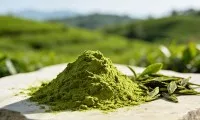
EGCG (Epigallocatechin Gallate) is a powerful antioxidant found in green tea. Our Egcg Extract Powder is derived from high - quality green tea leaves using advanced extraction techniques. Typically, under proper storage conditions (cool, dry place, away from direct sunlight), the shelf - life of Egcg Extract Powder can range from 2 to 3 years.
The stability of EGCG is affected by factors such as temperature and humidity. High temperatures and humidity can accelerate the degradation of EGCG, leading to a loss of its antioxidant activity. Therefore, it is crucial to store the powder in air - tight containers and in a controlled environment.
Ashwagandha Root Extract Withanolides Powder
Ashwagandha is an ancient herb known for its adaptogenic properties. Our Ashwagandha Root Extract Withanolides Powder is carefully processed to preserve the withanolides, the bioactive compounds responsible for its health benefits.
The shelf - life of Ashwagandha Root Extract Withanolides Powder is generally around 2 years. However, this can vary depending on the extraction process and the purity of the extract. For example, extracts with a higher concentration of withanolides may have a slightly shorter shelf - life due to their increased reactivity. Like EGCG, proper storage in a cool, dry place is essential to maintain its quality over time.
Magnesium Glycinate Powder
Although not a pure plant extract, Magnesium Glycinate is often used in combination with plant extracts for its various health benefits. Our Magnesium Glycinate Powder is a high - quality supplement that can be stored for up to 3 years under optimal conditions.
Magnesium Glycinate is relatively stable, but it can be affected by moisture. Exposure to water can cause the powder to clump and potentially reduce its bioavailability. Therefore, it is important to keep the powder in a sealed container and avoid storing it in areas with high humidity.
Extraction Methods and Shelf - life
The method used to extract plant compounds also plays a significant role in determining the shelf - life of the extracts. Different extraction methods can result in extracts with different levels of purity, stability, and bioactivity.
For example, solvent extraction methods can sometimes leave traces of solvents in the extract, which may affect its stability over time. On the other hand, supercritical fluid extraction (SFE) is a more advanced method that uses carbon dioxide as a solvent. This method is known for producing high - quality extracts with minimal solvent residues and better stability, which can potentially extend the shelf - life of the plant extracts.
Storage Conditions
Proper storage conditions are crucial for maintaining the shelf - life of advantaged plant extracts. Here are some general guidelines:


- Temperature: Most plant extracts should be stored at a cool temperature, preferably between 2 - 8°C (36 - 46°F). Higher temperatures can accelerate the degradation of bioactive compounds, leading to a loss of potency.
- Humidity: Low humidity is essential to prevent moisture from causing the extracts to clump, mold, or degrade. A humidity level of less than 60% is recommended.
- Light: Exposure to light, especially sunlight, can cause photodegradation of plant compounds. Extracts should be stored in opaque containers or in a dark place.
- Air: Oxygen can react with some plant compounds, leading to oxidation and a decrease in quality. Therefore, extracts should be stored in air - tight containers.
Importance of Shelf - life for Consumers and Suppliers
For consumers, understanding the shelf - life of plant extracts is important to ensure that they are getting a product that is safe and effective. Using expired extracts may not provide the desired health benefits and could potentially be harmful.
As a supplier, we are committed to providing high - quality plant extracts with a clear indication of their shelf - life. We conduct regular quality control tests to monitor the stability of our products over time. By providing accurate information about shelf - life, we help our customers make informed decisions and ensure their satisfaction.
Contact for Purchase and Collaboration
If you are interested in purchasing our advantaged plant extracts, including the Egcg Extract Powder, Ashwagandha Root Extract Withanolides Powder, and Magnesium Glycinate Powder, please feel free to contact us for more details. We are always ready to discuss your specific requirements and provide you with the best solutions. Our team of experts can also offer guidance on the proper storage and use of our products to ensure their optimal performance.
References
- "Handbook of Herbs and Spices", edited by K. V. Peter, Woodhead Publishing Limited, 2001.
- "Plant Extracts for Pharmaceutical and Nutraceutical Industries", by R. C. Gupta, CRC Press, 2015.
- "Stability of Natural Products: Principles and Practices", by R. T. Borchardt, Springer, 2007.