




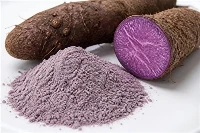
Freeze-dried blueberry powder is a convenient way to add the health benefits of blueberries to recipes, smoothies, oatmeal, yogurt, and more. Often used as a natural supplement, this powder provides antioxidants, fiber, vitamin C, and manganese in an easily mixed format. Unlike fresh berries which can spoil quickly, the freeze-drying process preserves the nutrients while extending shelf life substantially. This versatility coupled with the process's ability to retain flavor better than alternatives like air drying make it an appealing option for homemade use. This guide will outline the freeze-drying methodology from ingredient selection to storage recommendations.

What is Freeze-Drying?
Freeze-drying, also known as lyophilisation, is a drying process typically used to preserve perishable materials like food products and pharmaceuticals. It involves freezing the product, then reducing pressure to allow the frozen water inside to sublimate directly from solid phase to gas without passing through a liquid intermediary. This low temperature, low pressure approach leaves behind a dry, porous structure that retains more flavor, aroma, nutrients, shape, and color than alternatives like oven drying. Air drying can shrink and harden many products through case hardening, but freeze-drying avoids this by drying from a frozen state[1].
The lack of liquid phase transition also inhibits chemical reactions promoted by water and reduces microbial growth, giving many freeze dried goods an extended shelf life of multiple years at room temperature. Additionally, the process concentrates flavors and makes items like freeze dried fruit easier to grind into a powder. For items like blueberries, freeze-drying also helps the antioxidants and other health molecules retain activity better than alternatives. Overall, this technique can create stable, long-lasting berry powders without compromising on quality.
Preparing Fresh Blueberries for Freeze-Drying
1 Selecting Peak Blueberries
Blueberries selected for Freeze Dried Blueberry Powder should be ripe but still firm, with a deep blue or purple color and slight pale frost[2]. Overripe berries may leak too much liquid during processing. Prior to freeze-drying, the washed berries should be spread in a single layer on trays and frozen solid, ideally overnight or longer. Allowing them to freeze slowly can damage cell structure through ice crystal formation and pull moisture to the surface. Quick freezing helps food retain shape, texture, and moisture distribution.
2 Washing Blueberries
Whether commercially grown or homegrown, blueberries should be washed before freeze-drying. Rinse freshly picked berries under cool, running water while gently rolling them around[3]. Soaking can lead to premature spoilage through skin splitting. Allow the rinsed berries to drain thoroughly on absorbent towel liners rather than metal screens before selecting only plump, dry, intact berries for the next freezing step. Sort out and discard any crushed or damaged berries that may be more prone to collapse during freeze-drying.
The Freeze-Drying Process
1 Equipment
While commercial freeze-dryers can be very large and expensive, countertop home models are also available for small batch processing[4]. These vacuum chamber machines typically consist of a drying chamber to hold trays of food, temperature controls to freeze and heat the contents, chamber door seals, vacuum pump, refrigerant coils or compressors, vacuum release valves, and condensing plates to capture escaping vapor. Many also have defrost cycles and control panels to select programs.
2 Loading the Freeze Dryer
After washing and freezing blueberries in single layers on trays, they can be loaded into the freeze-drying machine per the manufacturer's recommendations. Keeping berries in a single layer helps maximize surface area for sublimation while preventing clumping[5]. The trays should have holes or mesh bottoms to let vapors pass through. With home machines, multiple batches may be required depending on chamber size. Baskets, silicone mats, and other open tray materials can all work as long as ascending vapors can access undersides.
3 Running the Equipment
Home freeze dryers normally have preprogrammed settings for various foods. After starting the equipment, the automatic process begins by vacuuming air out of the sealed chamber and freezing the food via built-in refrigeration coils or plates surrounding the trays. When maximum vacuum pressure is reached, usually around 0.3 millibars, the heating unit activates to supply just enough heat to slowly raise the temperature a few degrees above the frozen state[4]. This encourages ice to transition directly to water vapor through sublimation while keeping temperatures too low to thaw. The evaporating ice crystals leave behind pores in the dried food material.
As sublimation proceeds, the released water vapor gets captured by separate condenser coils or plates kept significantly colder than the sample trays by 30°C or more[6]. This temperature gradient causes the water vapor to re-freeze and thus exit the chamber as ice rather than gas. Gradually all moisture gets removed this way, leaving 20% or less original weight as the dried foodstuff. After 1-2 days typically required for blueberries, the machine resets to room pressure via release valves before finished goods can be unloaded for grinding[5].
Powdering the Freeze-Dried Blueberries
To grind Freeze Dried Blueberry Powder, allow them to equilibrate to room temperature overnight after removal to prevent condensation issues from residual internal ice[6]. Because most home units leave some moisture inside, an additional supplemental drying period in a traditional oven or food dehydrator may be warranted for maximum powderability without clumping. Checking moisture meters with test samples can verify if further drying is beneficial.
Grinding Tools
Once fully dried and brittle, the blueberry pieces can be broken and powdered via food processor, blender, spice grinder, or even manual mortar and pestle. Their low condensed weight and hardened structure now make them easy to grind versus fresh berries. Avoid metal blades which can heat and discolor powders; food-grade plastics are ideal[5]. Process in small batches if needed to prevent packing down into cake-like bricks. Continue until a fine uniform powder is achieved, with particles ranging from coarse to dust. Sift or strain out any remaining chunks or pieces with a mesh tea strainer or sieve if desired.
Storing and Using Freeze-Dried Blueberry Powder
1 Storage Considerations
Exposure to moisture causes freeze dried goods to rehydrate and lose the long shelf life benefit of this process[1]. Store freshly made blueberry powder in airtight glass jars or resealable bags in a dark, dry, temperature stable location like other dried spices[6]. Light and heat also degrade certain nutrients over time. While freeze-dried items can keep a year at room temperature due to their low moisture levels, refrigerator or freezer storage are recommended for multi-year lifespan retention.
2 Culinary Uses
In powdered form, concentrated blueberry essence can easily incorporate into smoothies, yogurt, oatmeal, granola, pancakes, breads, desserts, and more. The fine particles mix uniformly without imparting significant texture. As little as 1⁄4-1⁄2 teaspoon can provide vibrant flavor and nutrition boosts. Shelf stable convenience allows owning your own natural "superfood" supplement to flavor items by the spoonful versus buying expensive specialty goods from the store. Try adding bright notes of summer with blueberry powder year round.
3 Potential Health Benefits
Blueberries provide vitamin C, manganese, fiber plus an array of phytochemicals like anthocyanins and other polyphenols shown in studies to have antioxidant and anti-inflammatory properties[7]. Concentrating them through drying and powdering preserves these compounds. Enjoying daily smoothies, oats or other foods boosted with home Freeze Dried Blueberry Powders can increase consumption of certain beneficial bioactive molecules. While more research is still needed, enriching one's diet with blueberries appears generally advantageous.
Conclusion
Taking fresh blueberries carefully through a freeze-drying process can convert them into a concentrated, shelf stable powder full of flavor and nutrition. This requires selection of optimal fruit, freezing them solid initially before loading into specialized drying equipment. Only precise low temperature, vacuum controlled conditions can dehydrate through sublimation while avoiding collateral damage. Grinding the dried berries produces a fine powder useful for boosting smoothies, baked goods and numerous other items. When stored properly in a cool, dark, dry environment, homemade blueberry powder can provide long-lasting, antioxidant benefits. The versatility of incorporating such a product makes the freeze-drying effort worth considering.
Botanical Cube Inc. is your reliable supplier of high-quality Freeze Dried Blueberry Powder, guaranteeing authenticity, stability, and mass production. With a strict adherence to international quality standards and certifications, you can trust in the purity and effectiveness of our products. Our commitment to innovation, R&D, and quality assurance sets us apart. We believe that innovation is crucial for maintaining competitiveness in the market, and our scientific testing of indicators such as purity and microbiology ensures that our ingredients meet the highest standards.
Additionally, we offer professional technology and customized services to help customers develop new and innovative formulas, catering to various industries including herbal medicine, health food, dietary supplements, food and beverages, chemical products for daily use, and cosmetics. Our certification laboratory is equipped with advanced testing and identification tools, and we collaborate with globally recognized third-party laboratories to ensure the stable, safe, and efficient quality of our products. This comprehensive approach extends from new ingredient development to the analysis of herbal medicines, providing the best quality control throughout the entire system. For more information, please contact us at sales@botanicalcube.com or visit our website.
References
1. Huang, Lili, Zhang, Min, Mujumdar, Arun S., Lim, Robertang. (2017). Comparison of four drying methods for re-structured mixed potato with apple chips. Journal of Food Engineering, 215, 56–64.
2. Beaudry, R. (1999). Blueberry Quality Characteristics and How They Can Be Optimized. Annual Report - Michigan State University. Blueberry Science.
3. Sapers, G.M. (2003). Washing and Sanitizing Raw Materials for Minimally Processed Fruit and Vegetable Products. In: Food Safety Management (eds V.K. Juneja, J.N. Sofos). CRC Press.
4. Home Freeze Dryer Guide. (n.d.). freeze dry guy LLC. Retrieved December 7, 2023.
5. Herbs, Spices & Fruit Powder: Using Your Home Freeze Dryer. (2020). Harvestright.
6. Meryman, H. (2004).Freeze drying. In C. Hall (Ed.), Drying and storage of agricultural crops (pp. 249–264). CRC Press.
7. Basu, Arpita & Du, Mengmeng & Leyva, Marisol & Sanchez, Karla & Betts, Neil M. & Wu, Mingfu & Aston, Christopher E. & Lyons, Timothy J.. (2010). Blueberries Decrease Cardiovascular Risk Factors in Obese Men and Women with Metabolic Syndrome. The Journal of nutrition. 140. 10.3945/jn.109.118216.