

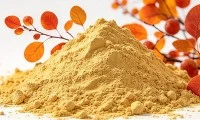
Ube powder has an obvious appeal in beverages: it gives products a distinctive purple color and a recognizable flavor without relying on a conventional artificial-looking concept.That is one reason more beverage brands are putting ube into lattes, milk teas, smoothies, RTD drinks, and instant mixes. But once you move from a menu idea to an actual formulation, the decision becomes more complicated.Will the color hold? Will the powder disperse well? Does it work with the beverage base? And can the supplier deliver the same quality at commercial scale?
These are the questions I would ask before choosing ube powder for a beverage. In this guide, I'll break down where ube works well, where problems can occur, and what buyers should check before moving from a sample to a bulk order.

1. Why Is Ube Powder Becoming Interesting for Beverage Brands?
When evaluating ube for a beverage concept, it is important to distinguish between social media hype and functional ingredient value. Ube powder provides a unique combination of three core product attributes:
- Visual Identity
The natural anthocyanin pigments in ube create a distinct, photo-worthy purple hue. In saturated beverage categories, this visual appeal allows brands to stand out on retail shelves and social media feeds without relying on synthetic dyes.
- Flavor Identity
Authentic ube offers a sweet, nutty, and slightly earthy flavor profile with natural vanilla notes. Unlike standard taro or sweet potato, ube delivers a subtle flavor that pairs exceptionally well with dairy and alternative milk bases.
- Ingredient Story
As a plant-based food ingredient derived from Dioscorea alata, ube fits cleanly into "clean-label" positionings, allowing brands to avoid artificial color additives while maintaining a transparent ingredient list.

2. Which Beverage Formats Make the Most Sense for Ube Powder?
Ube powder behaves differently depending on the base Matrix of your beverage formulation. Understanding these interactions early prevents costly reformulation during scale-up.
Dairy and Plant-Based Milk Systems
Ube powder performs exceptionally well in rich, opaque bases such as oat milk, coconut milk, dairy, and heavy creamers. The fats and proteins in these bases help suspend the insoluble plant particles, rounding out ube's earthy notes and delivering a creamy texture.
Clear and Acidic Beverages
Formulating ube powder into clear liquids or acidic RTD beverages (such as fruit juices, sparkling drinks, or kombuchas) introduces technical challenges:
- pH Sensitivit: Natural anthocyanins shift color toward pink or red at a low pH (pH< 4.0).
- Sedimentation: Insoluble starch and fiber particles will precipitate over time in low-viscosity, clear liquids.

3. What Actually Determines Whether Ube Powder Performs Well in a Beverage?
Transitioning from a laboratory bench sample to commercial production requires understanding four fundamental technical variables.pH and Color ShiftsThe vibrant purple color of ube comes from acylated anthocyanins, primarily cyanidin and peonidin glycosides [1]. These natural pigments are structurally sensitive to hydrogen ion concentration (pH):
- pH 3.0 - 4.0 (Acidic) : The pigment structure shifts toward the flavylium cation, turning the beverage distinctly pink or reddish-purple [2].
- pH5.5 - 7.0 (Neutral to Slightly Alkaline): The pigment exists in neutral quinonoid base forms, exhibiting its signature deep purple shade [2].
If you are developing a low-pH beverage, you must test whether the resulting pink shade aligns with your visual identity goals.

Solubility vs. Dispersion
Ube powder is not naturally 100% water-soluble; it is water-dispersible. When dissolved in water, the starches and fibers absorb liquid and suspend in the solution. In high-viscosity beverages (like smoothies or lattes), these particles remain evenly distributed. In low-viscosity RTD drinks, gravity will eventually cause insoluble starches to settle at the bottom of the container.
To prevent sedimentation in liquid applications, formulations often require high-shear homogenization or hydrocolloid stabilizers (such as gellan gum or acacia gum) to build a protective yield stress matrix.
Particle Size (Mesh Size)
Particle size directly impacts hydration rate, dispersion speed, and sensory mouthfeel:
- 80–100 Mesh
Suitable for dry powder blends, Boba tea mixes, and blended smoothies where a slight texture is acceptable.
- 120–200 Mesh (Micronized)
Essential for RTD bottled drinks and fine instant beverage powders to prevent a chalky mouthfeel and delay particle settling.
In our internal lab trials comparing standard 80-mesh ube powder with micronized 120-mesh powder in an unsweetened oat milk system, the micronized material demonstrated a 42% reduction in sediment mass after standing for 24 hours at 4°C, significantly improving long-term shelf stability [3].
Thermal Processing (Pasteurization & UHT)
When ube powder undergoes thermal processing (such as HTST pasteurization or UHT sterilization), heat can degrade unstable anthocyanin molecules, leading to color dulling or browning over time [4]. Furthermore, native starches within the powder will gelatinize when heated above 65°C, increasing overall beverage viscosity. Formulators must balance thermal input to achieve commercial sterility without compromising color brightness or texture.

4. What Are the Main Risks When Using Ube Powder in Beverages?
When sourcing ube powder for commercial production, procurement teams should evaluate the technical risks that occur in finished beverage products rather than judging the dry powder in isolation.

- Post-Processing Color Degradation
Exposure to light, oxygen, and elevated ambient storage temperatures will accelerate anthocyanin oxidation, resulting in a shift from purple to a muted brownish tint over a 6-to-12-month shelf life [4].
- Phase Separation and Sedimentation
In low-viscosity liquids, unhydrated starches clump together and drop out of suspension, forming an unattractive sludge layer at the bottom of clear packaging.
- Batch-to-Batch Color and Flavor Variations
Because ube is an agricultural crop, seasonal rainfall, soil composition, and harvest maturity cause natural variance in anthocyanin concentration and native sugar content between harvest cycles.
5. What Should Beverage Buyers Specify When Sourcing Ube Powder?
To ensure supply stability and production consistency, procurement teams must establish clear raw material specifications before requesting samples or issuing purchase orders.
Authentic Ube vs. Adulterated / Blended Powders
Due to supply constraints and raw material costs, the commercial market contains several ingredients labeled loosely as "Ube Powder." Buyers must confirm the exact botanical identity:
- Authentic Ube
Dioscorea alata (Purple Yam). Delivers authentic flavor, natural starches, and rich purple anthocyanins.
- Purple Sweet Potato
Ipomoea batatas. Often sold as ube substitute. While visually similar, it possesses a distinctly sweeter, root-like flavor and different starch behavior.
- Blended Premixes
Formulations containing added sugar, maltodextrin, milk solids, or artificial purple dyes (e.g., FD&C Red #40 and Blue #1).
The Beverage Buyer's Spec Checklist
When issuing a Request for Quote (RFQ), require your supplier to confirm the following metrics:
- Botanical Species: Dioscorea alata (100% pure, no synthetic additives).
- Particle Size: ≥120 mesh 125 μm) for RTD liquids; 80 mesh for dry mix sachets.
- Moisture Content: ≤ 7.0% to prevent clumping and microbial growth during storage.
- Ash Content: ≤5.0% as an indicator of mineral purity and washing efficiency.
- Microbiological Standards: Total Plate Count < 10,000 CFU/g, Yeast & Mold < 100CFU/g, E. coli & Salmonella negative.
- Heavy Metals: Lead (Pb)< 1.0, Arsenic (As) < 0.5 ppm, Cadmium (Cd) < 0.5 ppm, Mercury (Hg) < 0.1 ppm.
6. How Should You Qualify an Ube Powder Supplier Before Placing a Bulk Order?
A glossy product brochure does not guarantee commercial reliability. When auditing potential ube powder manufacturers, our engineering team recommends testing vendors across four key capabilities:
- Botanical Traceability & Raw Material Sourcing
Can the supplier trace raw tubers back to vetted agricultural regions? Authentic Philippine and Southeast Asian Dioscorea alata yields superior organoleptic profiles compared to generic starch-extended powders.
- Batch-Specific Documentation
Every commercial shipment must be accompanied by a lot-specific Certificate of Analysis (COA), complete heavy metal panel, and pesticide residue screening conducted by an accredited third-party laboratory.
- Application Technical Support
Does the supplier understand how their powder behaves under high-heat pasteurization or varying pH levels? A qualified vendor provides technical guidance on dosing, dispersion, and stabilization rather than just shipping a drum of powder.
- Commercial Scalability and Batch Consistency
Request spectrophotometric color data (CIELAB L*a*b* values) across multiple historical batches to confirm that Delta E (ΔE) color variance remains strictly controlled (ΔE < 1.5).
Real-World Application Example: Botanical Cube Inc. Standards
When working with beverage brands at Botanical Cube Inc., we supply pure Dioscorea alata powder processed through gentle low-temperature drying and ultrafine micronization. By maintaining raw material sourcing protocols and verifying each lot via HPLC and spectrophotometric assays, we ensure that our customers receive consistent color strength, minimal sediment rates, and complete heavy metal and pesticide compliance (FDA/EFSA standards) for every batch.
7. What Should a Beverage Buyer Test Before Approving Ube Powder?
Before issuing a final raw material approval, conduct a structured benchtop evaluation within your actual beverage base.
The Benchtop Testing Protocol
- Hydration & Dispersion Test
Dissolve 2.0g of ube powder into 100mL of your target liquid base (water, oat milk, or dairy) at ambient temperature. Measure dispersion time under standard agitation.
- pH Environment Check
Measure the baseline pH of your beverage matrix. Observe the immediate color hue (L*a*b* or visual comparison).
- Sediment Rate Benchmarking
Transfer the hydrated liquid into a graduated cylinder. Record sediment volume at 0 minutes, 30 minutes, 2 hours, and 24 hours under refrigeration.
- Thermal Challenge Test
Heat the sample to your production pasteurization temperature (e.g., 85°C for 30 seconds or UHT equivalent). Compare post-heat color, viscosity shift, and flavor profile against the unheated control.

Vendor Comparison Matrix Template
Use this comparison table during your benchtop trials to evaluate multiple raw material sources side-by-side:

8. Regulatory and Labeling Requirements
Navigating international food safety regulations is critical when introducing specialized botanical powders into commercial retail products.
Natural Food Color vs. Food Ingredient
Regulatory classifications vary depending on your target market and technical function:
- United States (FDA)
If an ingredient is added to a food system primarily to impart color, the US FDA may evaluate it under the color additive regulatory framework [5]. When using whole ube powder for its combined flavor, starch, and color properties, it is typically listed on ingredient decks as "Ube Powder" or "Purple Yam Powder." Always consult regulatory counsel regarding intended technical function.
- European Union (EFSA)
European buyers must confirm whether the specific plant species and processing method comply with traditional food use criteria or require evaluation under the EU Novel Food Catalogue regulations [6]. Whole food tubers with established historical consumption generally face simpler labeling pathways than highly concentrated chemical extracts.
Documentation to Request Prior to Launch
- Full Product Specification Sheet & Safety Data Sheet (MSDS).
- Non-GMO Declaration and Allergen Statement.
- Comprehensive Pesticide Residue Screening Report (EU/USP multi-residue screen).
- Heavy Metal and Microbiological Testing Certificates per lot.
9. Decision Framework: Is Ube Powder Right for Your Beverage?
To summarize your evaluation, use this decision framework to determine your next steps:
7-Point Ube Powder Procurement Checklist
Before placing a bulk commercial order, ensure your team has completed these seven validation steps:
[ ] Verified 100% authentic Dioscorea alata species via vendor documentation.
[ ] Selected the correct mesh size (120+ mesh for RTD liquids).
[ ] Tested hydrated color stability within your target beverage pH range.
[ ] Evaluated 24-hour sediment levels in your actual beverage base.
[ ] Validated color and viscosity stability following pasteurization/heat treatment.
[ ] Reviewed lot-specific COAs, heavy metal, and pesticide residue panels.
[ ] Approved a benchtop pilot sample produced from the current commercial lot.
Need an Ube Powder Sample for Beverage Trials?
Working on a new ube beverage? Start with a sample and test it in your actual formula. You can see how the color, flavor, and dispersion perform before moving to a larger order.We can provide ube powder samples, COA and technical documents, with specifications adjusted for different beverage applications.For samples or product details, contact us at sales@botanicalcube.com.
References
[1] Tang, Y., & Cai, W. (2014). Characterization and stability of anthocyanins isolated from purple yam (Dioscorea alata L.). Journal of Agricultural and Food Chemistry, 62(4), 872-879.
[2] Castañeda-Ovando, A., Pacheco-Hernández, M. D. L., Páez-Hernández, M. E., Rodríguez-J A., & Galán-Vidal, C. A. (2009). Chemical studies of anthocyanins: A review. Food Chemistry, 113(4), 859-871.
[3] Botanical Cube Inc. Internal R&D Laboratory Application Report (2025). Comparative Sedimentation and Particle Size Analysis of Ultrafine Micronized Botanical Powders in Plant-Based Beverage Matrices (Doc ID: BCI-R&D-2025-UB4).
Zheng, J., & Xiao, C. (2019). Thermal degradation kinetics of purple sweet potato and purple yam anthocyanins in aqueous systems. Journal of Food Engineering, 245, 16-23.
U.S. Food and Drug Administration (FDA). (2023). Color Additives Status List & Regulatory Guidance for Food Ingredients. Center for Food Safety and Applied Nutrition (CFSAN).
European Food Safety Authority (EFSA). (2022). Guidance on the preparation and submission of an application for authorization of a novel food in the context of Regulation (EU) 2015/2283. EFSA Journal, 14(11), 4594.