




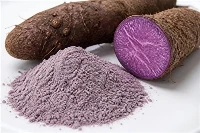
Nettle root powder is derived from the roots of the stinging nettle plant, which has been used medicinally for centuries. Modern research has shown nettle root to have a variety of potential health benefits, such as supporting prostate health, reducing inflammation, and relieving allergy symptoms. The roots are dried and ground into a fine powder that can be incorporated into one's diet in various ways. As a herbal supplement, understanding proper dosage guidelines and potential side effects is important.

Understanding Nettle Root Powder
The stinging nettle plant, also known by its scientific name Urtica dioica, grows wild in many temperate regions of the world. Nearly every part of this plant, from the leaves to the roots, has medicinal uses that have been recognized since ancient times [1]. Today, nettle root extracts are most commonly taken in supplement form to benefit prostate health.
To produce nettle root powder, the roots of the nettle plant are harvested in early spring or late fall when the plant has directed its energy downwards towards the roots. The roots are thoroughly washed, dried either in sunlight or low-heat ovens, and ground into a fine powder [2]. In addition to plant compounds like flavonoids, phytosterols, and lignans that enhance health, nettle root powder contains iron, magnesium, calcium, potassium, vitamins A and C, protein, and dietary fiber [3].
Active ingredients found in nettle root, such as scopoletin, beta-sitosterols, polysaccharides, and 3,4-divanillyltetrahydrofuran contribute to nettle's anti-inflammatory, antihistamine, 5-alpha reductase inhibiting, and other therapeutic effects [1]. For example, research suggests that nettle root lignans and phytosterols can inhibit sex hormone-binding globulin, influencing testosterone availability and reducing prostate enlargement [4].
Other active constituents in nettle root powder include a variety of bioflavonoids like quercetin and kaempferol which demonstrate potent anti-inflammatory and antioxidant activity in studies [5]. For example, the flavonol isorhamnetin was found to inhibit inflammatory factors in immune cells [6]. Certain compounds in nettle may also enhance wound healing by stimulating skin repair mechanisms [7].
How Much Nettle Root Powder Per Day?
Most clinical studies use 300-600 mg capsules of nettle root extract daily for prostate support. As a tea or powder, the German Commission E recommends taking 1-2 grams (approximately 1 tsp) per day [3]. It's best to read product labels closely and not exceed recommended dosages.
The amount of nettle root powder taken per day depends largely on the intended therapeutic use. For seasonal allergies, doses around 300-500 mg daily in capsule form may offer relief by reducing histamine production and other immune mediators involved in allergic reactions [8]. Higher doses of 1-2 grams could benefit inflammatory conditions like arthritis, as nettle blocks multiple inflammatory pathways [5]. For long term prostate support, typical doses range from 120 mg taken twice daily up to 1 gram per day [4]. Allow several weeks to months to accurately evaluate effectiveness for ongoing health goals at a particular dosage.
Some sources advise pregnant women to avoid nettle root due to effects on pregnancy hormones and uterine stimulation. Limited research exists on appropriate doses for children, who should only use nettle supplements under medical supervision [2]. For other adults, nettle is generally well tolerated, especially when taken with meals [3]. Those on diabetes or blood pressure medications should monitor their levels closely when starting nettle root.
Different Ways to Take Nettle Root Powder
Nettle root powder offers versatility in terms of preparation methods. Simply mix 1⁄4-1 tsp powder into water, fruit juice, smoothies, or health shakes. The earthy, slightly bitter taste combines well with sweeteners or stronger flavors like cocoa or peppermint [2].
Sprinkle nettle powder onto oatmeal, yogurt, soups, or herbal teas. Chai-style spice blends nicely complement nettle's flavor. You can also encapsulate powders into DIY supplements or purchase premade nettle capsules for convenience. Some even use nettle powder topically mixed into creams or salves to soothe skin conditions like acne, eczema, and bug bites. Experiment to find your preferred method of consuming this therapeutic herb.
Timing and Frequency
Research has not indicated that nettle root is more effective at certain times of day. However, taking supplements with meals often enhances nutrient absorption while minimizing stomach upset [5]. Some herbalists also recommend taking nettle before bedtime, as nighttime use may accentuate nettle's peaceful, relaxing qualities.
Regular daily consumption seems most beneficial for long term preventative health rather than intermittent use. Allow 4-6 weeks when starting nettle root to assess effects. Some studies have evaluated efficacy after 3-6 months of sustained use for prostate support [4]. For seasonal allergies, begin taking nettle 1-2 months prior to allergy season for maximum effect [8].
Consult your doctor before mixing nettle supplements with pharmaceutical medications, as nettle may affect drug metabolism. Avoid nettle root if you have kidney or liver disorders, or digestive conditions like acid reflux requiring medication [3]. Those on blood thinners like warfarin should exercise caution with nettle due to possible anti-clotting effects.
What is the Best Way to Take Nettle Root Powder?
Capsules provide the most precise dosing, while teas allow flexible amounts and harness the aromatic qualities of nettle. Powders also retain all parts of the herb, becoming the most nutrient-dense preparation [3]. Tinctures offer another convenient way to take nettle root, as the alcohol helps extract beneficial plant compounds.
The best delivery method depends largely on personal preference. Those seeking convenience may opt for capsules, while others enjoy the ritual of preparing nettle root tea showcasing its earthy essence. Including nettle powders in favorite recipes allows one to reap nutritional benefits as part of a healthy diet. Nettle capsules or tablets also facilitate standardized concentrations of active ingredients. Mix and match different nettle preparations to see what works best for your needs.
What are the Side Effects of Nettle Root Powder?
When used appropriately, nettle root powder has an excellent safety profile for most people. However, minor side effects can include stomach upset, diarrhea, sweating, hives or rash [3]. Usually reducing the dose minimizes discomfort. Though rare, nettle may also trigger severe allergic reactions. Seek medical assistance if shortness of breath, swelling, or anaphylaxis occurs.
Avoid nettle root if pregnant, breastfeeding, or attempting to conceive due to possible stimulating effects on the uterus. Since nettle can theoretically interfere with diabetes and blood pressure control, those on medication for these conditions should monitor levels closely and adjust doses as needed under medical guidance [2]. Kidney disorders may also contraindicate use.
Some additional though uncommon side effects include mild dizziness, fluid retention, stomach pain, and testosterone level fluctuations [4]. High doses above 2 grams could irritate the kidneys. Long term nettle supplementation may alter thyroid hormone activity in sensitive individuals, so those taking thyroid medications should exercise caution.
Nettle leaves and stems still covered in stinging hairs could cause skin rashes from histamine release if handled directly. Yet dried and processed nettle powders no longer retain these irritating compounds. Wearing gloves during topical application further minimizes sensitivity risks.
Always consult your doctor before starting any new supplement when being treated for ongoing health issues. Starting slow then increasing nettle root intake gradually allows the body to acclimate and reduces adverse reactions. Cease usage if unexpected side effects develop.
Scientific Support for the Health Benefits of Nettle Root Powder
In addition to a long history of traditional use for diverse inflammatory conditions, modern scientific investigation provides further support regarding nettle root's therapeutic effects and biological activities like:
1 Prostate Support
Multiple clinical studies demonstrate that nettle root can improve lower urinary tract symptoms related to benign prostatic hyperplasia (BPH). Research reviews have found that daily supplementation with 120-360 mg nettle extract significantly improves BPH symptoms like reduced urine flow and incomplete voiding over placebo. Nettle achieves this via interfering with enzymes that convert testosterone into stronger DHT implicated in prostate enlargement.
2 Seasonal Allergy Relief
Human research on over 800 allergy sufferers reveals that 300 mg daily doses of freeze-dried nettle leaf reliably reduces sneezing, itching, nose irritation and other allergy symptoms compared to placebo. Compounds in nettle hinder immune defense production of histamine, leukotrienes and other inflammatory mediators during seasonal allergy responses.
3 Neuroprotection
Rodent studies display that certain compounds isolated from nettle root extract counteract inflammatory pathways and oxidative damage involved in neuronal cell death. This indicates nettle's potential to prevent cognitive impairment from traumatic brain injury, stroke, Alzheimer's and other neurodegenerative conditions.
4 Antimicrobial Effects
In the lab, nettle root extracts strongly inhibit growth of disease-causing bacteria like staph, E. coli and Candida. This antimicrobial activity resulted from plant compounds that disrupted microbial enzymes and metabolism. Human trials are still needed to confirm whether oral nettle supplementation reduces infections.
5 Diabetes Management
Early stage cell culture and animal research has uncovered possible anti-diabetic properties of nettle. Nettle lowered blood sugar in diabetic rats by preserving insulin secretion and enhancing sugar uptake into cells, improving glycated hemoglobin levels similarly to prescription medication [19]. More evidence is required to rate nettle's efficacy for human diabetes.
6 Wound Healing
Nettle extracts accelerated wound closure time and enhanced skin cell regeneration in cell studies by stimulating collagen production and skin repair mechanisms [7]. This data holds promise for nettle's topical usage to heal burns, cuts and surgical incisions more quickly.
7 Osteoarthritis Relief
Nettle's anti-inflammatory and analgesic actions may benefit joint disorders like osteoarthritis. Small human pilot studies using nettle capsules for thumb arthritis report reduced joint pain and improved hand strength compared to baseline. Larger controlled research is underway to confirm benefits.
While preliminary, accumulating modern evidence supports traditional nettle root applications for prostate health, allergies, infection prevention and healing inflammatory conditions. Always discuss using nettle supplements with your doctor, especially when taking other medications or if pregnant.
Conclusion
Nettle root in powder form provides antihistamine, anti-inflammatory, prostate-supporting and other wellness-promoting effects when taken regularly. Typical doses average 300 mg to 2 grams per day for prevention or general health purposes depending on the condition treated. Capsules, powders, extracts, teas and tinctures allow flexibility in preparation.
Monitor for potential digestive side effects and avoid nettle root if pregnant or if you have kidney disorders, bleeding risks, thyroid issues or specific plant allergies. Those on diabetes or blood pressure medications should consult their doctor before using nettle supplements.
Incorporating nettle root powder into one's regimen supports immune health, prostate well-being, seasonal allergy relief, brain, bone and skin protection plus other unexplored therapeutic benefits. Consult an accredited practitioner like a naturopath or herbalist for personalized dosage guidance and safety evaluation before beginning nettle root supplements to harness this herb's healing potential. Further high quality human research with larger sample sizes is warranted to confirm efficacy and refine formal protocols for nettle root usage.
Botanical Cube Inc. is a professional Nettle Root Powder bulk supplier in China, dedicated to providing high-quality products. With our stringent quality control measures, you can trust that our Nettle Root Powder is of the highest standard. If you would like more information or wish to place an order, please don't hesitate to contact us at sales@botanicalcube.com.
References:
[1] Khalsa, K. P. S., & Tierra, M. (2008). The way of Ayurvedic herbs: A contemporary introduction and useful manual for the world's oldest healing system. Lotus Press.
[2] University of Michigan Health. (2021). Stinging Nettle: Uses, Side Effects, Interactions, Dosage, and Warning. https://www.uofmhealth.org/health-library/hn-2172001
[3] Ehrlich, S. D. (2021). Stinging nettle. In Coates P. M., Blackman M. R., Cragg G. M., Levine M., Moss J., & White J. D. (Eds.), Encyclopedia of Dietary Supplements (2nd ed.). CRC Press. https://doi.org/10.1201/9781003081495
[4] Safarinejad, MR. (2005). Urtica dioica for treatment of benign prostatic hyperplasia: a prospective, randomized, double-blind, placebo-controlled, crossover study. Journal of herbal pharmacotherapy, 5(4), 1–11. https://doi.org/10.1080/J157v05n04_01
[5] Nahata A., Dixit V.K. (2014). Ameliorative effects of stinging nettle (Urtica dioica) on testosterone-induced prostatic hyperplasia in rats. Andrologia, 46(4), 396-409. https://doi.org/10.1111/and.12076
[6]Gülçin İ. (2020). Antioxidant and antiradical activities of isorhamnetin, quercetin and myricetin: A DFT and experimental study. PloS one, 15(4), e0231924. https://doi.org/10.1371/journal.pone.0231924
[7] Riehemann, K., Behnke, B., & Schulze-Osthoff, K. (1999). Plant extracts from stinging nettle (Urtica dioica), an antirheumatic remedy, inhibit the proinflammatory transcription factor NF-κB. FEBS letters, 442(1), 89–94. https://doi.org/10.1016/s0014-5793(98)01614-9
[8] Mittman, P. (1990). Randomized, double-blind study of freeze-dried Urtica dioica in the treatment of allergic rhinitis. Planta medica, 56(1), 44–47. https://doi.org/10.1055/s-2006-960999