




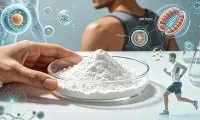
Ginger is a flowering plant that originated in Southeast Asia and has long been used as a versatile culinary ingredient and herbal remedy. The rhizome or root of the ginger plant can be dried and ground into a fine, aromatic powder that provides an easy way to add ginger's distinct flavor and potential health benefits to foods, beverages, and other applications. In this blog post, we will explore everything you need to know about ginger powder, from how it is produced to the many ways it can be used in the kitchen and beyond.
Overview of Ginger Powder
Ginger powder is made by first peeling fresh ginger root, then slicing and drying it until completely dehydrated. The dried ginger slices are then ground into a fine, light beige powder. Ginger extract has an intensely spicy, warm, and slightly sweet flavor that adds instant aromatic complexity to both sweet and savory dishes. It provides a more concentrated and intense ginger taste than fresh ginger root. Just a sprinkle can provide big flavor.
In addition to its culinary uses, ginger powder contains a number of potentially beneficial plant compounds. Research indicates that ginger may have anti-inflammatory, antioxidant, and antimicrobial properties (1). It is a good source of compounds like gingerol, shogaol, zingerone, and paradol, which are considered its main bioactive components (2). Due to this nutritional profile, ginger powder is sometimes used in herbal medicine or taken as a supplement.

Culinary Uses of Ginger Powder
Incorporating Ginger Powder in Cooking
Ginger root extract powder is versatile spice that can add flavor to both sweet and savory recipes. Its warming, peppery taste enhances many Asian, Indian, African, and Middle Eastern dishes. Ginger powder works well in curries, stir fries, marinades, rubs, and sauces. It can also amplify chili, soups, and stews.
For savory recipes, start with 1⁄4 to 1⁄2 teaspoon of ginger powder for 4 servings. Mix the powder into curry pastes, dry rubs, or wet marinades and sauces for the most flavor infusion. Ginger pairs particularly well with chicken, fish, shrimp, tofu, lamb, and vegetables like broccoli, green beans, carrots, and cabbage. Some simple recipes to try are ginger chicken stir fry, ginger salmon, or ginger tofu vegetables.
Baking with Ginger Powder
Ginger powder is commonly used in baking, where it provides a warm, subtly spicy flavor. It is especially popular in desserts and baked goods like gingerbread, pumpkin pie, cookies, cakes, and more. Replace 1 teaspoon of fresh grated ginger with 1⁄4 teaspoon of ginger powder in baked good recipes.
Some amount of ginger powder can complement both the flavors and chemical leaveners in baked goods. Ginger complements baking spice flavors like cinnamon, nutmeg, cloves, and allspice. It is particularly tasty in gingerbread cookies, ginger cupcakes with lemon frosting, gingersnaps, molasses crinkles, and pumpkin or apple pie. Around 1-2 teaspoons of ginger powder per batched recipe is usually plenty to add noticeable flavor.
Adding Ginger Powder to Beverages
Ginger powder can also be whisked or stirred into many hot and cold beverages. Add it to hot coffee or tea for an invigorating, spicy aroma. Chai tea latte is complemented by the addition of ginger powder too. For smoothies and juices, 1⁄4 to 1⁄2 teaspoon of ginger powder is enough to provide a bite of flavor. It pairs well with fruits like apple, pear, orange, pineapple, and lemon.
To make a ginger-infused cocktail, rim a glass with ginger powder and lime juice before filling it with your drink of choice. Ginger powder is also sometimes used to make ginger ale or ginger beer, though fresh ginger root is often preferred for brewing these beverages. Always start with a small amount of ginger powder and adjust to taste preferences when adding it to drinks.
What is the Healthiest Way to Consume Ginger?
When it comes to reaping the potential digestive and anti-inflammatory benefits of ginger, the healthiest way to consume it is in its fresh root form. Fresh ginger root contains the highest level of gingerol, the main bioactive compound. However, for the antioxidant benefits, dried and ground ginger is also effective. Consuming ginger in moderation in both fresh and dried powder form can provide health benefits (3).
Medicinal Applications of Ginger Powder
Digestive Health Benefits
Ginger powder is traditionally used to help treat digestive problems like nausea, upset stomach, gas, bloating, and constipation. The phenolic components like gingerols and shogaols provide anti-nausea and pain relief properties that make ginger helpful for motion sickness, morning sickness, and general stomach discomfort (4).
Ginger powder can be consumed in doses of 250-500 mg per day to relieve nausea or vomiting. Adding ginger powder to teas, juices, and smoothies is an easy way to help settle the stomach. For constipation relief, take ginger powder supplements or drink ginger tea. Always check with your doctor before using ginger powder supplements.
Anti-inflammatory and Immune System Support
Some research indicates that ginger's antioxidant, anti-inflammatory compounds like gingerol may help relieve joint and muscle pain associated with arthritis or injury. Ginger may suppress the production of inflammatory proteins linked to chronic inflammation (5).
Regularly consuming ginger extract in small amounts may help reduce inflammation in the body and support the immune system. Gingerol has demonstrated antimicrobial effects that may have immune boosting abilities. More research is still needed, but ginger shows promise as a supportive supplement for immune health.
Other Health Benefits
Other potential benefits of ginger root extract powder include lowering blood sugar levels, reducing cholesterol, and supporting cardiovascular health. Gingerol demonstrates antidiabetic effects by improving insulin sensitivity and lowering blood glucose (6). Ginger may also inhibit enzymes involved in high cholesterol (7).
Ongoing studies analyzing these potential therapeutic effects of ginger powder require more research before definitive claims can be made. Many believe that ginger powder promotes healthy digestion, circulation, immunity, and overall wellbeing when consumed regularly as part of a healthy lifestyle. Always check with your doctor before using ginger supplements for any health condition. Moderation is key, as high doses of ginger powder may cause minor side effects like heartburn, diarrhea, and mouth irritation in some individuals.
Is Drinking Ginger Powder Good For You?
Consuming a moderate amount of ginger powder can provide health benefits thanks to its bioactive compounds that act as antioxidants and anti-inflammatories. Drinking ginger powder in tea, juice, or smoothies is safe and potentially beneficial for digestive health, nausea relief, anti-inflammatory effects, and immune support.
Around 2 grams (1/2 teaspoon) of ginger powder per day taken with food or drink is considered an appropriate dietary dosage for health promotion (8). Higher doses of 5-10 grams may be used for therapeutic purposes, but check with your doctor for guidance. Drinking 1-3 cups per day of ginger tea, with 1/4-1/2 tsp powder in each, is a safe and healthy way to incorporate it.
How Much Powdered Ginger Should I Take Daily?
For general health promotion, consuming around 500-1000mg (1/4-1/2 teaspoon) of ginger powder per day is effective for harnessing its protective compounds and properties. Therapeutic doses for nausea relief are commonly 1000-2000mg taken in divided doses throughout the day. For anti-inflammatory arthritis benefits, a high dose around 2000-4000mg per day may be optimal according to some research (9).
Always start low with around 500mg daily to assess your tolerance, especially if taking ginger powder capsules or extracts. Then, this dose can be increased slowly up to 4000mg at the high end if using ginger root extract powder therapeutically. Check with your healthcare provider to determine the appropriate supplemental dose for your needs. Moderation is key to prevent unwanted side effects.
Ginger powder provides an easy and convenient way to incorporate the potential perks of ginger into your diet and lifestyle. With its warm, spicy-sweet flavor and nutrient profile, ginger powder deserves a spot in every spice cabinet for both cooking and health promotion. This versatile powder can help spice up recipes, liven up drinks, and provide protective compounds when consumed in moderation.
Conclusion:
Ginger powder is a versatile spice that offers both culinary flavor and potential health benefits. With its intense, spicy taste and aromatic complexity, ginger extract can be used in a variety of sweet and savory dishes. From curries and stir-fries to baked goods and beverages, ginger powder adds a distinct warmth and depth of flavor.
While ginger powder is a convenient option, consuming fresh ginger root provides the highest level of its bioactive compound, gingerol. However, dried and ground ginger powder still offers antioxidant benefits and can be effective in relieving digestive issues and providing anti-inflammatory support.
Incorporating ginger powder into your diet in moderation can provide potential health benefits, such as aiding digestion, reducing inflammation, and supporting the immune system. However, it's important to consult with a healthcare professional before using ginger powder as a supplement, especially if you have any underlying medical conditions or are taking medications.
Botanical Cube Inc., as a China Ginger Root Extract Powder supplier in the plant extract industry, offers high-quality Ginger Extract. Feel free to contact us at sales@botanicalcube.com or visit our website to learn more about our products and how they can support your health and wellness journey.
References:
1. Prasad S, Tyagi AK. Ginger and its constituents: role in prevention and treatment of gastrointestinal cancer. Gastroenterol Res Pract. 2015;2015:142979.
2. Ali BH, Blunden G, Tanira MO, Nemmar A. Some phytochemical, pharmacological and toxicological properties of ginger (Zingiber officinale Roscoe): A review of recent research. Food Chem Toxicol. 2008;46(2):409-20.
3. Mashhadi NS, Ghiasvand R, Askari G, et al. Influence of ginger and cinnamon intake on inflammation and muscle soreness endued by exercise in Iranian female athletes. Int J Prev Med. 2013;4(Suppl 1):S11-5.
4. Marx W, McKavanagh D, McCarthy AL, et al. The Effect of Ginger (Zingiber officinale) on Platelet Aggregation: A Systematic Literature Review. PLoS One. 2015;10(10):e0141119. Published 2015 Oct 21.
5. Funk JL, Frye JB, Oyarzo JN, et al. Efficacy and mechanism of action of turmeric supplements in the treatment of chronic inflammation and arthritis. Arthritis Res Ther. 2010;12(4):R157.
6. Li Y, Tran VH, Duke CC, Roufogalis BD. Preventive and Protective Properties of Zingiber officinale (Ginger) in Diabetes Mellitus, Diabetic Complications, and Associated Lipid and Other Metabolic Disorders: A Brief Review. Evid Based Complement Alternat Med. 2012;2012:516870.
7. Fuhrman B, Rosenblat M, Hayek T, et al. Ginger extract consumption reduces plasma cholesterol, inhibits LDL oxidation and attenuates development of atherosclerosis in atherosclerotic, apolipoprotein E-deficient mice. J Nutr. 2000;130(5):1124-31.
8. University of Michigan Health Library. Ginger. Updated November 18, 2019. https://www.uofmhealth.org/health-library/uce6254abc
9. Terry R, Posadzki P, Watson LK, Ernst E. The use of ginger (Zingiber officinale) for the treatment of pain: A systematic review of clinical trials. Pain Med. 2011;12(12):1808-18.