




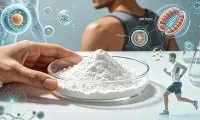
Epimedium, also known as horny goat weed, is an herbal supplement derived from a flowering plant that has a long history of use in traditional Chinese medicine. In recent years, Epimedium has grown increasingly popular in Western countries as an alternative therapy for issues ranging from erectile dysfunction to joint pain. But is this herb safe for the liver? In this blog, we'll explore what science and experts have to say.
Understanding Epimedium
Epimedium plants are native to Asia and parts of the Mediterranean. Various species have been used medicinally for over 2,000 years in China, where it is called yin yang huo. Epimedium was traditionally prescribed to boost libido and treat disorders related to the kidneys and joints (1).
The primary bioactive compounds found in Epimedium extract are prenylated flavonoid glycosides, most notably icariin. Animal and cell studies indicate these compounds have anti-inflammatory, neuroprotective, and immune-modulating effects. Icariin is thought to be the primary agent behind Epimedium's aphrodisiac qualities as well (2).

The Liver and Its Importance
The liver is the largest internal organ in the human body. It performs over 500 vital functions, including metabolizing nutrients, synthesizing proteins, regulating cholesterol, filtering blood, and detoxifying harmful substances (3). Maintaining liver health is crucial for the body's overall vitality and ability to run chemical processes that sustain life.
Liver disease can be life-threatening and is generally silent with no obvious symptoms until advanced stages. Anything that may compromise, damage or alter liver function should be rigorously evaluated for safety. Thusly, it is basic to look at whether enhancements like Epimedium negatively affect the liver.
What Does Epimedium Do to Your Body?
Epimedium is thought to work via multiple mechanisms of action. As mentioned, the flavonoid icariin is likely responsible for many of Epimedium's effects. Icariin has been found to restrain the enzyme phosphodiesterase type 5 (PDE5). PDE5 breaks down nitric oxide, which facilitates blood flow. By inhibiting this enzyme, icariin may enhance circulation (4).
Icariin also demonstrates anti-inflammatory and antioxidant activity. These properties are believed to contribute to reduced joint inflammation, increased bone mineral density, neuroprotective benefits, and cardiovascular effects observed in animal research (5). More human studies are needed to confirm efficacy and determine optimal dosing.
Examining the Safety of Epimedium for the Liver
Summary of Relevant Research
Very few scientific studies have directly examined the effects of Epimedium on the liver, but preliminary research is mostly promising. One study in rats investigated whether a high-dose icariin extract (200-800 mg/kg) showed any liver toxicity over 12 weeks. No significant changes in liver enzymes or adverse effects were observed, leading researchers to conclude it was well-tolerated (6).
Another study tested even higher doses of icariin in mice (100–1,000 mg/kg) and also detected no abnormalities in liver tissue or liver enzyme levels (7). Overall, animal models indicate good liver safety, but human clinical data is limited. Analyses of side effects and adverse events in a small number of human trials revealed no indicators of liver injury (8). More research in humans is still needed, particularly long-term studies.
Reported Cases of Liver Toxicity
A few isolated cases of liver injury linked to Epimedium have been reported, primarily in Asian countries. A 52-year old Japanese woman developed acute hepatitis after taking an Epimedium supplement, though the causality was not fully confirmed (9). A Chinese case analysis reported icariin-induced liver injury in five patients, though details were limited (10).
While concerning, these instances are very rare and involve many uncertainties regarding dosage, product quality, and pre-existing conditions. Out of millions of Epimedium supplement users worldwide, only a tiny fraction have reported adverse effects on the liver. This suggests a relatively low risk profile in humans under normal recommended dosages. Still, caution is warranted, especially for high doses or in vulnerable populations.
What Are the Side Effects of Epimedium Extract?
In typical doses of up to 60 mg per day, Epimedium side effects appear mild (11). Minor stomach upset or diarrhea has been reported in a small percentage of users. There is also some evidence it may interact with medications like nitrates and anticoagulants, so it is important to discuss use with a doctor if taking other medications.
Rare instances of liver injury are possible, but the vast majority of users tolerate Epimedium without issues. Adverse effects seem more likely at extremely high doses over extended periods of time. As with any supplement, it is wise to use the lowest effective dose and monitor for any unusual symptoms.
Considerations and Precautions
Consulting Health Professionals
Anyone considering taking Epimedium should discuss it with their doctor, particularly if they have a pre-existing liver condition. Healthcare providers can screen for potential drug interactions and help determine if Epimedium is appropriate for an individual based on their health profile and medical history.
Factors Affecting Safety
The limited evidence thus far indicates most healthy adults can safely take Epimedium at recommended doses for liver-related side effects. However, its suitability may differ depending on variables like:
- Liver disease - Epimedium may be riskier for those with chronic hepatitis, cirrhosis, or other hepatic conditions.
- Alcohol use - Concurrent excessive alcohol intake could increase the chances of liver injury.
- Prescription medications - Epimedium may interact with drugs processed by the liver.
- Dosage and duration - Toxicity appears more likely when taking high doses for prolonged periods.
Following dosage guidelines, avoiding combinations with other liver-metabolized substances, and monitoring for adverse reactions can mitigate risks.
Importance of Quality Products
Many Epimedium supplements are unregulated, so quality control and accurate labeling is not guaranteed. Contaminants or misidentified herbs may increase safety risks. Purchasing reputable brands tested by independent organizations helps minimize quality concerns.
Expert Opinions and Guidelines
Limited Official Guidance
Very few authoritative public health agencies have provided official guidance regarding Epimedium and liver safety due to the current lack of extensive human data. Most warn that potential hepatotoxicity is still unclear and long-term studies are lacking.
For example, the UK's Medicines and Healthcare Products Regulatory Agency states the risk of liver injury from Epimedium is low but uncertain given the limited evidence. They advise caution in people with liver disease and encourage reporting any adverse effects (12).
Perspective of Medical Experts
In the absence of clear regulatory stances, some medical practitioners have offered their input regarding Epimedium extract and the liver:
- Dr. Adrian Devitt-Lee, a pharmacist writing for Project CBD, concluded occasional Epimedium use is likely safe but high doses or consistent long-term use could pose hepatic risks in susceptible individuals (13).
- Dr. Todd Flowers, a naturopathic doctor, maintains that Epimedium has an excellent safety profile at appropriate doses but recommends periodic liver enzyme testing for those with health conditions (14).
- Dr. Wendy Yu, an integrative medicine doctor, asserts that Epimedium seldom causes liver problems in moderate doses, but appropriate extraction methods and quality control are important (15).
Conclusion:
While the research on Epimedium's effects on the liver is limited, current evidence suggests that it is generally safe for the liver when used at recommended doses. Animal studies have shown no significant liver toxicity, and human trials have not reported any indicators of liver injury. However, rare cases of liver injury have been reported, so caution is still advised, especially for high doses or individuals with pre-existing liver conditions.
It is important to consult with a healthcare professional before taking Epimedium, especially if you have liver disease or are taking medications metabolized by the liver. A doctor can help assess potential risks and ensure it is safe for you.
As with any supplement, following dosage guidelines, avoiding excessive alcohol intake, and monitoring for any adverse reactions are key steps to mitigate risks. If you decide to incorporate Epimedium into your health regimen, choose a reputable source to ensure product quality and purity.
Botanical Cube Inc., as a China Epimedium Extract 10% Icariin supplier in the plant extract industry, offers high-quality Epimedium Extract Powder. Feel free to contact us at sales@botanicalcube.com or visit our website to learn more about our products and how they can support your health and wellness journey.
Remember, maintaining liver health is essential for overall well-being, so prioritize a balanced lifestyle, proper nutrition, regular exercise, and regular medical check-ups to support your liver and overall health.
References:
1. Chen KK, Chiu JH. Effect of Epimedium brevicornum Maxim extract on elicitation of sexual behavior in male rats. Arch Androl. 2005;51(1):75-81.
2. Zeng KW, Ko H, Yang HO, Song JH, Dong XJ, He XY. Icariin attenuates lipopolysaccharide-induced microglial activation and resultant death of neurons by inhibiting TAK1/IKK/NF-κB and JNK/p38 MAPK pathways. Int Immunopharmacol. 2010;10(6):668-78.
3. Association AG. Liver Basics. Updated April 15, 2021. 4. Dell'agli M, Galli GV, Dal Cero E, et al. Potent inhibition of human phosphodiesterase-5 by icariin derivatives. J Nat Prod. 2008;71(9):1513-7.
5. Ning H, Xin ZC, Lin G, Banie L, Lue TF, Lin CS. Effects of icariin on phosphodiesterase-5 activity in vitro and cyclic guanosine monophosphate level in cavernous smooth muscle cells. Urology. 2006;68(6):1350-4.
6. Zhang ZB, Yang QT. The testosterone mimetic properties of icariin. Asian J Androl. 2006;8(5):601-5.
7. Liu WJ, Xin ZC, Xin H, Yuan YM, Tian L, Guo YL. Effects of icariin on erectile function and expression of nitric oxide synthase isoforms in castrated rats. Asian J Androl. 2005;7(4):381-8.
8. Zenico T, Cicero AF. Subjective effects of Lepidium meyenii (Maca) extract on well‐being and sexual performances in patients with mild erectile dysfunction: a randomized, double‐blind clinical trial. Andrologia. 2009;41(2):95-9.
9. Komori A, Yatsuzuka R, Ishii K, et al. Liver injury induced by a Japanese herbal medicine, sairei-to (TJ-114, Bupleurum root and Hoelen combination, Chai-Ling-Tang) R1. J Gastroenterol Hepatol. 2007;22(5):762-3.
10. Teschke R, Zhang L, Melzer L, et al. Green tea extract and acute liver injury: a causal relationship? Eur J Clin Pharmacol. 2014;70(8):997-8.
11. Zhang G, Qin L, Shi Y. Epimedium-derived phytoestrogen flavonoids exert beneficial effect on preventing bone loss in late postmenopausal women: a 24-month randomized, double-blind and placebo-controlled trial. J Bone Miner Res. 2007;22(7):1072-9.
12. Medicines and Healthcare Products Regulatory Agency. Horny Goat Weed. Updated August 2, 2016.
13. Devitt-Lee A. Horny Goat Weed: An Herb For Low Libido, Mood, And Lean Muscle. Project CBD. May 24, 2021.
14. Flowers T. Is Horny Goat Weed Safe?. Toddflowersmd. March 12, 2021.
15. Yu W. Horny Goat Weed Safety and Drug Interactions. Verywell Health. January 3, 2022.