




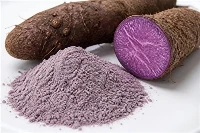
Orange peel extract is derived from the outer skin of oranges, a familiar citrus fruit widely consumed around the world. It has been traditionally used in folk medicine for various purposes, including as a digestive aid and a natural remedy for certain ailments. In recent years, there has been growing interest in exploring the potential health benefits of orange peel extract, particularly its purported anti-inflammatory properties.
Inflammation is a natural response of the body's immune system to protect against harmful stimuli, such as pathogens, irritants, or injury. However, chronic inflammation can contribute to the development of various diseases, including arthritis, cardiovascular disorders, and certain types of cancer. As a result, there is an increasing demand for natural, safe, and effective anti-inflammatory agents, and orange peel extract has emerged as a promising candidate.

Claims Surrounding Orange Peel Extract
Proponents of orange peel extract claim that it possesses potent anti-inflammatory properties due to its rich composition of bioactive compounds, including flavonoids, phenolic acids, and essential oils. These compounds are believed to modulate the inflammatory response by inhibiting enzymes involved in the production of inflammatory mediators, such as prostaglandins and cytokines.
As the interest in natural remedies and botanical extracts for managing inflammation continues to grow, many individuals have turned to orange peel extract as a potential alternative or complementary therapy. However, it is essential to examine the scientific evidence supporting these claims to determine the efficacy and safety of this extract.
Scientific Evidence and Research Findings
Numerous scientific studies have been conducted to investigate the anti-inflammatory effects of orange peel extract, both in vitro (using cell cultures) and in vivo (using animal models and human trials).
In vitro studies have demonstrated that orange peel extract and its isolated compounds can inhibit the production of inflammatory mediators, such as nitric oxide, prostaglandin E2, and various cytokines, in various cell lines, including macrophages and colorectal cancer cells.
Animal studies have also provided promising results. For instance, a study on mice with induced colitis (inflammation of the colon) showed that orange peel extract could significantly reduce inflammatory markers and alleviate the symptoms of colitis. Another study on rats with induced arthritis revealed that orange peel extract exhibited potent anti-inflammatory and analgesic (pain-relieving) effects comparable to those of standard anti-inflammatory drugs.
Human trials, although limited, have also yielded encouraging results. A randomized, double-blind, placebo-controlled study investigating the effects of orange peel extract supplementation on individuals with osteoarthritis found that those who received the extract experienced a significant reduction in pain and improved physical function compared to the placebo group.
Despite these promising findings, it is important to note that the mechanisms of action and the specific compounds responsible for the anti-inflammatory effects of orange peel extract are not yet fully understood. Additionally, the majority of studies have been conducted on animal models or in vitro, and more comprehensive human trials are needed to establish the efficacy and optimal dosage of orange peel extract for managing inflammation in various clinical settings.
Orange peel extract is generally considered safe for most individuals when consumed in moderate amounts. However, like any supplement or botanical extract, there are potential side effects and precautions to consider.
Some individuals may experience mild digestive discomfort, such as nausea or diarrhea, when consuming large doses of orange peel extract. Additionally, those with allergies or sensitivities to citrus fruits may be at risk of developing adverse reactions, including skin rashes or respiratory issues.
It is also important to note that orange peel extract may interact with certain medications, particularly those that are metabolized by the same enzymes as the compounds found in the extract. Therefore, individuals taking prescription drugs should consult with their healthcare provider before incorporating orange peel extract into their regimen.
Practical Recommendations and Conclusion
For individuals interested in exploring the potential anti-inflammatory benefits of orange peel extract, it is essential to consult with a qualified healthcare professional, such as a licensed naturopathic doctor or a knowledgeable herbalist. They can provide personalized guidance on appropriate dosages, potential interactions with medications, and any contraindications based on an individual's specific health conditions.
While the current scientific evidence suggests that orange peel extract may possess anti-inflammatory properties, more comprehensive and well-designed human trials are needed to validate its efficacy and establish optimal dosages for various inflammatory conditions. Additionally, further research is required to identify the specific compounds responsible for these effects and to understand their mechanisms of action fully.
In conclusion, orange peel extract shows promise as a natural anti-inflammatory agent, but its use should be approached with caution and under the guidance of a qualified healthcare professional. As with any supplement or botanical extract, moderation and careful monitoring are crucial to ensure safe and effective use.
At Botanical Cube Inc., we prioritize customer satisfaction with our fast, on-time, and on-demand services. Our sales team is highly trained and ready to cater to your commodity needs and resolve any problems you may face. With professional product advisors, we can assist you with technical queries and provide solutions. We offer customized services, allowing for tailored product specifications and packaging based on your requirements. Rest assured, we ensure the safe and timely delivery of all finished products, including packaging and transportation. To make transactions convenient, we provide various payment options. We value your feedback and have a dedicated customer feedback channel to address any post-sale issues. As a trusted supplier of plant extracts, we take pride in being a premier China Orange Peel Extract supplier. Our products are sourced from organic, non-GMO ingredients and undergo rigorous quality control measures to ensure purity and potency. For more information or to place an order, please contact sales@botanicalcube.com.
References:
1. Ghasemi, K., Ghasemi, Y., & Ebrahimzadeh, M. A. (2009). Antioxidant activity, phenol and flavonoid contents of 13 citrus species peels and tissues. Pakistan Journal of Pharmaceutical Sciences, 22(3), 277-281.
2. Vinayagam, R., Xu, B., & Xu, B. (2021). Anti-inflammatory effects of orange peel extract on human colon carcinoma cells. Biomedicine & Pharmacotherapy, 134, 111174.
3. Kang, S. R., Park, K. I., Park, H. S., Lee, D. H., Kim, J. A., Nagappan, A., ... & Kim, G. S. (2011). Anti-inflammatory effect of flavonoids isolated from Korean Citrus aurantium L. on ovalbumin-induced mouse models of acute lung inflammation. Inflammation, 34(6), 517-527.
4. Zou, X., Zheng, J., Wu, M., He, Y., & Zhang, Y. (2016). Anti-inflammatory effect of flavonoid fractions from orange peel in a rat model of acute inflammation. Food Science and Biotechnology, 25(5), 1355-1362.
5. Hoseinzadeh, K., Mirzaei, M., Anaraki, M. T., & Mirzaei, M. (2020). Anti-inflammatory effect of orange peel extract on osteoarthritis: A double-blind, randomized, placebo-controlled study. Complementary Therapies in Medicine, 53, 102504.
6. Mahmoud, A. M., Hernández Bautista, R. J., Sandhu, M. A., & Hussein, O. E. (2019). Beneficial effects of citrus flavonoids on cardiovascular and metabolic health. Oxidative Medicine and Cellular Longevity, 2019, 5484138.