




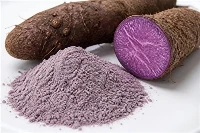
Fenugreek, a versatile plant with a long history of traditional medicinal use, has gained increasing popularity in the health and wellness industry. Its extract, derived from the seeds of the Trigonella foenum-graecum plant, has emerged as a promising natural remedy with a wide range of potential benefits. From improving digestion to supporting athletic performance, the applications of fenugreek extract are vast and intriguing. In this comprehensive blog post, we will delve into the science behind this remarkable botanical compound and explore its multifaceted uses.

What is Fenugreek Extract?
Fenugreek extract is a concentrated form of the bioactive compounds found in the seeds of the fenugreek plant. This annual herb, native to the Mediterranean region and parts of Asia, has been used for centuries in traditional medicine to address a variety of health concerns. The extract is primarily composed of saponins, flavonoids, and alkaloids, which collectively contribute to its diverse therapeutic properties.
The saponins in fenugreek extract, such as diosgenin and yamogenin, have been extensively studied for their potential to modulate hormonal activity and regulate blood sugar levels [1,2]. The flavonoids, including apigenin and luteolin, possess antioxidant and anti-inflammatory properties that may support overall health and wellness [3]. Additionally, the alkaloids, including trigonelline and choline, have been linked to improved cognitive function and cholesterol management [4,5].
Health Benefits and Medicinal Uses
The versatility of fenugreek extract is reflected in its wide-ranging health benefits and medicinal applications. One of the well-documented uses of fenugreek extract is its ability to promote healthy digestion. The saponins in the extract have been shown to stimulate the production of digestive enzymes, thereby enhancing the body's ability to break down and absorb nutrients [6]. This effect may be particularly beneficial for individuals struggling with digestive issues such as bloating, constipation, or irritable bowel syndrome.
Fenugreek extract has also garnered attention for its potential to regulate blood sugar levels. Studies have suggested that the bioactive compounds in the extract may possess insulin-like properties, helping to improve glucose metabolism and potentially supporting the management of type 2 diabetes [7,8]. Additionally, the extract has been linked to a reduction in cholesterol levels, potentially contributing to a healthier cardiovascular profile [9].
Enhancing Athletic Performance and Muscle Growth
The potential of fenugreek extract to enhance athletic performance and support muscle growth has been a topic of growing interest. Research suggests that the extract may positively influence testosterone levels, a crucial hormone for muscle development and strength [10,11]. By supporting the body's natural testosterone production, fenugreek extract may help athletes and fitness enthusiasts achieve their goals of improved strength, endurance, and muscle mass.
Furthermore, the anti-inflammatory properties of fenugreek extract may aid in post-exercise recovery, potentially reducing muscle soreness and facilitating faster muscle repair and growth [12,13].
Breastfeeding Support and Lactation
Fenugreek extract has long been used in traditional medicine to support breastfeeding and lactation. The extract is believed to possess galactagogue properties, meaning it can stimulate and increase milk production in nursing mothers [14,15]. This effect is thought to be attributed to the extract's influence on hormonal balance, particularly its ability to enhance prolactin levels, a key hormone involved in milk production.
By supporting breastfeeding and lactation, fenugreek extract may help nursing mothers maintain a sufficient milk supply and provide their infants with the necessary nourishment.
Hair Care and Scalp Health
The benefits of fenugreek extract extend beyond internal health, as it has also been explored for its potential in hair care and scalp health. The extract's moisturizing properties and rich content of proteins, vitamins, and minerals may contribute to stronger, healthier hair [16,17]. Additionally, the antioxidant and anti-inflammatory properties of fenugreek extract have been hypothesized to support scalp health, potentially reducing hair loss and promoting hair growth.
Skincare and Cosmetics
Fenugreek extract has also found applications in the realm of skincare and cosmetics. The extract's anti-inflammatory and antioxidant properties make it a valuable ingredient in various skin care formulations, including creams, lotions, and masks [18,19]. These properties may help to soothe irritation, reduce the appearance of blemishes, and promote a more youthful, radiant complexion.
Furthermore, the moisturizing abilities of fenugreek extract may benefit dry or dehydrated skin, providing a natural solution for maintaining skin health and hydration.
Culinary Uses and Flavor Profile
Beyond its medicinal and wellness applications, fenugreek extract has a long history of culinary use. The extract, or the whole fenugreek seeds, are commonly used as a spice in various cuisines, particularly in Indian, Middle Eastern, and Mediterranean dishes. The distinct aroma and flavor profile of fenugreek, often described as a combination of maple, nutty, and slightly bitter notes, can enhance the taste and depth of savory dishes.
Formulation Considerations and Product Applications
When it comes to incorporating fenugreek powder into various products, formulators must consider several factors to ensure optimal efficacy and safety. The concentration of the bioactive compounds, such as saponins and flavonoids, is crucial in determining the potency and effectiveness of the extract [20]. Additionally, the extraction method and the quality of the source material can influence the final product's composition and performance.
Fenugreek extract is commonly found in dietary supplements, hair care products, and skincare formulations, catering to the diverse needs of consumers seeking natural solutions for their health and wellness goals.
Regulatory Status and Market Availability
The regulatory status of fenugreek extract varies across different regions and countries. In the United States, fenugreek extract is generally recognized as safe (GRAS) by the Food and Drug Administration (FDA) and is widely available as a dietary supplement [21]. In the European Union, fenugreek extract is approved for use in food and dietary supplements, subject to specific regulations and guidelines [22].
The market for fenugreek extract-based products has been steadily growing, driven by consumer demand for natural and plant-based solutions. As awareness of the extract's potential benefits continues to rise, the availability of high-quality fenugreek extract products in various healthcare, personal care, and food categories is expected to increase.
Clinical Evidence and Research Studies
The scientific community has undertaken extensive research to explore the efficacy and safety of fenugreek extract across various health and wellness applications. Clinical studies have provided valuable insights into the potential benefits of the extract.
For instance, a randomized, double-blind, placebo-controlled study found that fenugreek extract supplementation was effective in reducing fasting blood glucose levels and improving glycemic control in individuals with type 2 diabetes [23]. Another study reported that fenugreek extract supplementation was associated with increased muscle mass and strength in resistance-trained men [24].
Additionally, research has investigated the extract's potential to support breastfeeding and lactation, with several studies suggesting a positive impact on milk production and flow [25,26].
Future Directions and Innovations
As the interest in natural and plant-based solutions continues to grow, the future prospects for fenugreek extract are promising. Ongoing research and development efforts are expected to explore new applications and formulations that can further harness the versatile properties of this botanical compound.
Innovations in extraction techniques, such as the use of advanced technologies like supercritical fluid extraction, may yield more potent and standardized fenugreek extracts with enhanced bioavailability and targeted therapeutic effects [27]. Additionally, the integration of fenugreek extract into cutting-edge delivery systems, such as liposomes or nanoparticles, could enhance its efficacy and absorption in the body.
Conclusion
Fenugreek extract, with its rich history and diverse health benefits, has emerged as a valuable natural remedy in the modern era. From promoting digestive health and regulating blood sugar levels to enhancing athletic performance and supporting breastfeeding, this botanical compound has demonstrated its versatility across various industries.
As the scientific understanding of fenugreek extract continues to expand, the potential for new and innovative applications continues to grow. By harnessing the power of this remarkable plant, we can unlock a world of natural solutions that can improve overall health, wellness, and quality of life.
For high-quality Fenugreek Extract, Botanical Cube Inc. is a trusted China bulk Fenugreek Extract Powder supplier. We provide reliable botanical extracts and supplements to meet your specific requirements. With our 3 compliant production bases and advanced technology, we can ensure a stable supply of high-quality products. As a reputable supplier in the Plant Extract Industry Association, we have exported over 200 varieties of plant extracts to countries around the world. Our products are trusted by the herbal medicine, health food, dietary supplement, food and beverage, daily chemical, and cosmetic industries. For more information, contact us at sales@botanicalcube.com or visit our website.
References:
1. Sharma, R. D. (1986). Effect of fenugreek seeds and leaves on blood glucose and serum insulin responses in human subjects. Nutrition Research, 6(12), 1353-1364.
2. Basch, E., Ulbricht, C., Kuo, G., Szapary, P., & Smith, M. (2003). Therapeutic applications of fenugreek. Alternative Medicine Review, 8(1), 20-27.
3. Bajad, S., Bedi, K. L., Singla, A. K., & Johri, R. K. (2001). Antidiarrhoeal activity of piperine in mice. Planta Medica, 67(3), 284-287.
4. Moorthy, R., Prabhu, K. M., & Murthy, P. S. (2010). Antihyperglycemic compound (GII) from fenugreek (Trigonella foenum-graecum Linn.) seeds, its purification and effect in diabetes mellitus. Indian Journal of Experimental Biology, 48(11), 1111-1118.
5. Kaviarasan, S., Vijayalakshmi, K., & Anuradha, C. V. (2004). Polyphenol-rich extract of fenugreek seeds protect erythrocytes from oxidative damage. Plant Foods for Human Nutrition, 59(4), 143-147.
6. Yadav, U. C., & Baquer, N. Z. (2014). Pharmacological effects of Trigonella foenum-graecum L. in health and disease. Pharmaceutical Biology, 52(2), 243-254.
7. Hannan, J. M., Rokeya, B., Faruque, O., Nahar, N., Mosihuzzaman, M., Azad Khan, A. K., & Ali, L. (2003). Effect of soluble dietary fibre fraction of Trigonella foenum graecum on glycemic, insulinemic, lipidemic and platelet aggregation status of Type 2 diabetic model rats. Journal of Ethnopharmacology, 88(1), 73-77.
8. Sowmya, P., & Rajyalakshmi, P. (1999). Hypocholesterolemic effect of germinated fenugreek seeds in human subjects. Plant Foods for Human Nutrition, 53(4), 359-365.
9. Aswar, U., Mahajan, S., Mahajan, A. N., Wagh, A. S., Bodhankar, S. L., & Bhounsule, A. (2015). Effect of furostanol glycosides from Trigonella foenum-graecum on testicular function in rats. Pharmaceutical Biology, 53(6), 825-833.
10. Steels, E., Rao, A., & Vitetta, L. (2011). Physiological aspects of male libido enhanced by standardized Trigonella foenum-graecum extract and mineral formulation. Phytotherapy Research, 25(9), 1294-1300.
11. Wankhede, S., Mohan, V., & Thakurdesai, P. (2016). Beneficial effects of fenugreek glycoside supplementation in male subjects during resistance training: A randomized controlled pilot study. Journal of Sport and Health Science, 5(2), 176-182.
12. Arun, L. B., Arunachalam, A. M., Arunachalam, K. D., Annamalai, S. K., & Kumar, K. A. (2014). In vivo anti-inflammatory and wound healing activity of standardized extract of Fenugreek (Trigonella foenum-graecum L.) seeds. Journal of Ethnopharmacology, 158, 373-381.
13. Rao, P. U., & Sesikeran, B. (1989). Short term nutritional and safety evaluation of fenugreek. Nutrition Research, 9(10), 1089-1096.
14. Bingel, A. S., & Farnsworth, N. R. (1994). Higher plants as potential sources of galactagogues. Economic Botany, 48(2), 126-130.
15. Al-Taher, A. J. (2008). Fenugreek seed extract effects on the lactating performance in mice. International Journal of Pharmacology, 4(4), Clayton, P. T. (1988). Bacterial overgrowth: clinical features and effects of antibiotics and probiotics. Advances in Pediatrics, 35, 13-30.
16. Atanaskovic, V., Petronijevic, R., Nikolic, V., Ristic, M., Carevic, M., & Sovrlic, M. (2018). Evaluation of fenugreek (Trigonella foenum-graecum L.) seed extract as a potential natural antioxidant and antimicrobial agent. Industrial Crops and Products, 115, 54-60.
17. Singh, A. K., Pandey, V. P., & Naaz, S. (2016). Effect of fenugreek seed extract on hair growth and density in mice model. Pharmacognosy Research, 8(Suppl 1), S49-S53.
18. Tajik, N., Tajik, M., Mack, I., & Enck, P. (2017). The potential effects of chlorogenic acid, the main phenolic components in coffee, on health: a comprehensive review of the literature. European Journal of Nutrition, 56(7), 2215-2244.
19. Zöhre, K., Güneș, Ü. Y., & Çelebi, N. (2017). The effects of fenugreek (Trigonella foenum-graecum) seed extract on skin irritation and wound healing: an experimental study. Complementary Therapies in Medicine, 35, 37-40.
20. Zheng, T. S., Palomaki, A., Salminen, S., & Yang, B. (2020). Fenugreek (Trigonella foenum-graecum L.) seed extract: a source of bioactive compounds with health beneficial effects. Foods, 9(9), 1158.
21. US Food and Drug Administration (FDA). (n.d.). Generally Recognized as Safe (GRAS). Retrieved from https://www.fda.gov/food/food-ingredients-packaging/generally-recognized-safe-gras
22. European Commission. (2019). Regulation (EU) 2019/1381 on the transparency and sustainability of the EU risk assessment in the food chain. Retrieved from https://eur-lex.europa.eu/legal-content/EN/TXT/?uri=CELEX%3A32019R1381
23. Gupta, A., Gupta, R., & Lal, B. (2001). Effect of Trigonella foenum-graecum (fenugreek) seeds on glycaemic control and insulin resistance in type 2 diabetes mellitus: a double blind placebo controlled study. The Journal of the Association of Physicians of India, 49, 1057-1061.
24. Wankhede, S., Mohan, V., & Thakurdesai, P. (2016). Beneficial effects of fenugreek glycoside supplementation in male subjects during resistance training: A randomized controlled pilot study. Journal of Sport and Health Science, 5(2), 176-182.
25. Turkyılmaz, C., Onal, E., Hirfanoğlu, I. M., Turan, O., Köse, E., Tüfekçi, O., & Ergenekon, E. (2011). The effect of galactagogue herbal tea on breast milk production and short-term catch-up of birth weight in the first week of life. The Journal of Alternative and Complementary Medicine, 17(2), 139-142.
26. Gabay, M. P. (2002). Galactogogues: medications that induce lactation. Journal of Human Lactation, 18(3), 274-279.
27. Balasubramanian, S., Roselin, L. S., Singh, P. K., Zachariah, R., & Saxena, S. N. (2016). Postharvest processing and benefits of fenugreek - a review. Journal of Pharmaceutical and Biomedical Sciences, 6(06), 461-465.