




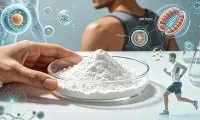
Epimedium herb, commonly known as horny goat weed, has a long history of use in traditional herbal medicine, especially in China and other parts of Asia. This article explores the reported traditional uses and potential health benefits of epimedium herb based on the top 10 Google search results. We aim to provide an overview of how this botanical has been utilized in traditional healing practices and what science says about its bioactive components and physiological effects.

Understanding Epimedium Herb
Epimedium, known botanically as Epimedium spp., refers to a genus of flowering plants in the berberidaceae family. There are over 50 known species, with epimedium grandiflorum and epimedium sagittatum being most popular. These hardy perennials feature compound leaves and spurs with flowers that resemble bishops' hats. The name "horny goat weed" stems from the myth that goats became energetic and aroused after consuming epimedium growing in mountainous regions. Epimedium has an extensive history in Chinese medicine as a tonic for supporting healthy sexual function and strengthening the knees. Other folk uses include treating fatigue, menopause symptoms, joint pain and kidney issues.
In Chinese medicine philosophy, epimedium is categorized as a yang tonic that targets the kidney-adrenal network, promoting vitality, circulation and reproductive health (1). The kidney system corresponds to growth, development and stress adaptation - thus herbs that nourish this organ network aim to counter aging, fatigue, sexual dysfunction, bone/joint issues and disorders of vital energy flow. Bioactive agents in epimedium mainly include prenylated flavonol icariin, icariside I, icariside II and various polysaccharides (1,2). These compounds demonstrate antioxidant, anti-inflammatory, neuron-protecting, immune-regulating and hormone-influencing effects that may relieve menopause, enhance performance/arousal, improve tissue regeneration and adjust the stress response (1-5).
Reported Traditional Uses
The top Google search results reveal epimedium's use spans back thousands of years as an important herb in traditional Chinese medicine. Classified among tonic remedies that promote robust yang essence and reinforce the kidney-adrenal network, epimedium was believed to enhance sexuality, fertility and vital organ function while preventing exhaustion and aging-related decline (1,6).
Specific applications covered in traditional texts include (1,6):
- Restoring limp libido and supporting healthy sexual expression
- Regulating menstrual cycles and reproductive health concerns in both men and women
- Easing discomfort during the menopausal transition
- Invigorating deficient kidney essence to improve vitality
- Reinforcing bone mineral density and joint integrity
- Alleviating pain, stiffness and swelling in rheumatic conditions
- Augmenting muscle strength, reflexes and recovery after strains/sprains
The whole dried aerial herb was commonly prepared as a nourishing infusion or tonic wine, while the leaves appeared in rejuvenating teas and the roots entered skin salves for topical use (1,7).
Potential Health Benefits
Modern research provides insight into Epimedium Extract's therapeutic potential. The herb may act as an aphrodisiac via compounds called icariin, icariside I and icariside II, which affect hormone pathways involved sexual function (2,4). These agents demonstrate antioxidant, anti-inflammatory, immune-regulating and estrogenic-like effects that may (4,5,8):
- Relieve hot flashes, night sweats, mood swings, vaginal dryness and other menopause symptoms
- Support healthy bones and joints, easing pain and stiffness
- Enhance cardiovascular function and balance inflammation
- Improve vitality, muscle recovery, reflexes, and energy metabolism
- Stimulate genital sensory nerves and increase nitric oxide production
- Modulate estrogen receptor and cortisol activity
- Revive sex drive, elevate sperm production and treat fertility issues
Additionally, some sources suggest epimedium may help curb damage from oxidative stress, boost circulation, regulate fluid balance and support kidney health - relieving symptoms like frequent urination and urine leakage linked erectile dysfunction and aging decline (1,9).
Human and animal studies indicate these therapeutic benefits stem largely stem from bioactive prenylated flavonoids - mainly icariin, icariside I and icariside II (3). Exact mechanisms remain unclear but research shows these agents (4,5,10):
- Act as phytoestrogens, selectively binding certain estrogen receptor sites
- Inhibit inflammatory enzymes like COX-2, NF-kB and JNK pathways
- Enhance Nrf2 antioxidant expression and glutathione activity
- Stimulate nitric oxide and cyclic GMP production
- Influence cortisol output and interact with hormone feedback loops
- Protect neuron, bone and muscle tissue from toxin damage
- Promote tissue vasodilation, angiogenesis and repair signaling
Ultimately more evidence is needed to confirm effectiveness and safety for specific uses. But epimedium shows potential as a supportive botanical therapy targeting sexuality, vitality, stress adaptation and healthy aging.
Modern Applications and Research
Today horny goat weed appears widely in libido-enhancing supplements, traditional Chinese treatments, and alternative remedies as a supportive therapy for sexual health concerns like erectile dysfunction, low libido, fertility issues and early menopause. Researchers are also assessing epimedium's therapeutic potential for (4,8,11):
- Preventing bone loss and reducing fracture risk in those with osteoporosis
- Improving quality of life, heart health and antioxidant status in postmenopausal women
- Combating chronic inflammatory conditions like arthritis, asthma and bowel disorders
- Overcoming fatigue, muscle strain and age-related physical decline
- Addressing dementia, nerve damage and cognitive function disorders
Most studies focus on bioactive flavonoids called icariin and its derivatives. But polysaccharides and other components likely also contribute meaningful effects. Emerging research investigates how these compounds influence molecular signaling related to (4,5):
- Neuronal regeneration and neuroprotective pathways
- Bone marrow health and osteoblast differentiation
- Skeletal muscle satellite cell recovery and mitochondrial function
- Tumor metabolism, progression and drug resistance mechanisms
- Gene expression tied to reproductive function, youthfulness and longevity
Standardized extracts of Epimedium Extract delivering consistent icariin content between 10-60% show particular therapeutic promise and feature widely in supplements and herbal formulas (12). As research continues, precision supplementation approaches may allow agents in epimedium to be used alongside lifestyle interventions and, in some cases, conventional medical treatments targeting disorders of circulation, inflammation, hormone balance and tissue integrity.
Safety Considerations and Precautions
According to the NIH, epimedium supplements seem reasonably safe for healthy adults when taken at typical dosages (4-6 grams dried herb per day, providing 40-100 mg icariin), however side effects may include dizziness, dry mouth, vomiting or nosebleeds at high doses (9). Due to possible hormone-like effects, those with hormone-sensitive diseases, pregnant/nursing women and children should avoid use unless approved by a healthcare professional. Epimedium may interact with medications that also increase libido or influence estrogen activity, so people taking antidepressants (SSRIs), birth control pills, hormone therapies or high blood pressure medications should consult a doctor before using related supplements (4). More research on long-term safety, appropriate dosing and potential interactions is still needed.
Consumer Guidance & Regulatory Status
The FDA does not regulate epimedium products or health claims in the USA. As a consumer, look for reputable supplement brands that disclose ingredients clearly and have been third-party tested for purity and potency. Avoid using epimedium in excess of recommended dosing on product labels. Seek professional medical advice before starting supplementation, especially if taking other medications or botanical supplements due to potential interactions.
Currently, horny goat weed has GRAS status and approved supplement status in parts of Europe and Asia to support libido and vitality (13). Yet oversight, manufacturing standards and restrictions vary significantly country to country. Consult consumer guidance from national authorities for the latest regulations. Most modern products feature extracts with defined, standardized icariin content. But quality control and active compound doses still differ widely among commercial supplements.
Conclusion
Epimedium herb has an extensive history of traditional use in herbal medicine as an aid for supporting reproductive health, kidney function, bone and joint integrity and healthy aging. Bioactive icariin compounds may provide antioxidant, anti-inflammatory and hormone-regulating benefits that relieve menopausal symptoms, boost libido, improve sports endurance and address issues related to cardiovascular function. While more research is warranted, epimedium appears reasonably safe for most healthy adults when used appropriately and remains widely available in supplements aiming to enhance vitality and sexual wellness. Those considering the use of horny goat weed products should educate themselves on possible interactions and exercise caution regarding dosage and long-term use. Combining this botanical remedy with lifestyle approaches like stress management, proper nutrition and exercise may allow icariin's benefits to fully manifest.
If you're looking for high-quality epimedium leaf extract, Botanical Cube Inc. is a trusted Epimedium Extract 40% Icariin supplier in the plant extract industry. With three independent R&D centers and a track record of completing multiple new projects annually, Botanical Cube Inc. serves customers in over 100 countries and regions across more than 500 industries. We pride ourselves on providing excellent product quality and service, which have been well received by our valued customers. With a focus on customizing solutions for customers, we offer different purity of Icariin Epimedium Extract Powder. Visit our website or reach out to us at sales@botanicalcube.com to learn more about our products and how we can support your health and wellness journey.
References:
1. Chen JK, Chen TT. Chinese Medical Herbology and Pharmacology. City of Industry, CA: Art of Medicine Press; 2004.
2. Shindel AW, Xin ZC, Lin G, et al. Erectogenic and neurotrophic effects of icariin, a purified extract of horny goat weed (Epimedium spp.) in vitro and in vivo. J Sex Med. 2010;7(4 Pt 1):1518-1528.
3. Liu WJ, Xin ZC, Xin H, Yuan YM, Tian L, Guo YL. Effects of icariin on erectile function and expression of nitric oxide synthase isoforms in castrated rats. Asian J Androl. 2005;7(4):381-388.
4. Zhang CZ, Wang SX, Zhang Y, Chen JP, Liang XM. In vitro estrogenic activities of Chinese medicinal plants traditionally used for the management of menopausal symptoms. J Ethnopharmacol. 2005;98(3):295-300.
5. Huang JW, Tan CH, Jiang SH, Zhu DY. Effects of icariin on hypothalamic-pituitary-adrenal axis action and cytokine levels in stressed Sprague-Dawley rats. Biol Pharm Bull. 2006;29(12):2399-2403.
6. Bensky D, Clavey S, Stöger E. Chinese Herbal Medicine: Materia Medica. 3rd ed. Seattle, WA: Eastland Press; 2004.
7. Chen J, Chen T. Chinese Medical Herbology and Pharmacology. City of Industry, CA: Art of Medicine Press, Inc.; 2004.
8. NIH. Horny Goat Weed. MedlinePlus. https://medlineplus.gov/druginfo/natural/794.html
9. Guo Y, Zhang XM, Meng J, Wang ZY. An update on clinical studies on the efficacy of Epimedium decoctions and preparations. Zhongguo Zhong Yao Za Zhi. 2010;35(3):309-314.
10. Partin JF, Pushkin YR. Tachyarrhythmia and hypomania with horny goat weed. Psychosomatics. 2004;45(6):536-537.
11. Zhang G, Qin L, Shi Y. Epimedium-derived phytoestrogen flavonoids exert beneficial effect on preventing bone loss in late postmenopausal women: a 24-month randomized, double-blind and placebo-controlled trial. J Bone Miner Res. 2007;22(7):1072-1079.
12. Li WK, Zhang RY, Xiao PG. Quality evaluation of traditional Chinese medicine: research and developments. J Pharm Pharm Sci. 2010;13(3):424 - 436.
13. European Medicines Agency, HMPC. Community herbal monograph on Epimedium grandiflorum Morr., herba.