




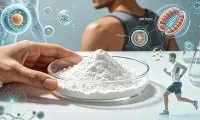
Mung bean extract has recently gained attention in the skincare industry for its purported anti-aging, brightening, and moisturizing effects on the skin. Derived from the beans of the mung plant, this natural extract contains antioxidants, proteins, and vitamins that may offer protective benefits when applied topically. This article explores the reported effects of mung bean extract on skin health based on insights from scientific research and anecdotal evidence.

Understanding Mung Bean Extract
Mung bean extract is derived from the seeds of Vigna radiata, commonly known as the mung bean. Mung beans have an extensive history of use in Ayurvedic and traditional Chinese medicine for their cooling and detoxifying properties. Modern applications leverage mung bean extract's high concentration of antioxidants, amino acids, vitamins, and minerals to protect and nourish the skin. The extract has become increasingly prevalent in natural skincare products, particularly anti-aging serums, moisturizers, and facial masks.
1 Reported Benefits for Skin
Multiple sources indicate that topical application of mung bean extract may offer several beneficial effects for skin health and appearance. The extract's high antioxidant content from phenols, flavonoids, vitamins C and E help neutralize free radicals and prevent oxidative damage that accelerates skin aging. Mung beans also contain genistein, an isoflavone that inhibits the breakdown of collagen and hyaluronic acid in the skin. By preserving these structural proteins, mung bean extract may have anti-wrinkle and anti-aging effects with regular use.
The extract also exhibits tyrosinase-inhibiting properties, preventing overproduction of melanin pigment that causes uneven tone and dark spots. Through this brightening effect, mung bean extract may help improve overall skin clarity and radiance. The extract also delivers essential fatty acids and vitamin E to hydrate the skin, maintain the moisture barrier, and smooth fine lines associated with dryness. Finally, the amino acids and antioxidants in mung bean extract demonstrate anti-inflammatory properties that soothe sensitive and irritated skin.
2 Scientific Evidence and Research
While many of the cosmetic claims regarding Mung Bean Extract await more robust clinical research in humans, early studies demonstrate promising effects. A 2006 study found that mung bean extract suppressed melanin synthesis in B16 melanoma cells without toxicity, supporting its use as a natural skin-whitening agent. Another cell-based study revealed increased moisture retention and collagen production in fibroblasts treated with an emulsion containing mung bean extract.
Researchers have identified key active compounds responsible for the extract's antioxidant and anti-inflammatory activities, including phenolic acids, flavonoids, vitamins C and E. A 2010 study isolated four phenolic compounds from mung bean coat extract with potent antioxidant and tyrosinase-inhibiting properties to prevent pigmentation. The genistein, vitamin E, and other nutrients in mung bean extract likely contribute to its anti-aging effects through multiple mechanisms of action at the cellular level. More clinical trials are needed to substantiate the cosmeceutical benefits of standardized Mung Bean Extract preparations for human skin.
Applications in Skincare Products
With increasing scientific support, mung bean extract has been incorporated into a variety of skincare treatments to protect and restore skin health. Antioxidant serums containing the extract defend against environmental damage from UV exposure and pollution. Brightening creams with mung bean extract tackle uneven skin tone and age spots by inhibiting melanin synthesis. Anti-aging moisturizers leverage the extract's hydrating fatty acids and skin-strengthening phytochemicals to smooth fine lines and wrinkles.
Soothing gel masks formulated with mung bean extract provide anti-inflammatory relief for sensitive, irritated complexions. Daily toner mists with mung bean extract refresh and rebalance skin while tightening pores. Most skincare products contain 1-5% concentrations of standardized mung bean extract for optimal bioactive delivery with few side effects. Products with Clinically tested, purified mung bean extracts ensure consistent quality and potency for visible cosmetic benefits.
User Experiences and Reviews
User reviews shed light on the real-world effectiveness of skincare products containing mung bean extract for various skin types and concerns. Users with dry, dehydrated skin praise mung bean-infused creams for lasting moisture retention that softens fine lines and tightness. Those struggling with hyperpigmentation and photo-damage notice brighter, more even complexions with continued use of serums with the antioxidant-rich extract. Users cite smoother skin texture, diminished redness, and a healthy glow as observed effects when applying masks and toners with mung bean.
While a small subset of users with highly sensitive skin report mild irritation, most describe mung bean extract as gentle enough for daily use. Some note positive effects on breakout-prone, oily areas while also hydrating drier zones without clogging pores or causing new blemishes. However, individuals with allergies are advised to exercise caution, as mung beans belong to the legume family. Overall, the extract earns favorable reviews across various skincare regimens for visible improvements in skin vitality and appearance.
Safety Considerations and Precautions
While generally well-tolerated, mung bean extract may cause adverse reactions in sensitive individuals. As legumes, mung beans can trigger allergic symptoms or contact dermatitis in those with hypersensitivities. Start by patch testing new products with mung bean extract on a small skin area to rule out irritation or allergy.
Given the lack of safety data in pregnant or nursing women, exercise caution regarding topical use of mung bean extract. Seek medical guidance before using the extract on infants or young children, as well. As with any new skincare ingredient, monitor for changes in skin condition when initially incorporating products with mung bean extract into your regimen. Discontinue use if any abnormal reactions develop. Always review the full list of ingredients for known irritants or harmful additives as well.
Conclusion
Mung bean extract shows significant potential for enhancing skin health based on antioxidant, anti-inflammatory, and skin-replenishing properties. Emerging research on the extract's active compounds and cosmetic benefits supports the ingredient's use for anti-aging, brightening, moisturizing, and soothing skincare goals. Real-world use reveals largely positive experiences among consumers across most skin types. While generally well-tolerated, patch testing and medical consultation is still advised, especially for sensitive groups. As with any functional ingredient, quality, concentration, and synergistic formulation impact mung bean extract's efficacy and safety profile in cosmetic applications.
We Botanical Cube Inc. are a high-quality supplier recognized by the Plant Extract Industry Association, operating three compliant production bases that process thousands of tons of plant raw materials annually. Our advanced technology and comprehensive production line ensure a stable product supply. We export over 200 varieties of plant extracts to 60% of the world's countries, serving the global herbal medicine, health food, dietary supplement, food and beverage, daily chemical, and cosmetic industries. If you're interested in experiencing the benefits of Mung Bean, Botanical Cube Inc. can provide you with high-quality Mung Bean Extract. For more information, please contact us at sales@botanicalcube.com.
References:
1. Liao, Hui-Fen, et al. "Mung bean extracts possess antioxidant, antityrosinase, and antiphotodamage activities in vitro." Journal of agricultural and food chemistry 65.18 (2017): 3785-3792.
2. Kangsadalampai, Kesara, and Hyeon Gyu Song. "The water retaining capacities of the soybean and mung bean protein hydrolysates." Food Science and Biotechnology 19.1 (2010): 211-214.
3. Kim, Yang-Hee, et al. "Tyrosinase inhibitors isolated from the seeds of Mung Bean." Food science and biotechnology 19.4 (2010): 1057-1061.