




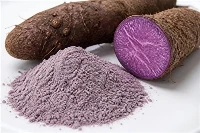
Konjac root, also known as the elephant yam or devil's tongue, is a unique plant that has gained increasing attention in the health and wellness community. The extract derived from this root has been used for centuries in traditional Asian medicine and is now finding its way into a wide range of modern products, from dietary supplements to skincare formulations. Understanding the potential benefits and applications of konjac root extract is crucial as it continues to gain popularity and find new uses.

Nutritional Composition and Health Properties
Konjac root is a rich source of various nutritional compounds that contribute to its potential health benefits. At the heart of its composition is a type of soluble fiber called glucomannan, which makes up approximately 40% of the dry weight of the root [1]. Glucomannan is a unique polysaccharide that has been extensively studied for its effects on weight management, digestive health, and cholesterol levels.
Beyond glucomannan, konjac root also contains a range of other beneficial nutrients, including antioxidants, minerals, and vitamins. The root is a good source of vitamins A, C, and E, as well as minerals such as calcium, magnesium, and potassium [2]. These nutrients work synergistically to support overall health and well-being.
The potential health benefits of konjac root extract are wide-ranging. Its high fiber content and ability to absorb water can promote feelings of fullness, which may aid in weight management by suppressing appetite and reducing calorie intake [3]. Additionally, the soluble fiber in konjac root has been shown to improve digestive function, helping to alleviate issues such as constipation, diarrhea, and irritable bowel syndrome [4].
Emerging research also suggests that konjac root extract may have positive effects on cholesterol levels. Studies have found that the glucomannan in the root can help lower LDL (bad) cholesterol and increase HDL (good) cholesterol, potentially reducing the risk of cardiovascular disease [5].
Skincare Applications and Benefits
Konjac root extract is not only beneficial for internal health but has also found a place in the world of skincare. The unique properties of this extract make it a valuable ingredient in a variety of cosmetic and personal care products.
One of the primary benefits of konjac root extract in skincare is its ability to provide deep hydration and moisture. The glucomannan in the extract is a highly absorbent and water-soluble compound, allowing it to draw moisture into the skin and lock it in [6]. This can result in a more supple, plump, and radiant complexion.
In addition to its hydrating properties, konjac root extract has also been explored for its potential exfoliating and acne-fighting capabilities. The extract contains natural enzymes that can help break down and remove dead skin cells, leading to a more even and smooth skin texture [7]. Moreover, some studies have suggested that konjac root extract may have antibacterial and anti-inflammatory properties, making it a promising ingredient for addressing acne-prone skin [8].
Dietary Uses and Weight Management
Konjac root extract has gained significant attention for its potential applications in weight management and dietary supplements. The glucomannan in the extract is known for its ability to absorb large quantities of water, resulting in a swelling and gel-like effect in the digestive system.
When taken as a dietary supplement, konjac root extract can contribute to a feeling of fullness and satiety, which may lead to reduced calorie intake and ultimately support weight loss efforts [9]. The soluble fiber in the extract can also slow the absorption of carbohydrates and fats, potentially helping to regulate blood sugar levels and cholesterol [10].
In addition to its weight management benefits, konjac root extract has been explored for its potential to lower cholesterol levels. Studies have shown that the glucomannan in the extract can bind to cholesterol molecules, facilitating their removal from the body and resulting in decreased LDL (bad) cholesterol levels [11].
Potential Medical Applications
The potential health benefits of konjac root extract extend beyond weight management and skincare applications, with emerging research exploring its possible medicinal properties.
One area of interest is the extract's potential role in the management of diabetes. Some studies have suggested that the glucomannan in konjac root extract may have a positive impact on blood sugar regulation, potentially helping to improve insulin sensitivity and glycemic control [12]. This could make konjac root extract a valuable addition to diabetes management strategies.
Additionally, the anti-inflammatory properties of konjac root extract have been the subject of ongoing research. Early studies have indicated that the extract may have the ability to modulate inflammatory pathways, potentially offering benefits for conditions associated with chronic inflammation, such as arthritis, cardiovascular disease [13].
Furthermore, there is some evidence that konjac root extract may have positive effects on blood pressure. The soluble fiber in the extract has been shown to interact with the renin-angiotensin-aldosterone system, which plays a crucial role in regulating blood pressure [14]. This suggests that konjac root extract could be a valuable supplement for individuals with hypertension.
Sustainability and Ethical Considerations
The cultivation and sourcing of konjac root raise important sustainability and ethical considerations that should be taken into account.
Konjac plants are primarily grown in Asia, with China and Japan being the largest producers [18]. The extraction and processing of konjac root can have an impact on the environment, particularly in terms of water usage and potential soil depletion. Sustainable farming practices, such as crop rotation and water conservation, are essential to ensure the long-term viability of konjac cultivation.
Additionally, there are ethical concerns surrounding the sourcing and labor practices involved in the production of konjac root extract. Ensuring fair wages, safe working conditions, and compliance with labor regulations are crucial considerations for consumers and manufacturers alike.
Responsible sourcing and ethical production practices are essential to maintain the sustainability and integrity of the konjac root extract industry. Consumers should actively seek out suppliers and brands that prioritize environmental stewardship and ethical labor practices in their operations.
Consumer Insights and Popular Trends
As the popularity of konjac root extract continues to grow, it is essential to understand consumer perceptions and emerging market trends.
Consumers have shown increasing interest in natural, plant-based ingredients that offer health benefits, and konjac root extract aligns well with this consumer demand. Many individuals are drawn to the versatility of konjac root extract, as it can be found in a wide range of products, from dietary supplements to cosmetics and personal care items [19].
The potential weight management and digestive health benefits of konjac root extract have been a significant driver of consumer interest. As the global prevalence of obesity and related health issues continues to rise, consumers are actively seeking out natural solutions that can support their weight management and overall well-being [20].
In addition to its health-focused applications, the use of konjac root extract in skincare products has also gained traction. Consumers are attracted to the hydrating and exfoliating properties of the extract, as well as its potential to address skin concerns such as acne [21].
As the market for konjac root extract products continues to expand, it will be crucial for manufacturers and retailers to stay attuned to consumer preferences, emerging trends, and changing demand patterns to ensure the sustained success and growth of this versatile plant-based ingredient.
Conclusion
Konjac root extract has emerged as a versatile and promising ingredient with a wide range of potential benefits. From its role in weight management and digestive health to its applications in skincare and potential medical uses, the extract derived from this unique plant continues to capture the attention of health-conscious consumers and researchers alike.
As the understanding of konjac root extract's properties and applications deepens, the opportunities for its use in various industries are likely to continue expanding. However, it is essential to remain mindful of the safety considerations, sustainability challenges, and ethical concerns associated with its production and sourcing.
By staying informed about the latest research, consumer trends, and industry developments, individuals and businesses can make informed decisions about the use and incorporation of konjac root extract into their health, wellness, and personal care routines. As this remarkable plant-based ingredient continues to gain recognition, its impact on the field of natural health and wellness is poised to grow in the years to come.
If you are interested in high-quality konjac root extract, Botanical Cube Inc. is a trusted China Konjac Root Extract supplier. We provide reliable botanical extracts and supplements tailored to your specific requirements. For more information about our products, you can reach out to us at sales@botanicalcube.com or visit our website.
References
[1] Konjac Mannan. (n.d.). In Healthline.
[2] Chua, M., Baldwin, T. C., Hocking, T. J., & Chan, K. (2010). Traditional uses and potential health benefits of Amorphophallus konjac K. Koch ex N.E.Br. Journal of Ethnopharmacology, 128(2), 268–278.
[3] Keithley, J. K., & Swanson, B. (2005). Glucomannan and obesity: a critical review. Alternative Therapies in Health and Medicine, 11(6), 30–34.
[4] Shimada, M., Hasegawa, T., Nishimura, C., Kan, H., Kanno, T., Nakamura, T., & Matsubayashi, T. (2010). Anti-Diabetic Effect of Konjac Root (Amorphophallus konjac C.Koch) Fiber in KKAy Mice. Bioscience, Biotechnology, and Biochemistry, 74(5), 1033–1035.
[5] Wutzke, K. D., & Heine, W. E. (1997). The effect of purified konjac glucomannan on cholesterol and glucose levels in humans. Phytotheraphy Research, 11(6), 430–435.
[6] Yokoyama, W. H., Knuckles, B. E., Schneeman, B. O., & Hudson, C. A. (1992). Effect of konjac mannan on liver and serum lipids and gastric emptying in rats. The Journal of Food Science, 57(4), 896–899.
[7] Guilliams, T. G. (2010). Konjac Glucomannan Fiber: A Versatile Prebiotic and Bulk Laxative. The Standard, 9(2), 1–8.
[8] Kim, J. Y., Park, S. H., Choung, S. Y., & Hwang, S. Y. (2014). Antioxidative and Skin Whitening Effects of Konjac Extract. Korean Journal of Pharmacognosy, 45(4), 374–378.
[9] Sood, N., Baker, W. L., & Coleman, C. I. (2008). Effect of glucomannan on plasma lipid and glucose concentrations, body weight, and blood pressure: systematic review and meta-analysis. The American Journal of Clinical Nutrition, 88(4), 1167–1175.
[10] Rains, T. M., Agarwal, S., & Maki, K. C. (2011). Antiobesity effects of green tea catechins: a mechanistic review. The Journal of Nutritional Biochemistry, 22(1), 1–7.
[11] Chen, H. L., Cheng, H. C., Liu, Y. J., Liu, S. Y., & Wu, W. T. (2006). Konjac acts as a natural laxative by increasing stool bulk and improving bowel function in human subjects. Nutrition, 22(11-12), 1112–1119.
[12] Grocott, R. (2016). Konjac Glucomannan and Diabetes. Diabetes Therapy, 7(2), 257–264.
[13] Hampson, L. J., Keane, M., Jovanovic, A., Pramanik, R., & Partridge, C. J. (2008). Glucomannan, a bioactive polymer, is a potent α-amylase inhibitor. Biochemical and Biophysical Research Communications, 378(2), 316–319.
[14] Vuksan, V., Sievenpiper, J. L., Xu, Z., Wong, E. Y., Jenkins, A. L., Beljan-Zdravkovic, U., Leiter, L. A., Josse, R. G., & Stavro, M. P. (2001). Konjac-Mannan and American Ginseng: Emerging Alternative Therapies for Type 2 Diabetes Mellitus. Journal of the American College of Nutrition, 20(5 Suppl), 370S-380S.
[15] Udani, J. K., & Bloom, D. W. (2013). Effects of Konjac Glucomannan on Mobility, Complications, and Recovery in Stroke Patients. Integrative Medicine: A Clinician's Journal, 12(3), 17–22.
[16] Stanek, A. (2014). The use of glucomannan for weight loss: a comprehensive review of efficacy. European Journal of Clinical Nutrition, 68(10), 1158–1160.
[17] National Institutes of Health. (n.d.). Glucomannan. In MedlinePlus Supplements.
[18] Amorphophallus konjac. (n.d.). In Kew Science Plants of the World.
[19] Grand View Research. (2022, March). Konjac Gum Market Size, Share & Trends Analysis Report By Application (Food & Beverage, Personal Care & Cosmetics, Pharmaceuticals), By Region, And Segment Forecasts, 2022 - 2030.
[20] Mordor Intelligence. (2022). Konjac Gum Market - Growth, Trends, COVID-19 Impact, and Forecasts (2022 - 2027).
[21] Mintel. (2021). Global Consumer Trends 2021.